Film Locations in the Mediterranean
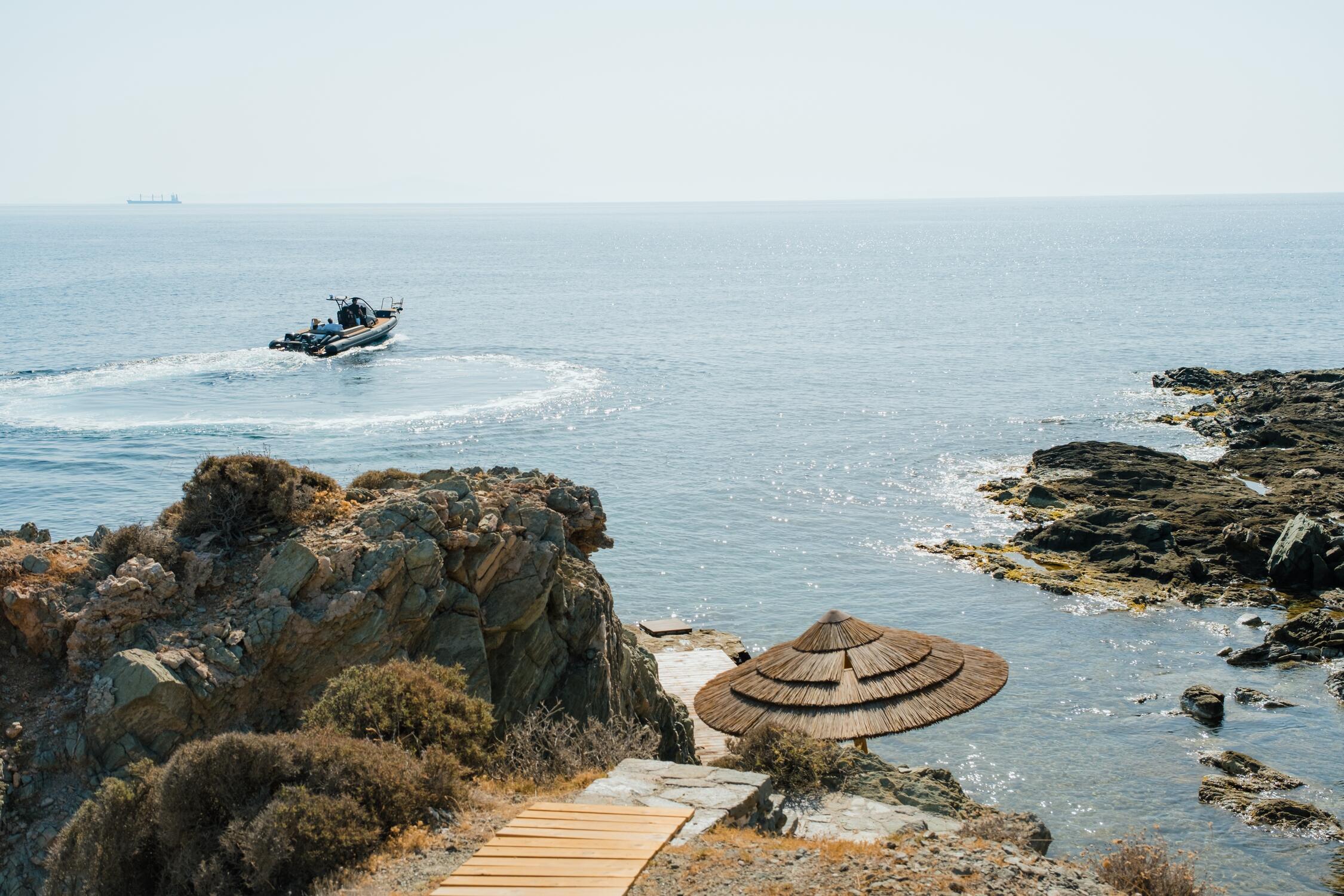
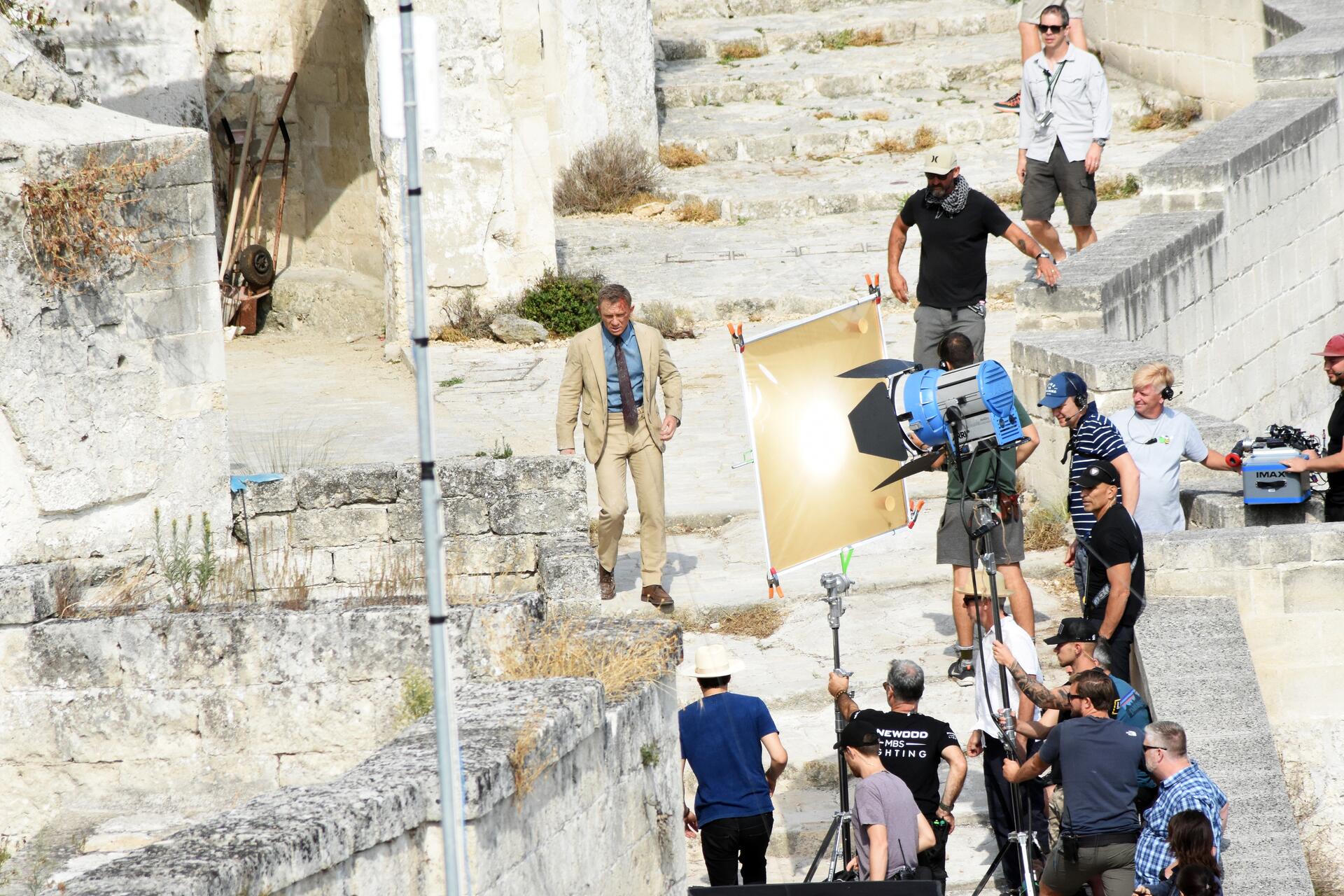
Daniel Craig in No Time to Die (2021) | Universal Pictures
James Bond Filming Locations in the Mediterranean
Few franchises have showcased Mediterranean glamour quite like James Bond. Over the decades, 007 has raced through historic cities, sped along coastal roads and retreated to spectacular seaside villas across Italy, Greece and the Mediterranean.
In our guide to James Bond filming locations, we explore the towns and dramatic landscapes that have played host to the world’s most famous spy.
From the 1970s to the present day, the James Bond series has returned again and again to our Mediterranean destinations. In The Spy Who Loved Me (1977), Sardinia’s dazzling Costa Smeralda provided the ultimate setting for 1970s jet-set sophistication, its turquoise waters and sleek marinas perfectly matching Roger Moore’s suave portrayal of 007. For Your Eyes Only (1981) brought Bond to Corfu, where dramatic cliffs and crystalline Ionian waters staged daring action sequences against breathtaking natural scenery.
Decades later, Quantum of Solace (2008) used Tuscany’s timeless landscapes to frame a darker, more intense chapter in Daniel Craig’s tenure. Several scenes: rooftop chases, safehouse struggles, and the city’s mediaeval horserace, the Palio, play out in and around Siena’s Piazza del Campo and the Palazzo Pubblico. Most recently, No Time to Die (2021) returned to southern Italy, with evocative scenes filmed in Puglia, Matera, and the coast of Calabria, where sun-bleached towns and ancient stone streets added romance and poignancy to Bond’s final outing.
The Durrells and the Beauty of Corfu
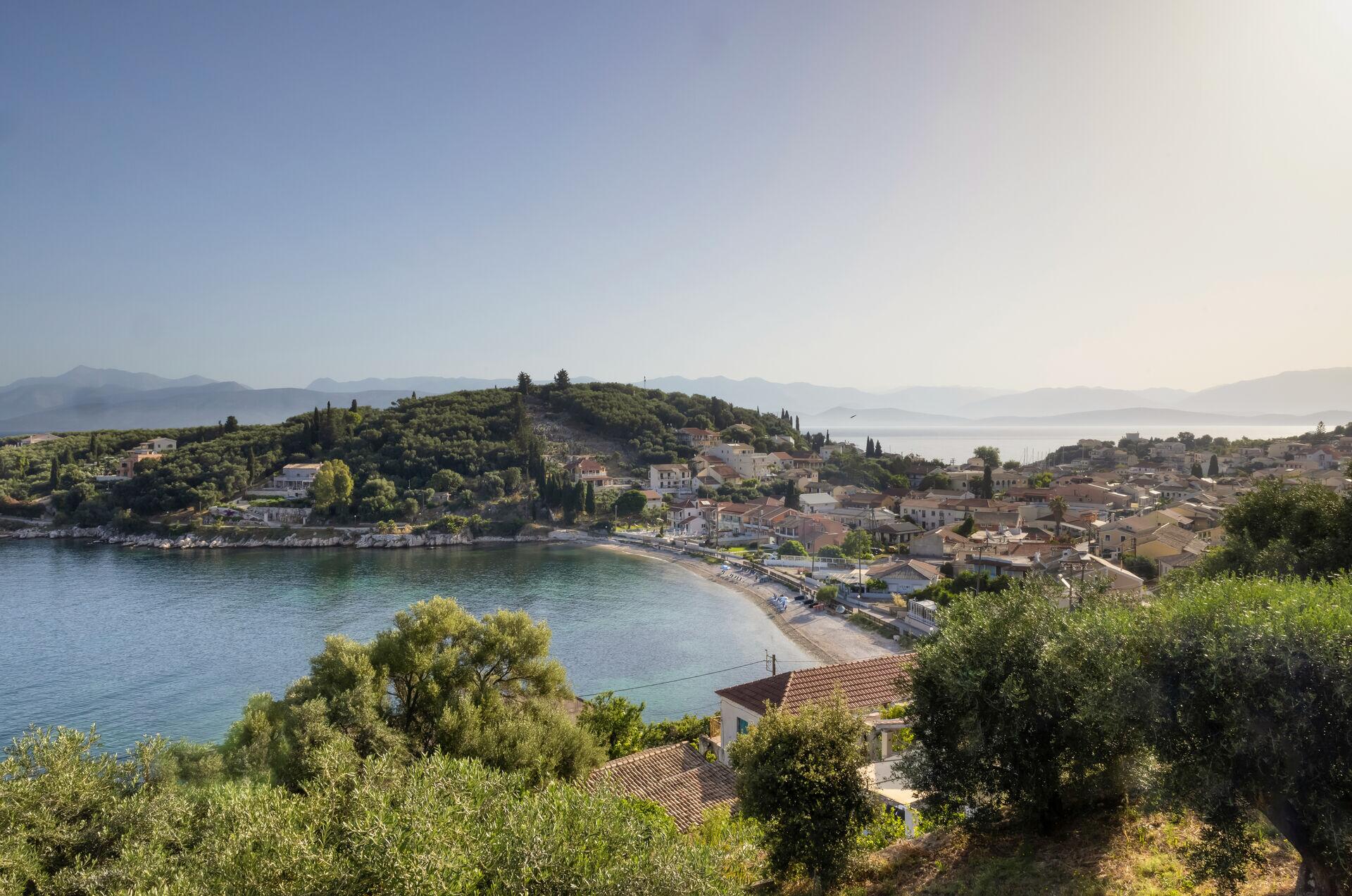
The Durrells brought Gerald Durrell’s memoirs to television, and it introduced a new generation to the lush landscapes of Corfu. The island’s olive groves, pastel villages and crystalline bays became central characters.
Corfu offers a rare combination of wild natural beauty and elegant heritage. Venetian fortresses guard historic harbours, cypress trees ripple in the breeze and quiet coves provide the perfect setting for slow, sun-soaked afternoons. It is easy to see why filmmakers, and travellers, fall in love with this Ionian gem.
Sicily and the Montalbano TV Series
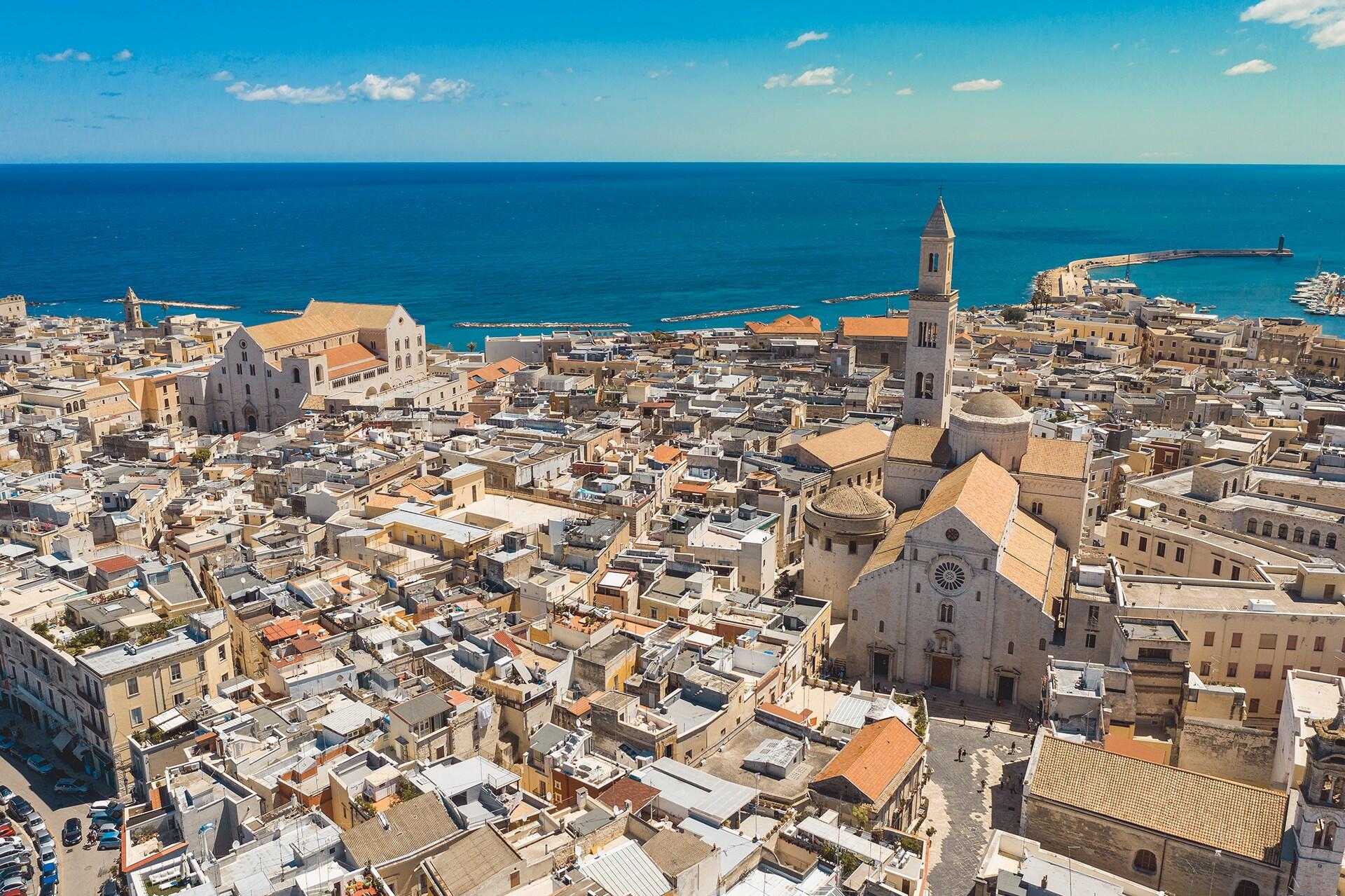
The long-running Inspector Montalbano series has become synonymous with Sicily’s sunlit towns and sweeping coastal views. Filmed across the island’s southeast, the show captures the warmth, drama and character of Sicilian life.
From the Baroque splendour of Ragusa and Modica to sandy beaches that seem to stretch endlessly into the horizon, this corner of Sicily offers an irresistible blend of culture and coastline. It is a place where mornings begin with espresso in a grand piazza and afternoons drift into golden-hour swims, a setting worthy of both detective drama and an unforgettable holiday.
Glass Onion and the Greek Islands
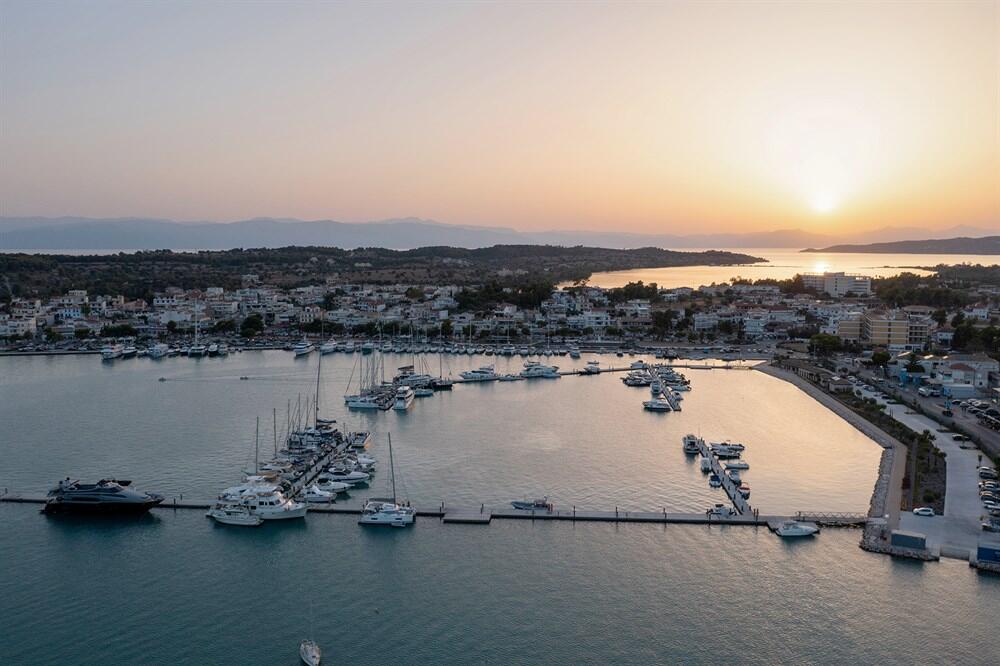
With its sun-drenched terraces and sparkling Aegean waters, Glass Onion brought contemporary glamour to the Greek islands. The film’s elegant aesthetic highlighted what travellers have long known: few places rival Greece for cinematic beauty.
Filmed in Spetses and Porto Heli, the whitewashed architecture, cobalt seas and secluded coves define this part of the Mediterranean. Of all the Greek islands, Spetses is somewhat of a hidden gem. With private automobiles being banned on the island, visitors may be whisked away by one of 8 taxis on the island and quickly immersed into the otherworldly wonder that dictates the cosmopolitan essence of the island. Head to the mainland, north of Spetses, and you’ll land in the perfect place for a luxurious holiday, Porto Heli. While you won’t find the iconic glass onion sculpture here, you may still recognise much of the architecture, as Miles Bron’s mansion is an actual estate near Porto Heli.
Taormina, Sicily
Films Set in the Mediterranean to Inspire Your Next Holiday
The Mediterranean has inspired countless directors, from sweeping epics to intimate romances. Our curated selection of films set across Italy, Greece and beyond showcases the diversity and allure of the region.
Sicily: Epic Storytelling and Timeless Landscapes
Sicily’s dramatic scenery and layered history have inspired generations of filmmakers. Most famously, The Godfather (1972) used Sicilian villages and countryside to create some of cinema’s most iconic scenes. The hilltop towns of Savoca and Forza d’Agrò stood in for Corleone, their stone churches and sweeping rural vistas shaping the visual identity of one of the greatest films ever made.
Sicily’s cinematic legacy extends far beyond the Corleone saga. In Cinema Paradiso (1988), the island’s nostalgic village life provides a tender, evocative backdrop to a story of memory, community and first love. Similarly, Il Postino (1994) showcases the beauty of Sicily’s coastline, where pastel-hued houses and expansive sea views frame an intimate story of friendship and longing.
Sicily’s faded aristocratic splendour was first immortalised in The Leopard (1963), directed by Luchino Visconti and adapted from the novel by Giuseppe Tomasi di Lampedusa. Filmed in Palermo and across the island’s grand palazzi and sun-bleached landscapes, the film captures the twilight of the Sicilian nobility during the Risorgimento with sweeping elegance and melancholy. In 2025, the story was reimagined for a new generation as a Netflix mini-series, released under its original Italian title, Il Gattopardo, reaffirming the enduring power of Sicily’s cinematic allure.
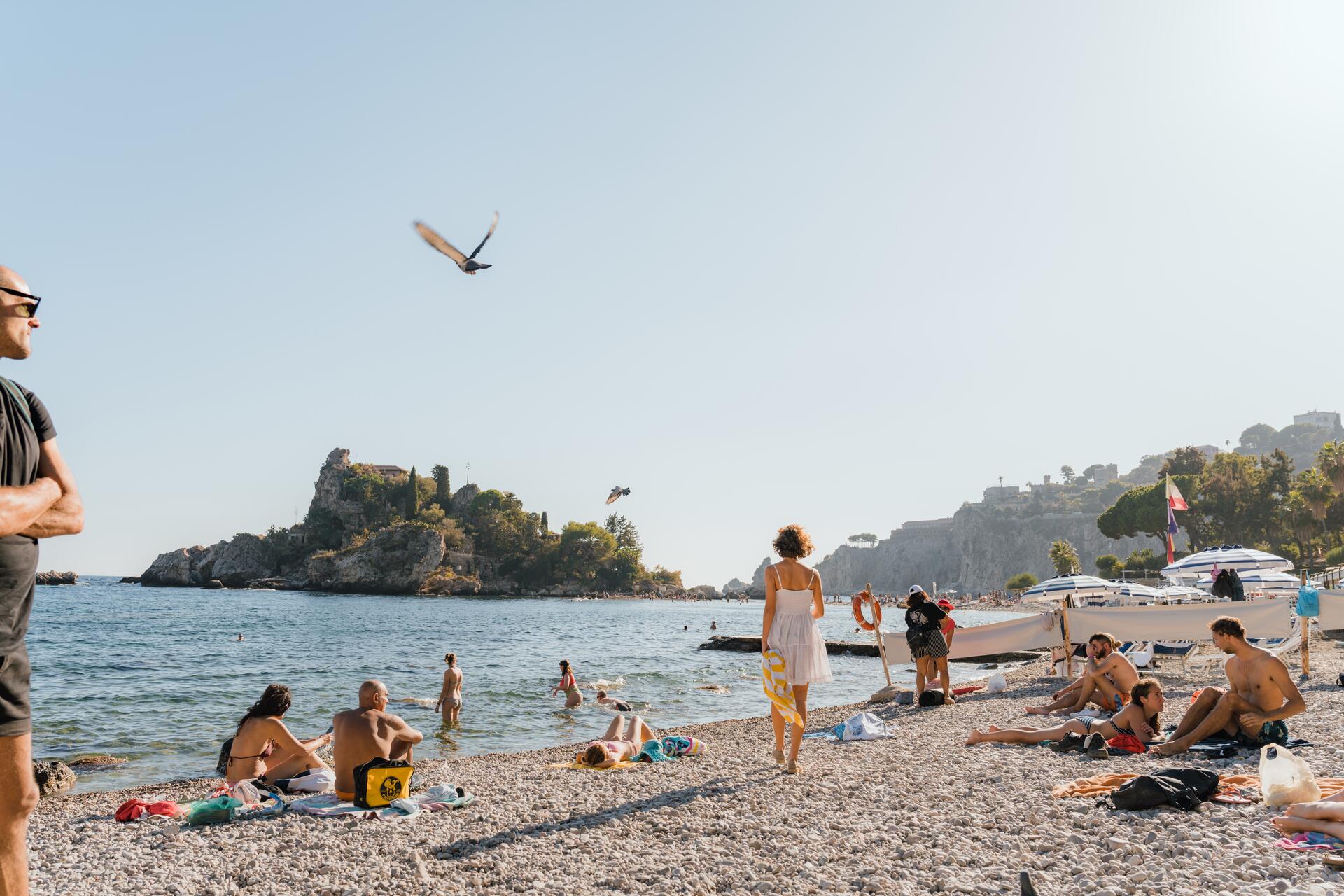
More recently, Sicily returned to the global spotlight with The White Lotus season 2 (2022), filmed in and around Taormina. The season centres on the iconic San Domenico Palace, perched high above the Ionian Sea, with Mount Etna smouldering in the distance. Taormina’s elegant terraces, dramatic coastline and crystalline waters provided the perfect backdrop to the series’ exploration of glamour, intrigue and sun-soaked excess.
Sicily offers a sensory richness unlike anywhere else in the Mediterranean. It is a destination that feels grand, passionate and deeply authentic, a place where every winding street tells a story.
Tuscany: Romance, Drama and Rolling Hills
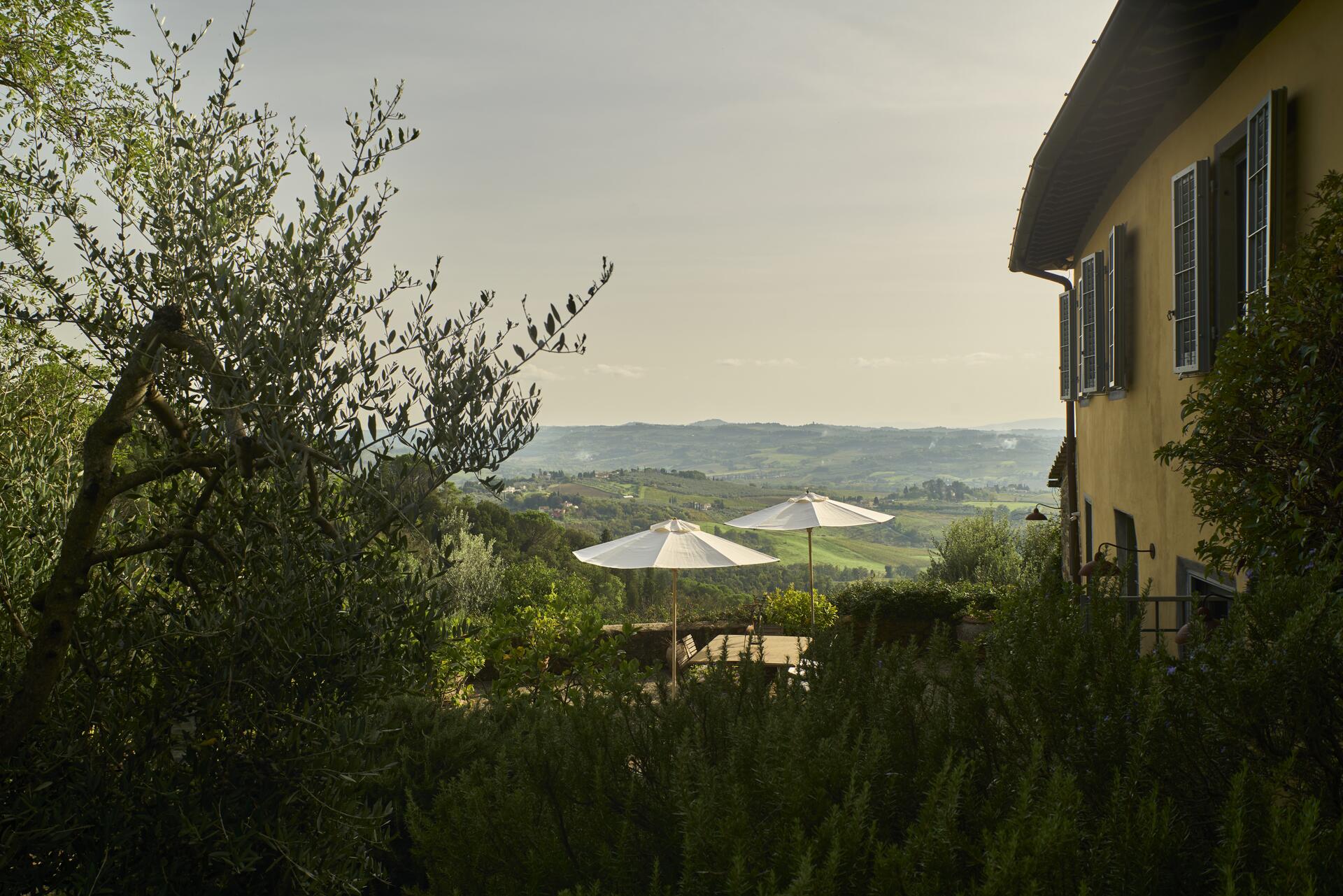
Few landscapes are as instantly recognisable as Tuscany’s undulating hills, vineyard-covered slopes and medieval hilltop towns.
In Jay Kelly (2025), Tuscany provides a backdrop of rustic elegance and sun-warmed beauty, while in Gladiator (2000), the cinematic countryside helped bring the ancient world to life. Several of the film’s opening scenes were filmed in the Val d’Orcia near Pienza, where cypress-lined ridges and golden fields create a landscape of timeless grandeur. Much Ado About Nothing (1993) also showcases the region’s charm, with its romantic villas and lush gardens enhancing the film’s enchanting atmosphere.
The English Patient's (1996) sweeping Italian scenes add depth and romance to an epic tale of love and loss, while, Life Is Beautiful (1997) balances poignancy with warmth, using the charm of an Italian provincial town and the rolling Tuscan landscape to frame a story of resilience, humanity and enduring love. A Room with a View (1985) captures Florence and the Tuscan countryside at their most luminous. Terracotta rooftops, fresco-filled churches and violet-tinged hills provided an unforgettable backdrop to a story of romance and self-discovery.
Tuscany is made for slow travel. Days unfold between vineyard visits and long lunches beneath pergolas heavy with wisteria. Golden light settles across cypress-lined roads in the evening. It is a setting that feels cinematic because it is deeply atmospheric, and it offers the perfect balance of culture, cuisine and countryside for a truly restorative holiday.
Cala Porto, Polignano a Mare, Puglia
Puglia: Sunlight, Sea and Southern Italian Charm
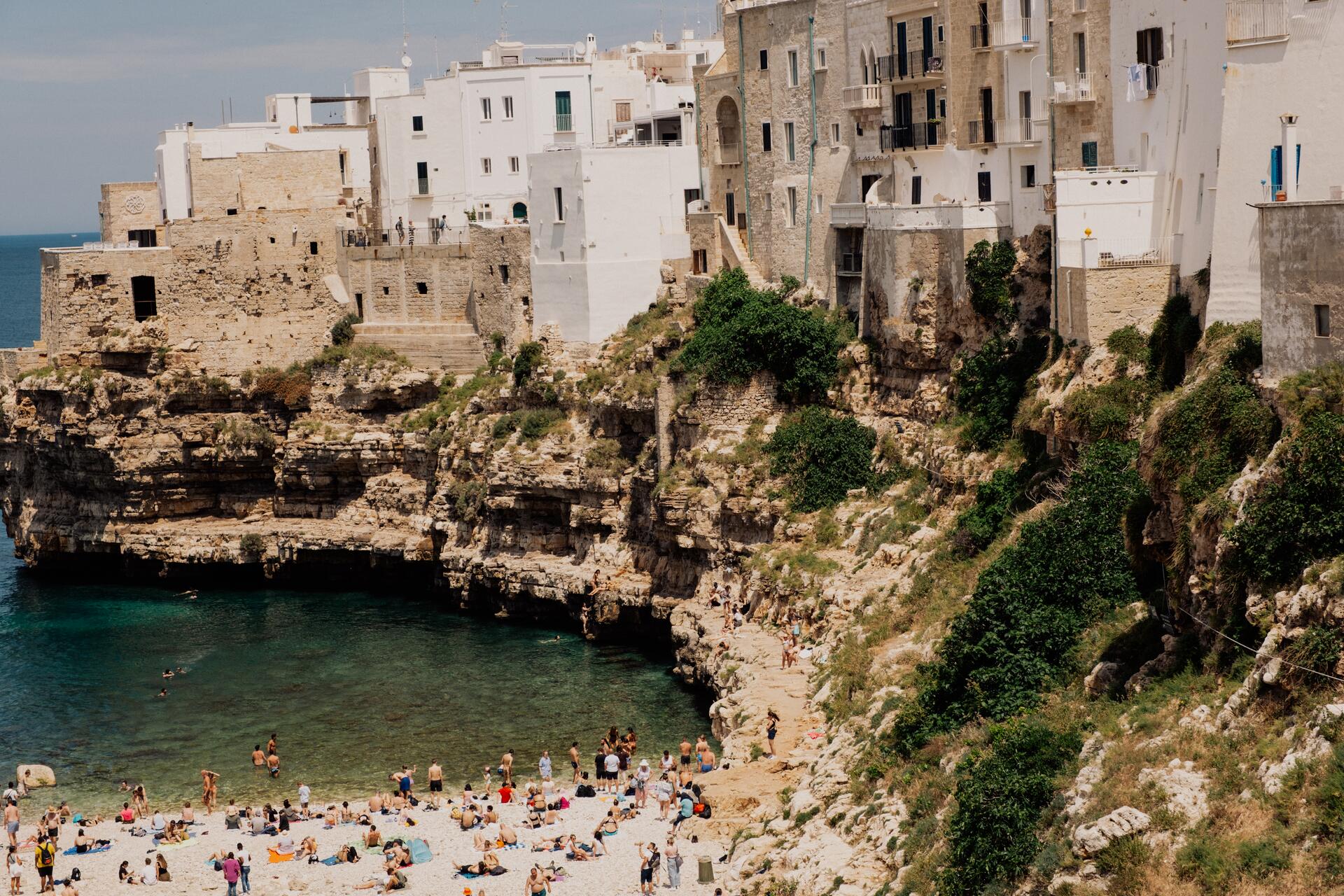
With its whitewashed towns, ancient olive groves and luminous Adriatic coastline, Puglia has become one of Italy’s most sought-after filming destinations.
The joyful musical Walking on Sunshine (2014) celebrates Puglia at its most radiant. Set against sun-soaked beaches and sparkling turquoise waters, the film captures the carefree spirit and vibrant energy of a southern Italian summer.
Puglia’s appeal lies in its authenticity. Baroque cities such as Lecce glow in the afternoon sun, traditional trulli dot the countryside and seafood is served just steps from the sea.
The Magic of the Greek Islands
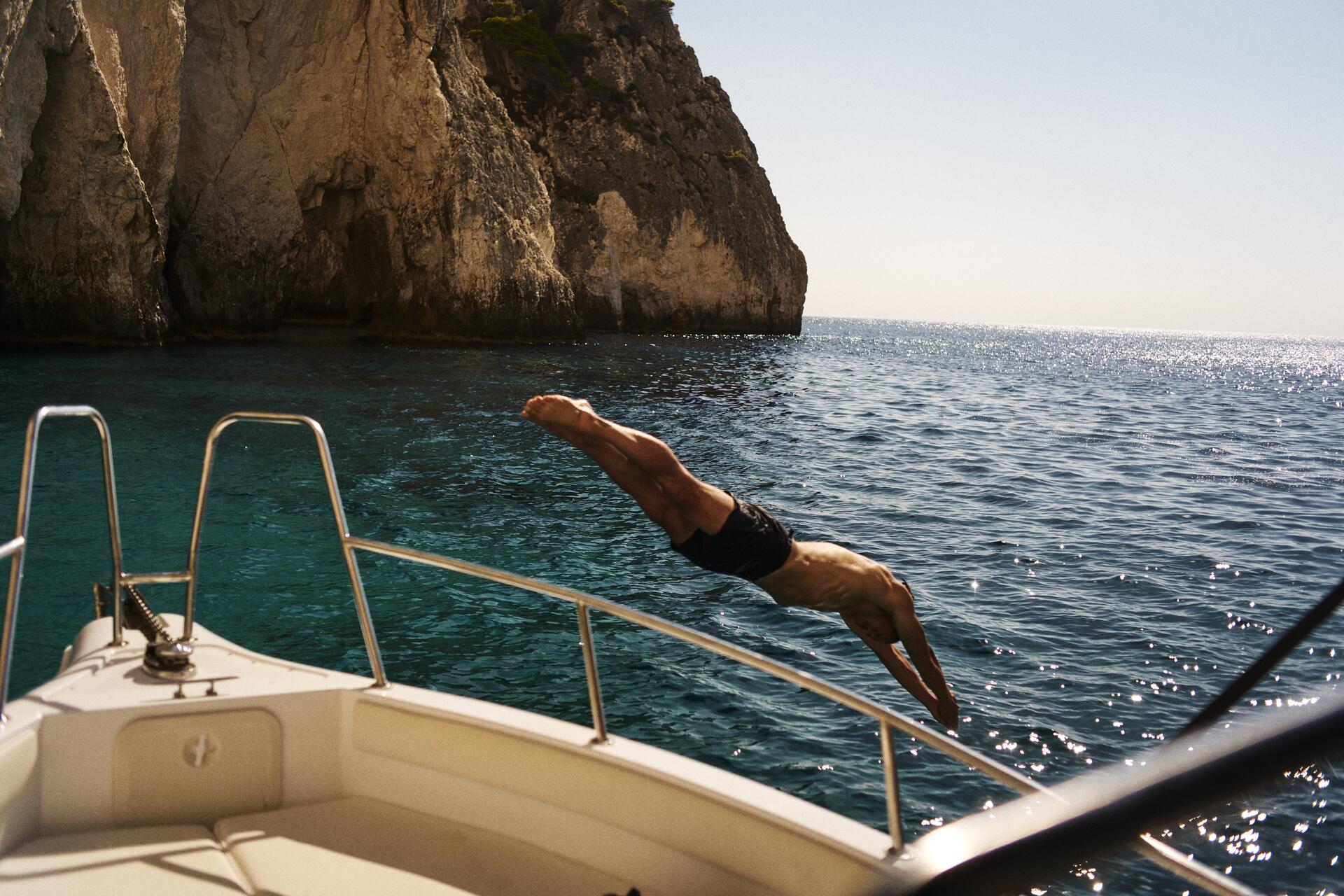
The island of Skopelos achieved global fame as the primary filming location for Mamma Mia! (2008). Its pine-clad hills, emerald waters and whitewashed chapels created one of the most joyful cinematic settings of recent decades. Shirley Valentine (1989), highlights how Mykonos, the renowned party island, also has a gentler and relaxed Mediterranean spirit, captured by the joy of reinvention and escape.
More recently, Greece also provided the evocative backdrop for The Lost Daughter (2021), adapted from a novel by Elena Ferrante, The Lost Daughter stars British actor Olivia Colman, and Irish actor Jessie Buckley. The fictional setting of Kyopeli is the idyllic island of Spetses, one of the Saronic Islands to the east of the Peloponnese.
Greece and its beautiful islands offer extraordinary swimming, traditional tavernas and a pace of life that invites you to slow down completely. Whether you arrive by boat or ferry, the first glimpse of the coastline is enough to understand why directors continue to return.
Corsica: Wild Beauty and Cinematic Drama
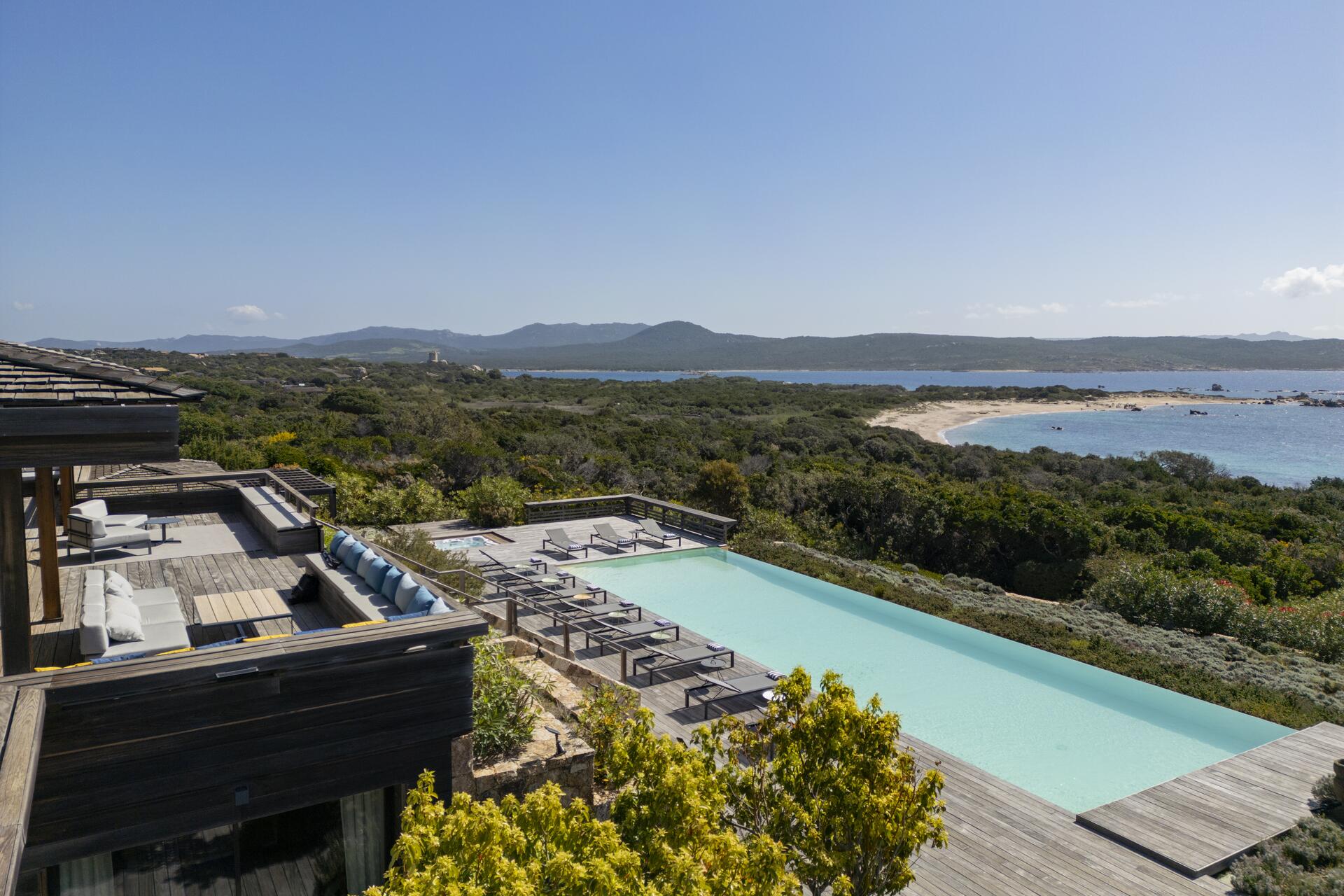
Corsica’s rugged mountains and sculpted coastline have long attracted filmmakers drawn to landscapes that feel both powerful and profoundly atmospheric. With its jagged granite peaks, dense maquis shrubland and beaches washed by impossibly clear water, the island offers a raw, elemental beauty that translates effortlessly to the big screen.
In The Corsican File (L'Enquête Corse) (2004), the island’s dramatic terrain provides the perfect backdrop for a fast-paced detective story infused with humour and regional character. Corsica’s landscapes were also used in the epic war film The Longest Day (1962), where its expansive beaches and rugged shoreline helped recreate the scale and intensity of wartime Europe.
This French Island in the heart of the Mediterranean remains wonderfully untamed. For travellers seeking both adventure and tranquillity, Corsica delivers a striking blend of natural beauty and cultural depth.
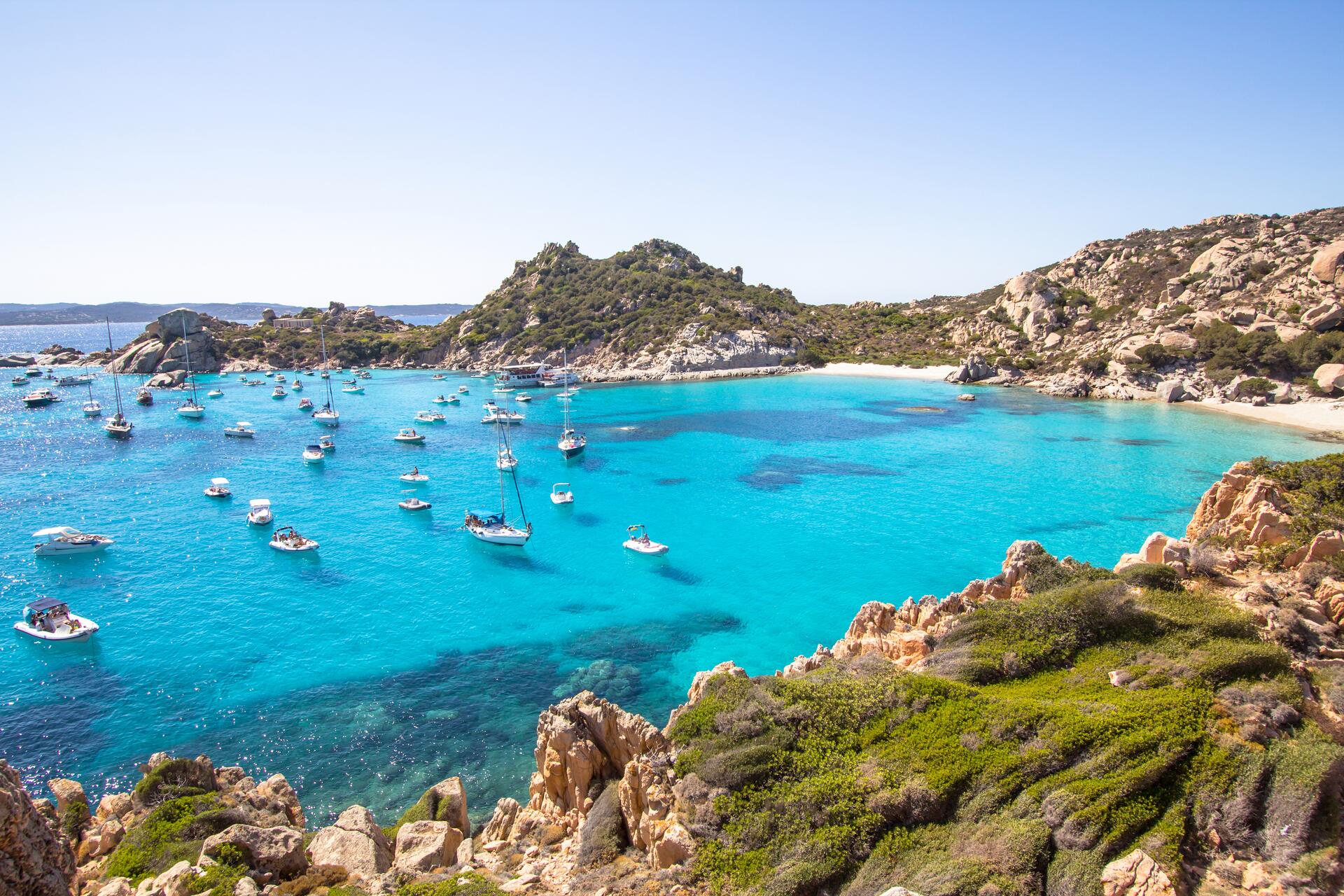
Cala Corsara, Maddalena archipelago, Sardinia, Italy
Sardinia: Untamed Coastlines and Cinematic Escape
Sardinia’s wild beauty has long attracted filmmakers in search of dramatic seascapes and untouched horizons. With its translucent waters, wind-sculpted granite cliffs and stretches of sand that feel almost otherworldly, the island offers a natural stage set unlike anywhere else in the Mediterranean.
Disney’s live-action The Little Mermaid (2023) used Sardinia’s pristine coastline to evoke a mythical, elemental world where sea and sky merge in luminous blues. In Red Notice (2021), Sardinia appears at its most glamorous, with the Costa Smeralda’s polished marinas and dazzling waters lending themselves effortlessly to high-stakes drama and sophisticated escapism. Decades earlier, The Black Stallion (1979) showcased a more elemental side of the island. Its remote beaches and rugged landscapes created a powerful, almost dreamlike backdrop for the story’s tale of survival and friendship. More recently, the island once again took centre stage in Catch-22 (2019), directed by George Clooney, where Sardinia’s dramatic terrain stood in for wartime Mediterranean landscapes, reaffirming its enduring appeal to filmmakers seeking both grandeur and authenticity.
Today, that same diversity defines a holiday here. Sardinia offers space, silence and spectacle in equal measure, a place where nature takes centre stage and where every coastline feels ready for its next starring role.
From Film Set to Picture-Perfect Mediterranean Holiday
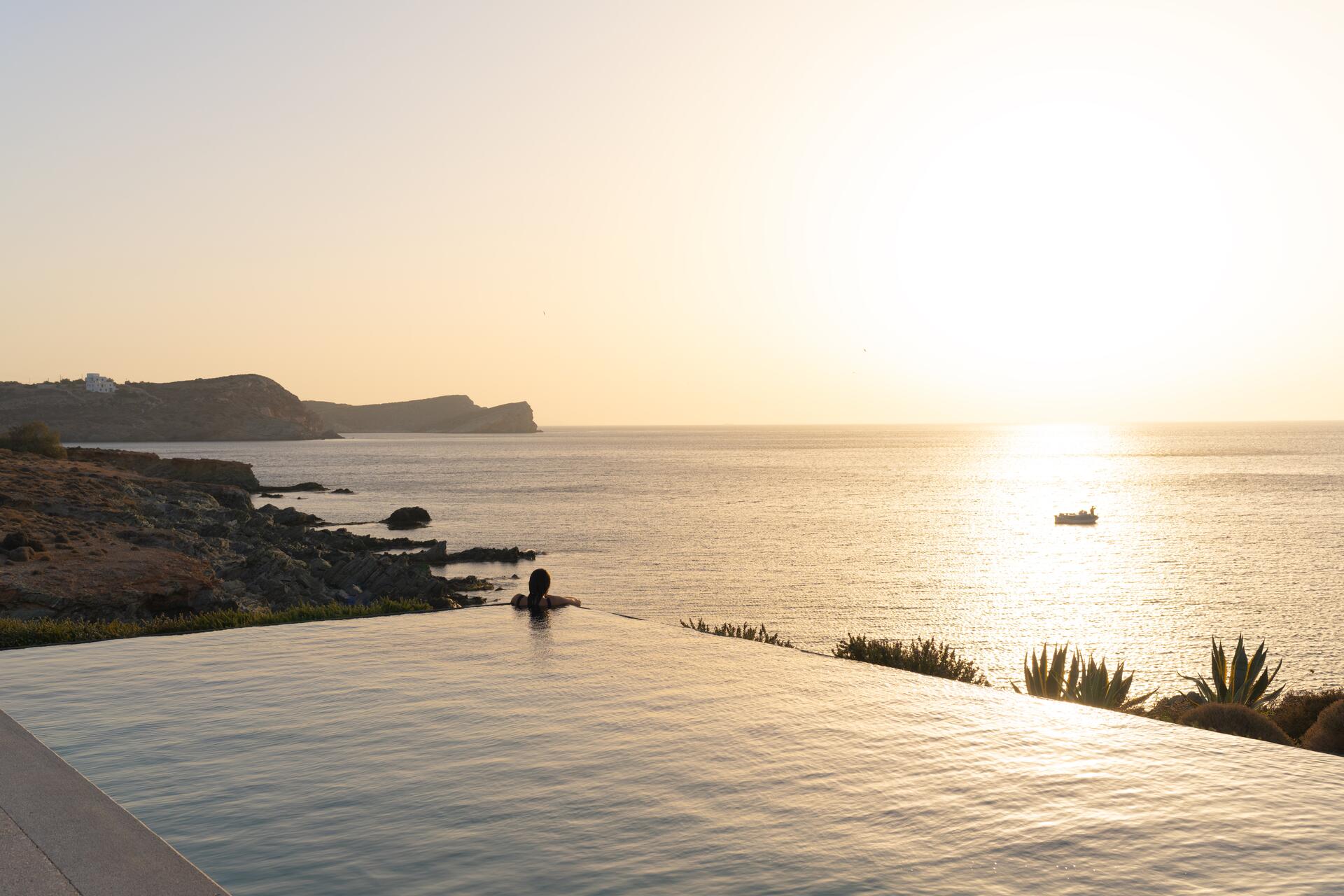
What makes these Mediterranean filming locations so compelling is not simply their cinematic fame, but their enduring beauty. The same light that flatters the camera illuminates your morning swim. The same landscapes that frame a dramatic scene provide the backdrop to your evening aperitivo.
Whether you are drawn to Tuscany’s vineyards, Puglia’s beaches, Corfu’s olive groves, Sicily’s Baroque towns or the Greek islands’ shimmering waters, these destinations offer more than just a connection to film history. They offer space to unwind, to explore and to experience the Mediterranean at its most captivating.
Step into the scene and let your next holiday feel worthy of the big screen.


We're Villa Matchmakers
Because our local experts have personally visited each of our destinations, we know exactly what makes them special. Tell us what your ultimate villa holiday looks like, and allow us take care of the rest.