Euridice
Scopello, Sicily
6 Guests
3 Bedrooms
2 Bathrooms
The sea at the bottom of the garden
Key Highlights
- Garden gate beach/sea access
- Sea views
- Short walk to shop(s) / restaurant(s)
- Barbecue
- Table tennis
Gallery
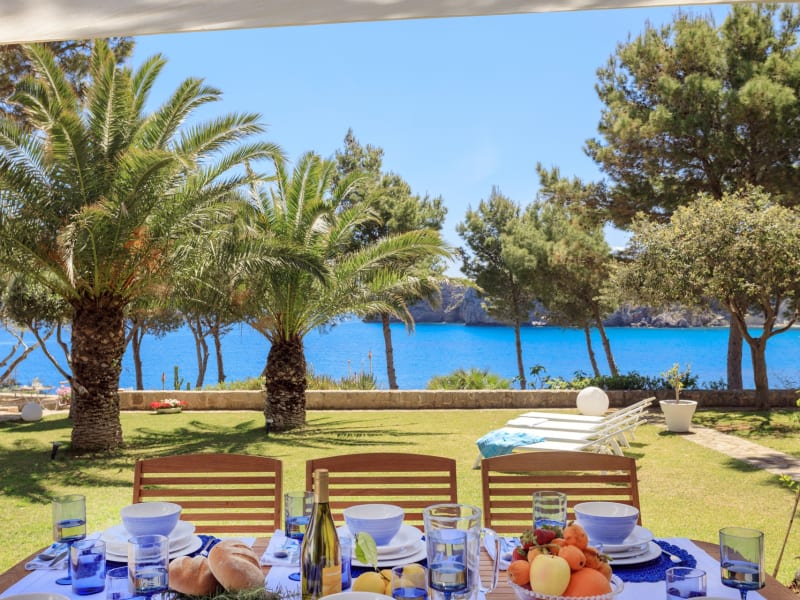
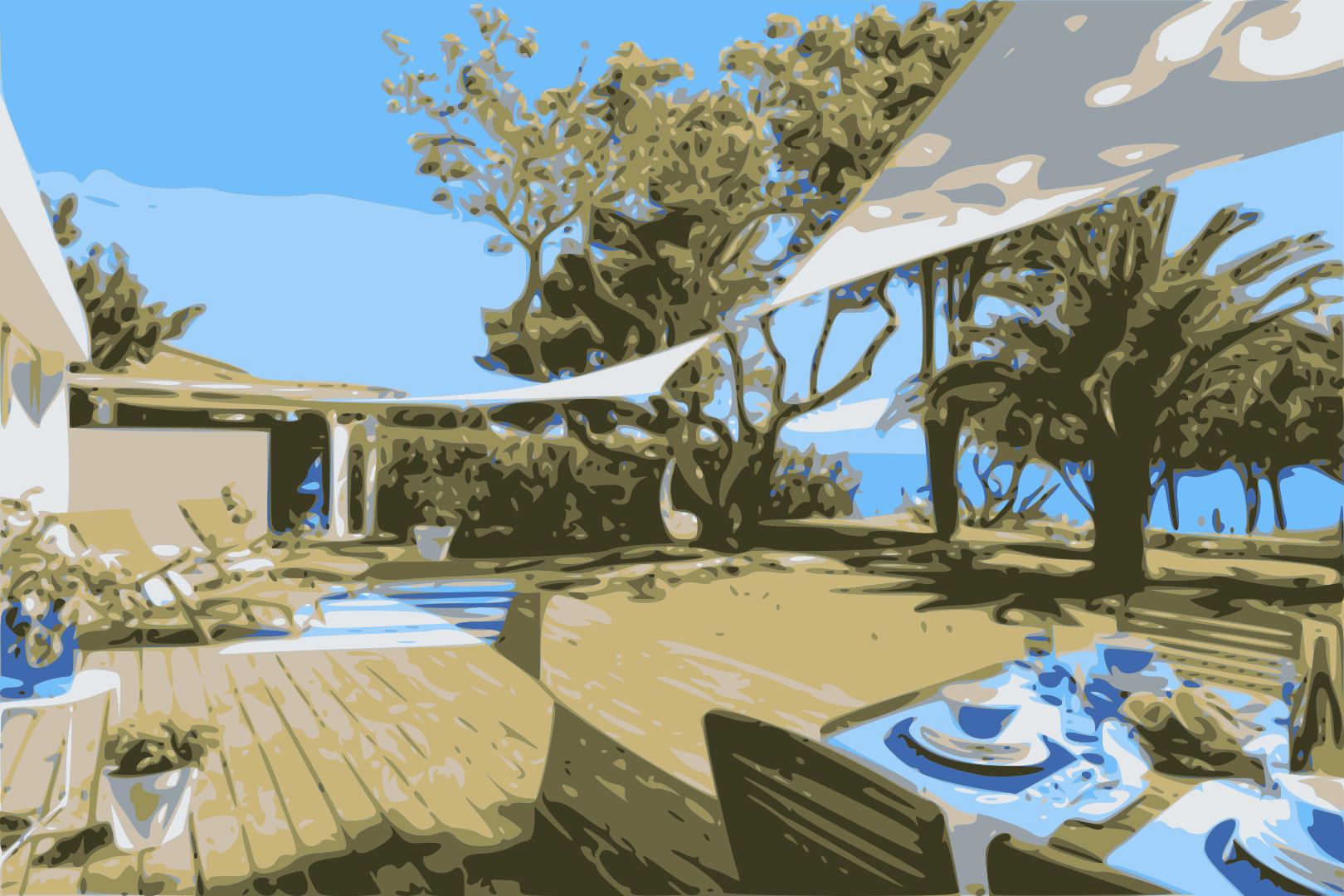
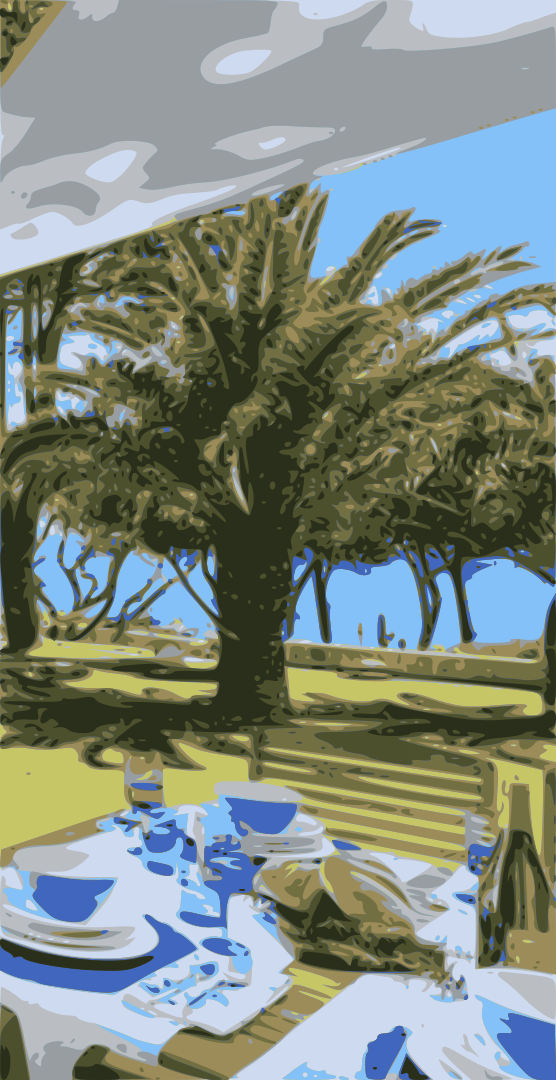
The shady al fresco dining area outside the kitchen.
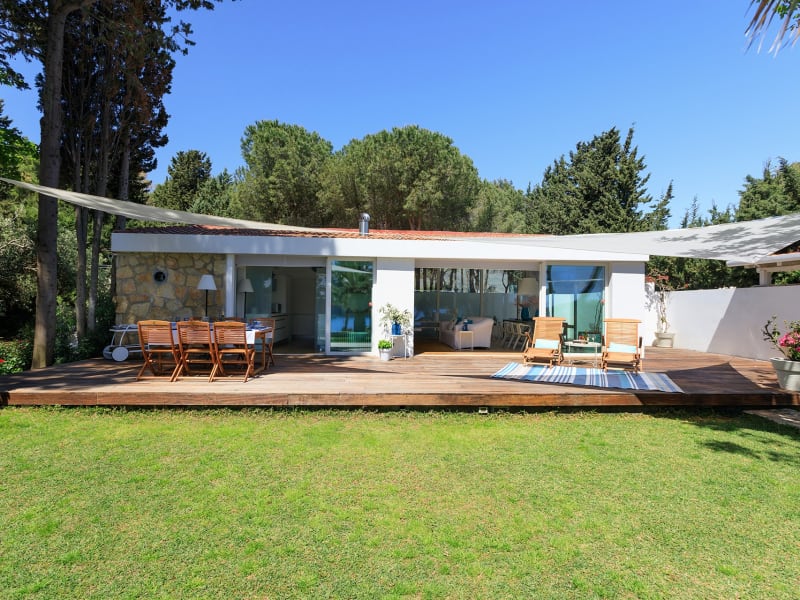
Looking back at the house from the lawned garden.
.jpg)
From Euridice’s garden, the sea calls— place your private ladder and dive in
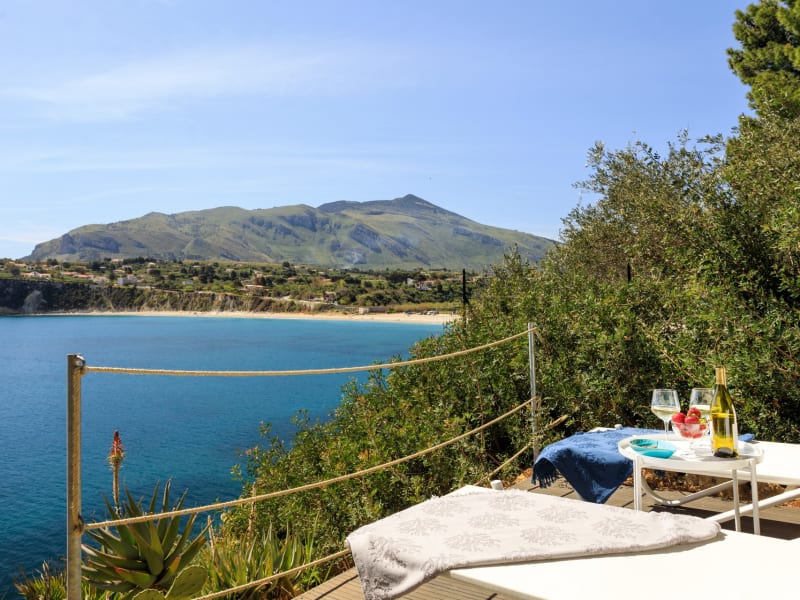
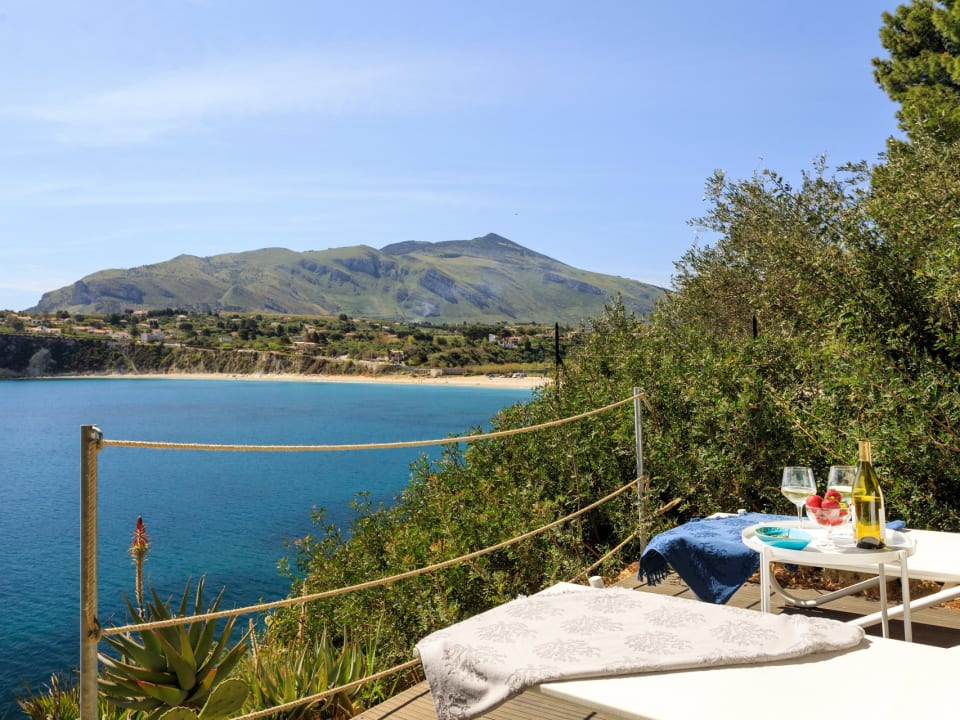
Half way down the sea path is this panoramic terrace.
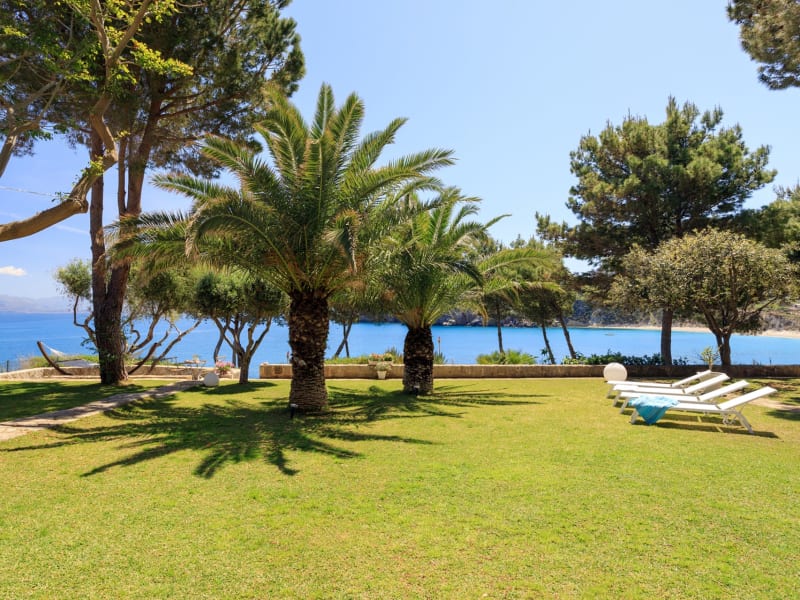
A study in green and blue at Euridice.
We had a wonderful stay at Euridice, thank you. We would return for the calm, the private sea access, and the view.
– UL, visited 2026
Overview
- GuestsUp to 6
- Bedrooms3
- Double beds2
- Bunk beds1
- Bathrooms2
Features and Amenities
The property
- Sea views
- Private parking
- Air conditioning
Geography
- Garden gate beach/sea access
- Short walk to shop(s) / restaurant(s)
Services
- Local knowledge and recommendations
- On-the-ground support
- Wine delivery service
Kitchen & Dining
- Barbecue
- Dishwasher
- Microwave
Entertainment & Tech
- Table tennis
- Satellite Wi-Fi Internet
- Bluetooth speakers
Includes
- The Thinking Traveller's expertise to help you fine-tune the logistics of your trip and access to exclusive experiences
- Exclusive use of your private villa and grounds
- Effortless trip sharing with your guests on our online platform
- Award-winning local expertise throughout your stay
Excludes
- Flights
- Car hire
- Transfers
- Meals
Getting to and around
Bedroom details
- Bedroom 1: double bed (160x190cm), adjacent shower room
- Bedroom 2: double bed (160x200cm), adjacent shower room shared with bedroom 3
- Bedroom 3: bunk-beds (90x190cm), adjacent shower room shared with bedroom 2
Reduced Occupancy
During the shoulder seasons, Euridice has a reduced price for a group of up to 4 that only need up to 2 bedrooms. The bedroom not required will be closed, but the rest of the villa, its amenities and its grounds will remain at the complete disposal of guests. If unspecified, the best bedrooms for your group will be prepared for you.About the property
Inside
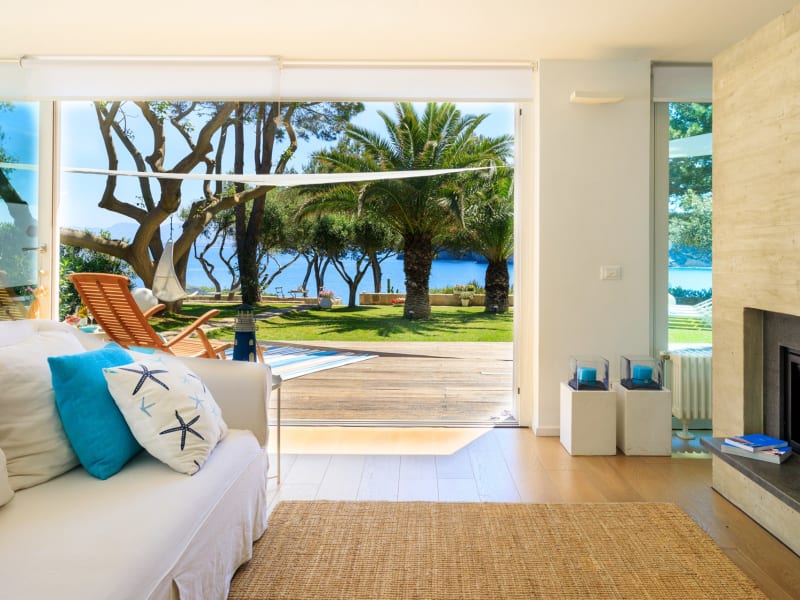
the main entrance takes one into a compact, bright, open-plan space with a dining table and a sofa in front of a designer fireplace. On the sea-facing side, large sliding glass doors open out onto a decked terrace and the gardens, ensuring a seamless indoor-outdoor lifestyle for guests.On the other side of the fireplace, which is inserted into a concrete partition wall, is the modern, well-equipped galley-style kitchen. It too has glass doors accessing the main al fresco dining area on the decked terrace.
An opening at one side of the kitchen takes one into the compact sleeping wing, which comprises two double bedrooms, a cosy kids’ bunk-bed room and two shared shower rooms. One of the doubles and the bunk room have access to a secluded, pine tree-shaded courtyard, while one of the bathrooms boasts a porthole in the shower, offering views of the gardens and sea beyond.
Outside
Euridice is enveloped in mature, beautifully tended gardens. From a shady pine copse at the front, paths lead around to the sea-facing side of the property, which is home to a decked terrace, furnished for al fresco dining and lounging, and an expanse of manicured lawn.Magnetic sea views entice one to the end of the gardens where there is a tree-shaded terrace with a perfectly positioned hammock. An aloe vera-flanked path with steps leads down from here, past a panoramic sitting area suspended above the sea, to the private sea access. Here, a detachable ladder connects two rocky platforms. The upper level is furnished for sun-bathing, while the latter, like a partially submerged edge of an infinity pool, gives way to the translucent waters of Guidaloca bay.
CIN No. IT081005C26WM9V2WS, CIR No. 19081005C225359
About the Area
Set on the coast of Guidaloca bay, between the Golfo di Castellammare and the nature reserve of Lo Zingaro, Euridice occupies a prime spot on one of the most beautiful and striking stretches of coastline in Sicily.
The small village of Scopello just up the hill has a good selection of restaurants and bars, and can be reached by car in about 5 minutes. There is also a mini-market (with excellent deli, butcher's and wine selection), a good bar and an organic farm shop selling superb fruit and vegetables about 5 minutes drive away (or 15mins walk) on the road towards Scopello.
The old tuna fishery (tonnara) of Scopello, about a 5-minute drive away, occupies a very suggestive setting, and Lo Zingaro Nature Reserve offers a range of spectacular walks and some beautiful crystal clear bays for swimming. There is a diving centre in Scopello for SCUBA lovers and a pebbly beach with equipped lidos just a couple of minutes drive away at Guidaloca beach.
The town of Castellammare del Golfo a few kilometres east along the coast has several seafront bars and restaurants, a daily fish market and a long sandy beach.
The spectacular Elymian/Greek site of Segesta is about 30 minutes' drive away and Erice, Palermo, Trapani and Selinunte can all be reached in under an hour.
Considerations
Due to the nature of the property including terraces low walls and several drops around the grounds, children must be supervised at all times.
Please note that this villa does not have a pool.
One section of the access road to Euridice is a little rough, so we recommend guests hire a car with high ground clearance.
Guest Reviews
We had a wonderful stay at Euridice, thank you. We would return for the calm, the private sea access, and the view.
UL, visited August 2026
The view at Euridice was amazing. It was a peaceful, private setting with a well-equipped kitchen. Would we return? Yes, the villa met our needs perfectly.
Verified guest, visited June 2026
What stood out about Euridice for us was the view and the direct access to the sea. Would we return? Yes.
Verified guest, visited May 2026
Euridice and its ocean view is just perfect.
Verified guest, visited October 2025
Our experience at Euridice was delightful. It is a very comfortable and well equipped house with beautiful views.
Verified guest, visited September 2025
What stood out about Euridice? The view and the villa is so well equipped. Any chef would be very impressed. Would we return? Yes.
Megene Forker, visited May 2025
Euridice was perfect, a fabulous, intimate, relaxing home. What stood out was the private sea access, the style, and the warm welcome of the owners.
Verified guest, visited August 2024
Euridice is a seaside dream. The location, sea access and amenities were just what we wanted.
Verified guest, visited July 2024
Looking to know more about Euridice?
Our Specialists know Euridice first-hand. Having personally visited the villa, they can answer your questions, share insider details, and help you find the perfect dates for your stay.
Local Experiences
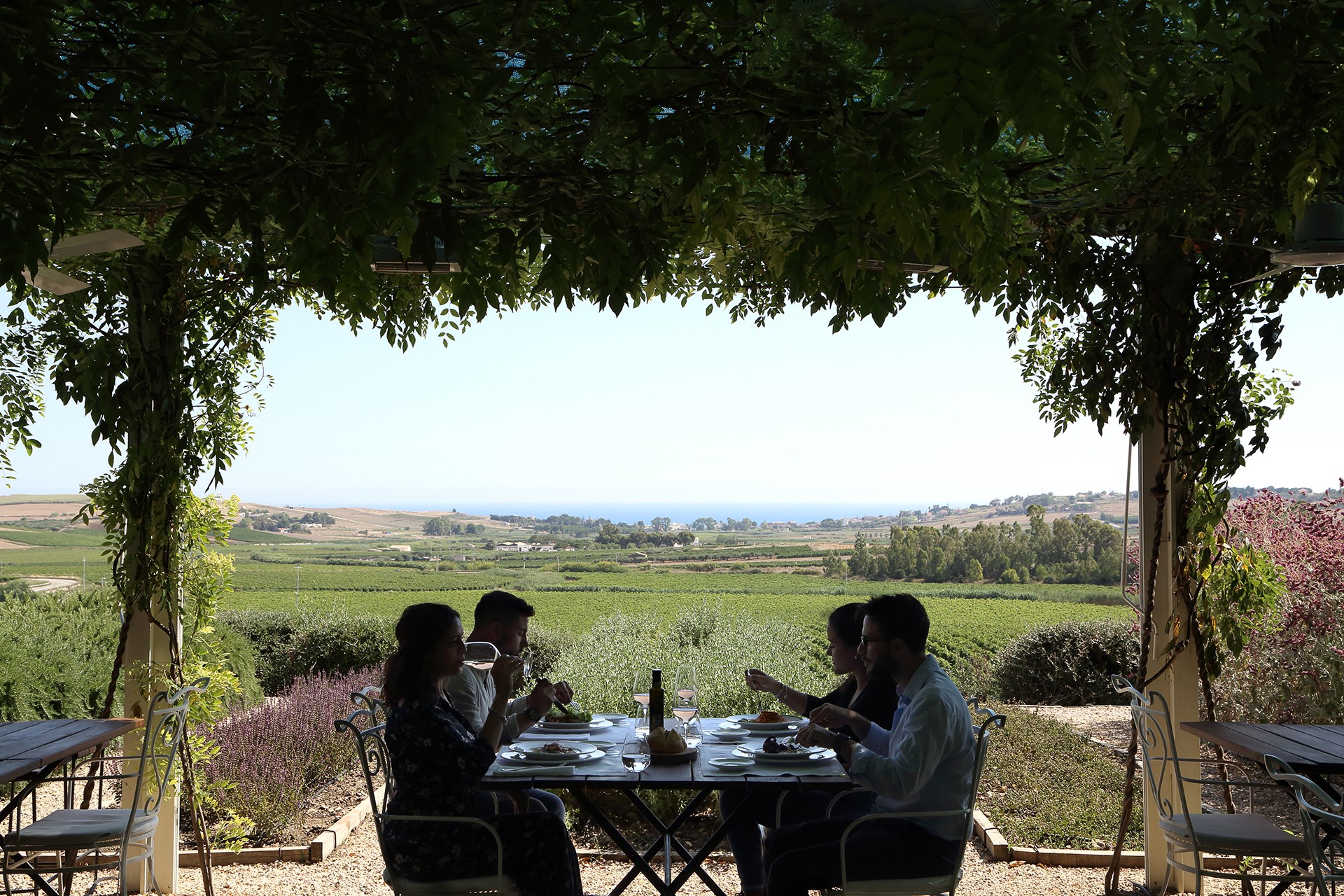
Culinary experiences in Western Sicily
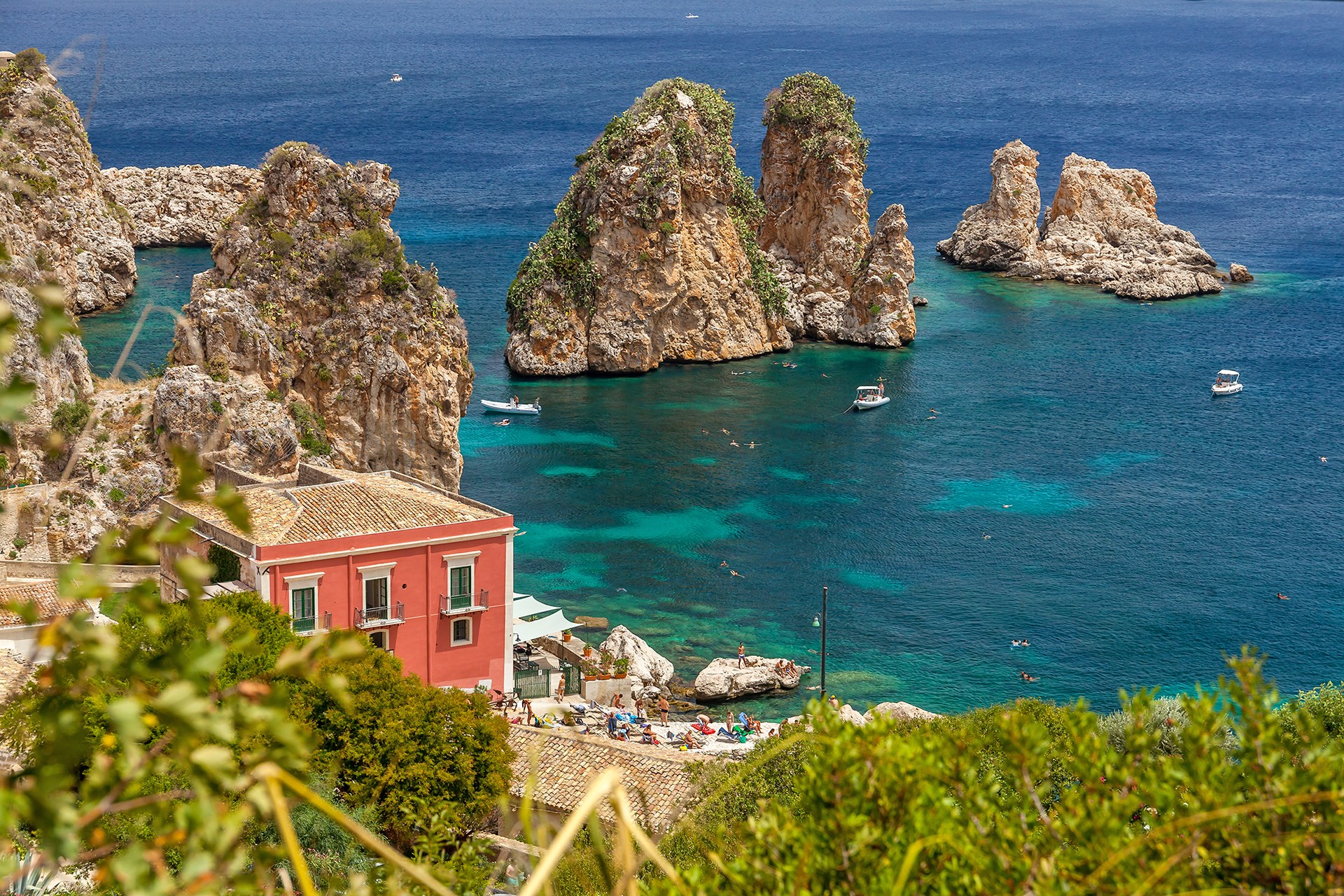
Private boat charters in West Sicily
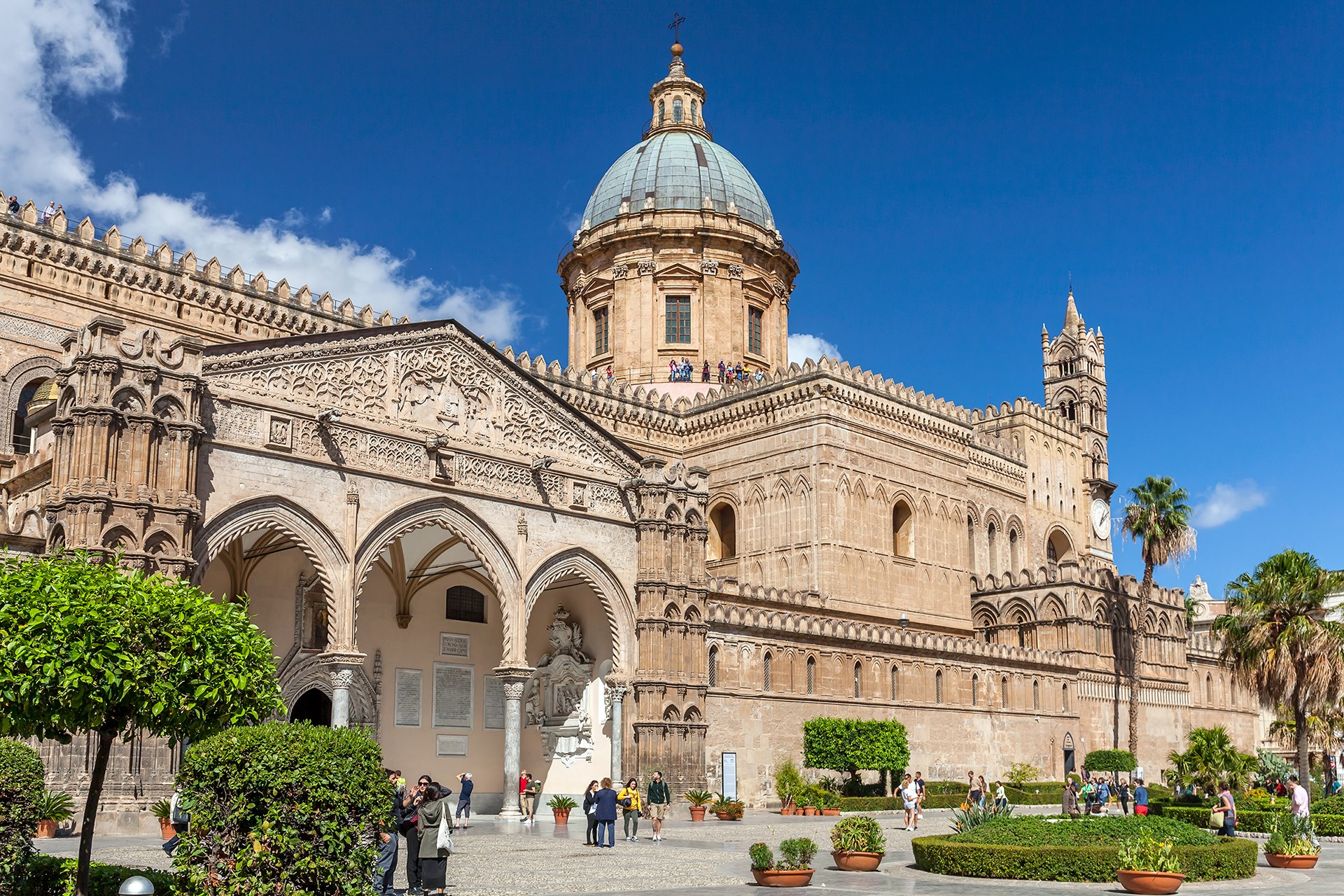
Private guided tours in West Sicily
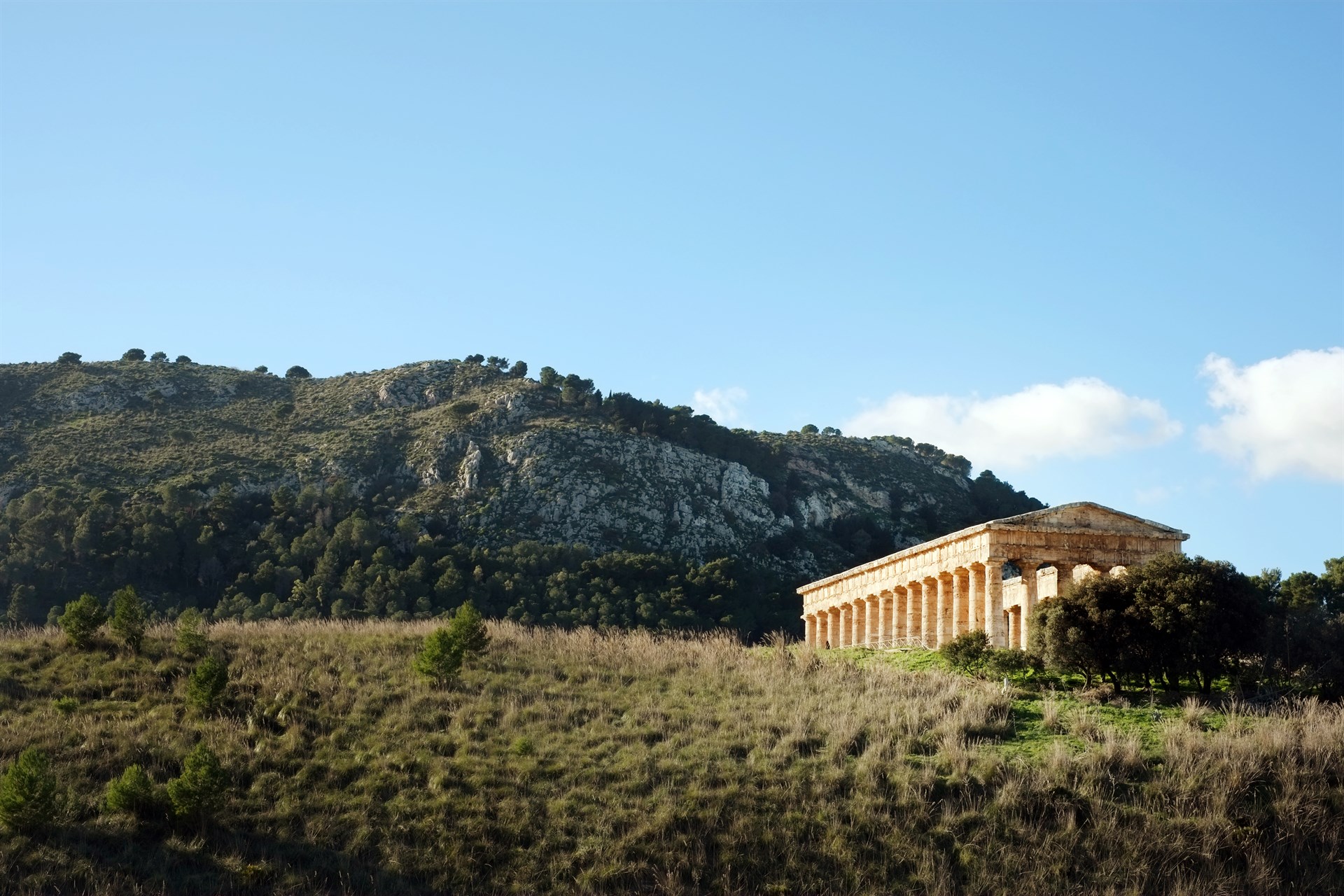
Private Guided Tours in Southwest Sicily
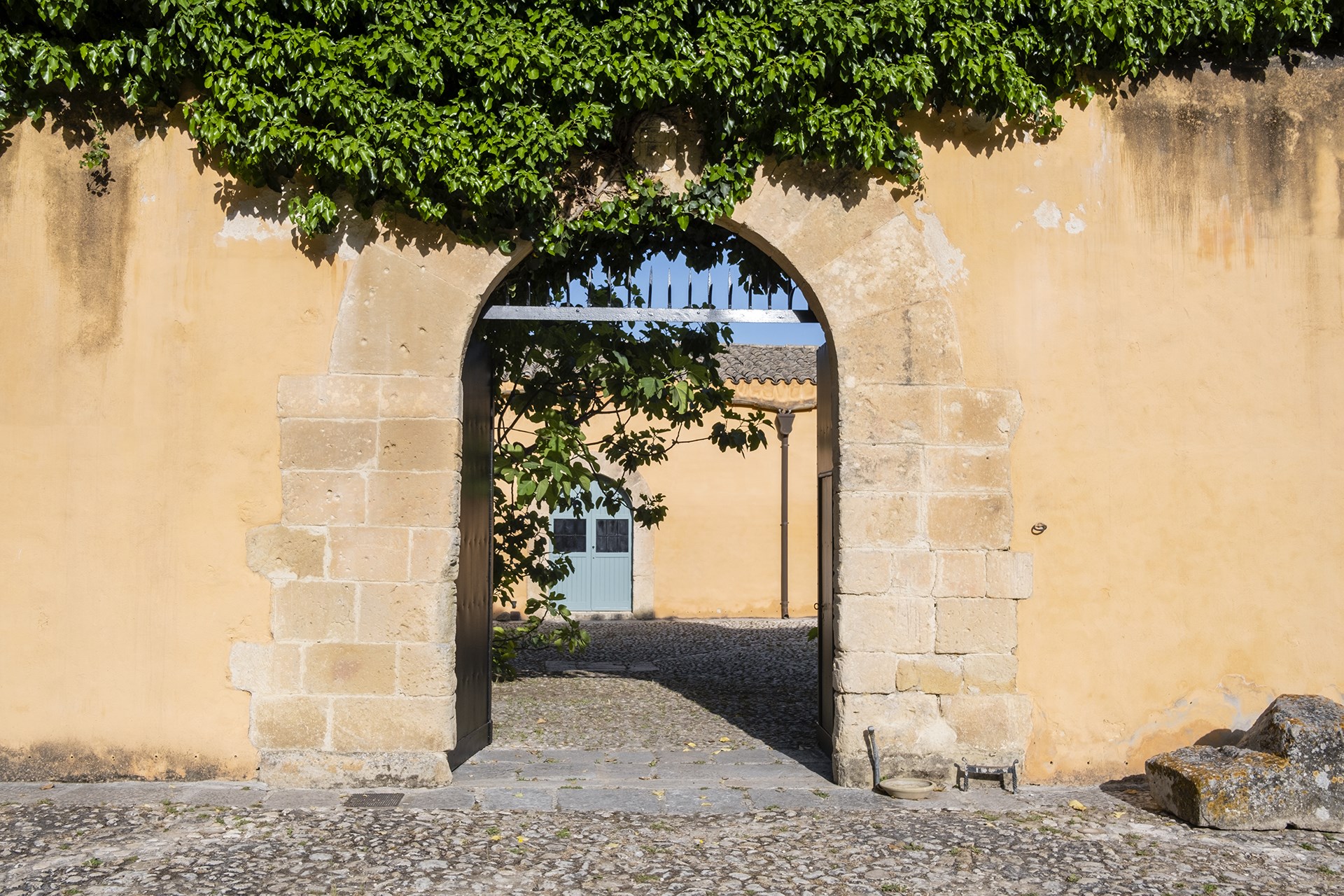
Wine tastings in Southwest Sicily
.jpg)
Bike rental
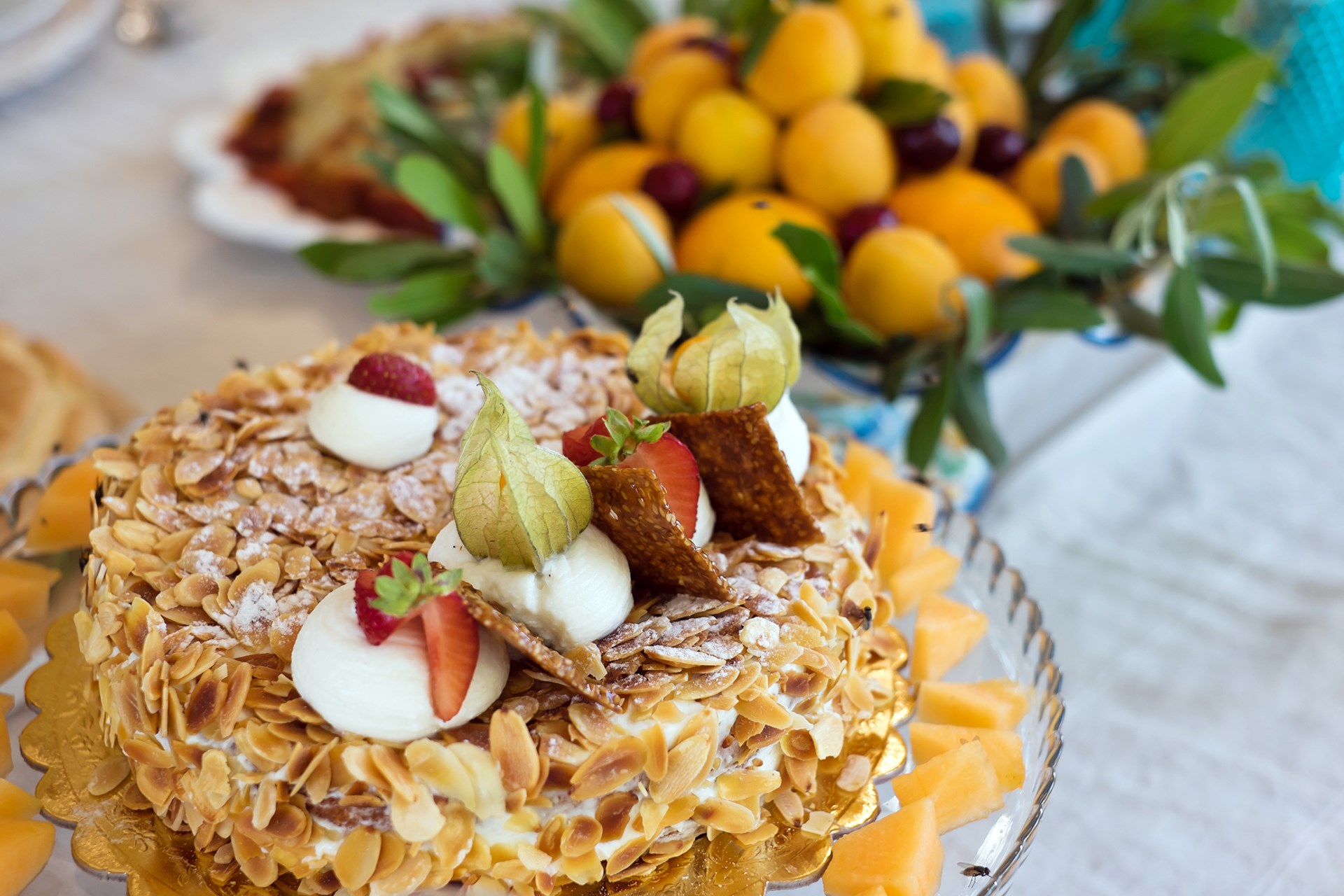
Culinary experiences in West Sicily
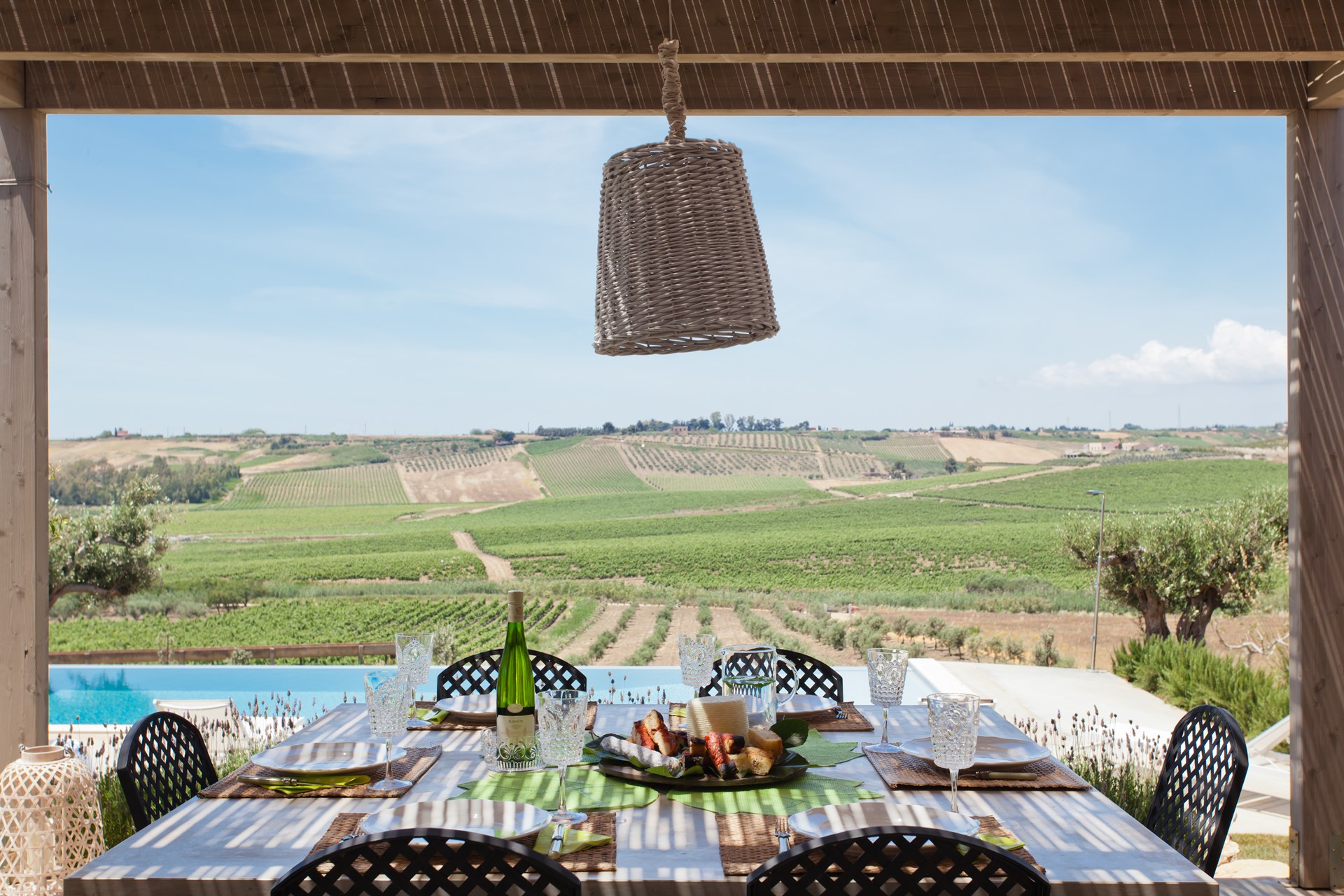
In Villa Services Sicily
Similar Villas

Extraordinary, Exclusive Villas
Our villas are only operated exclusively through us, ensuring award-winning quality of both properties and service. This exclusivity also guarantees secure, 24/7 online booking with real-time availability, meaning you can reserve with complete confidence.
Request Tailored Suggestions