

Al Jafar
Paceco, Sicily
8 Guests
4 Bedrooms
4 Bathrooms
The Moorish castle
Key Highlights
- Gated pool
- Outdoor kitchen
- Library
- Breakfast (incl. ingredients)
- Daily maid service
- Barbecue
- Children's play area
- Children's pool
Gallery
Aerial views of Al Jafar.
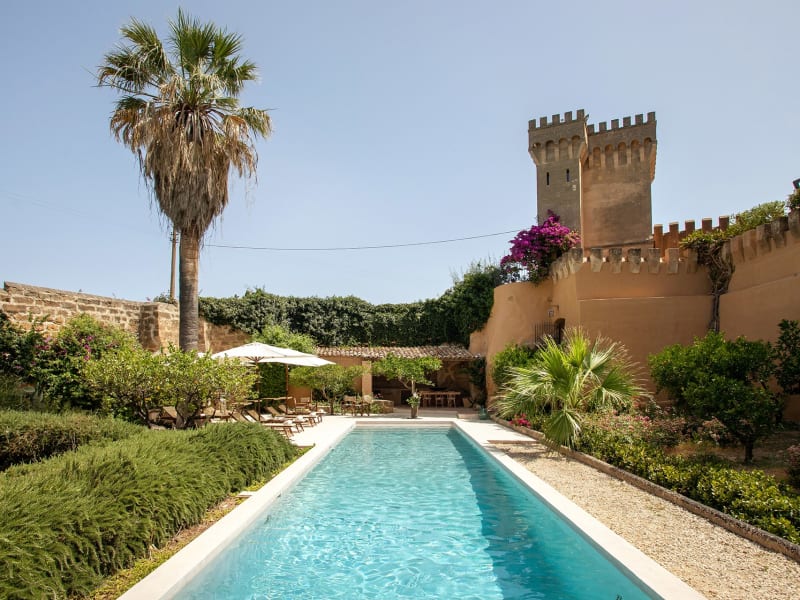
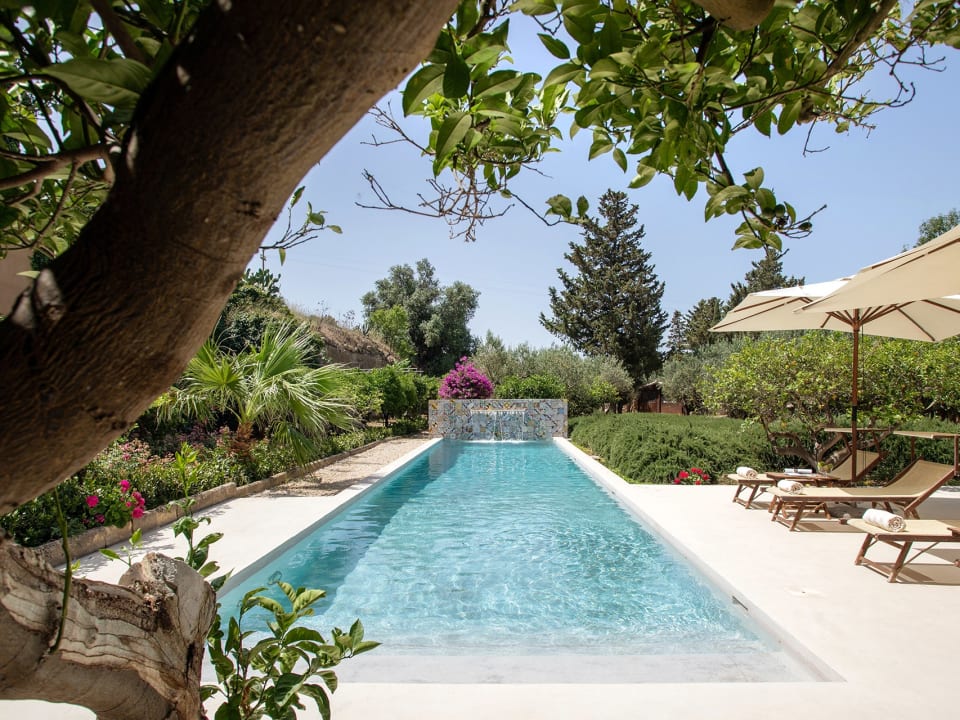
Al Jafar's superb pool is set in a charming sunken garden.
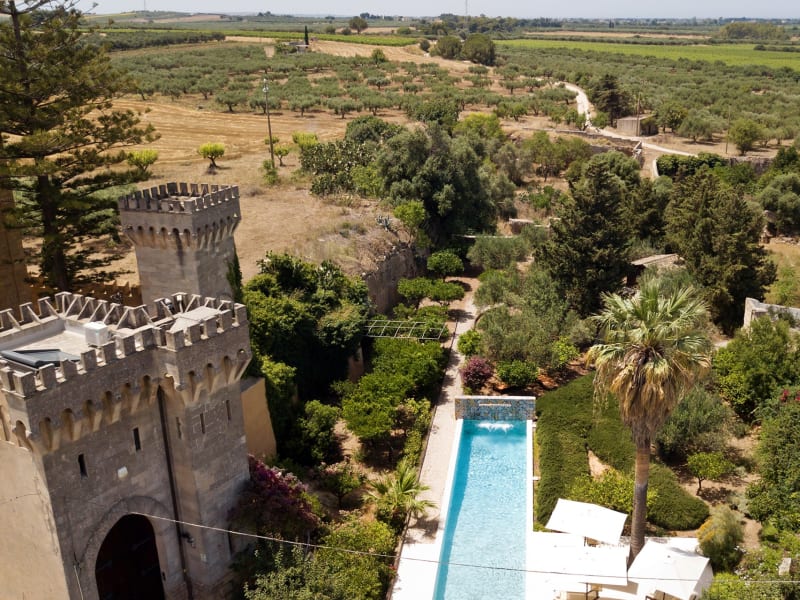
A stunning view of the property.
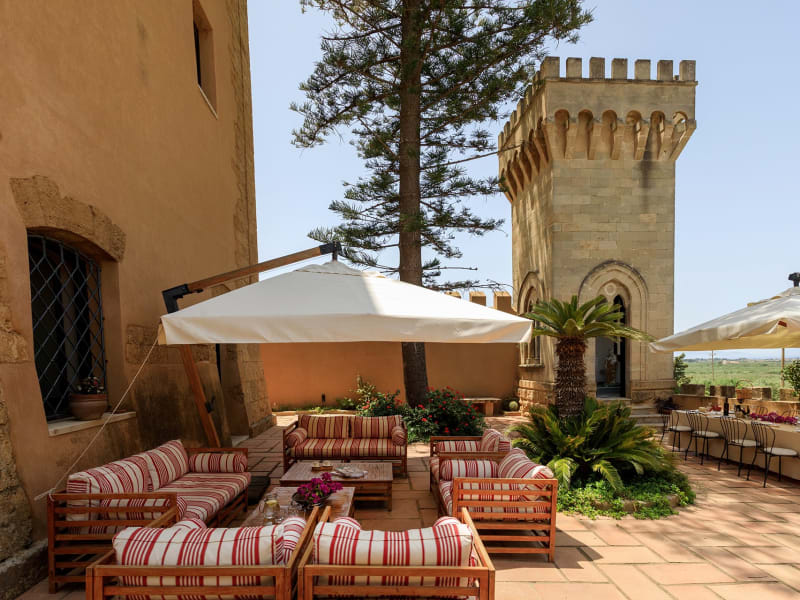
The main courtyard where you will most likely take your meals.
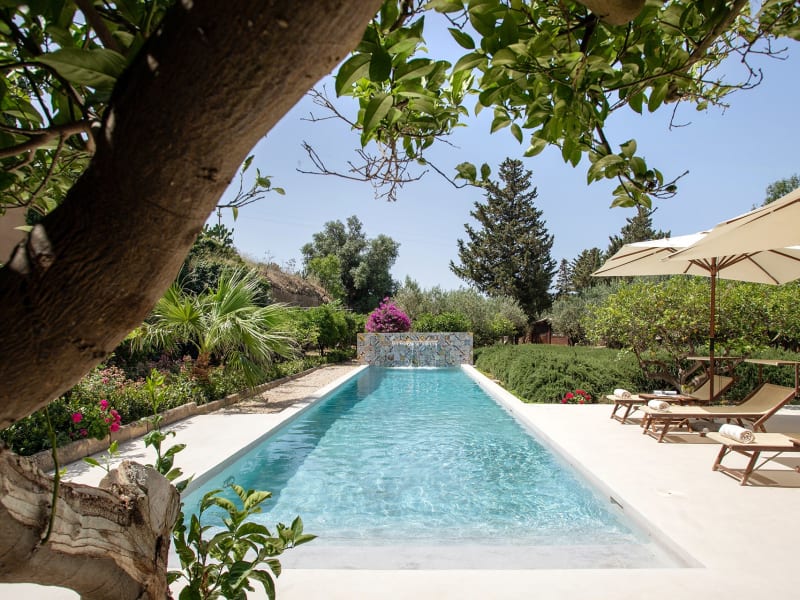
The elegantly slender pool stretching out before you.
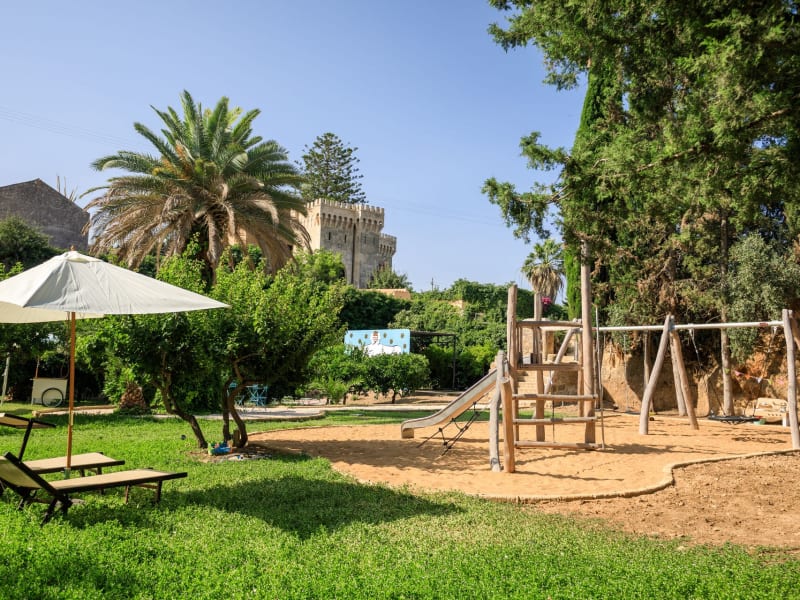
Just across a country track is Al Jafar's very own children's garden.
.jpg)
I’ve never stayed anywhere quite like Al Jafar. It was a beautiful, unique experience - how many people can say they’ve spent a week in a centuries-old castle? Breakfast was something else: a banquet every day, thoughtfully curated to introduce us to local delicacies, flavours, and traditions. A truly special touch that made the stay all the more memorable. The kindness, hospitality and passion of the staff for their home and island made our time in Sicily unforgettable.
– Megan Spiers, visited 2026
Overview
- GuestsUp to 8
- Bedrooms4
- Double beds3
- Double bed or Twin beds1
- Bathrooms4
- En-suite bathrooms3 of 4
Features and Amenities
The property
- Outdoor kitchen
- Library
- Children's play area
Pool & Wellness
- Gated pool18x4m
Services
- Breakfast (incl. ingredients)
- Daily maid service
- Local knowledge and recommendations
Kitchen & Dining
- Barbecue
- Dishwasher
- Microwave
Entertainment & Tech
- ADSL Wi-Fi Internet
- Piano
- Bluetooth speakers
Includes
- The Thinking Traveller's expertise to help you fine-tune the logistics of your trip and access to exclusive experiences
- Exclusive use of your private villa and grounds
- Effortless trip sharing with your guests on our online platform
- Award-winning local expertise throughout your stay
Excludes
- Flights
- Car hire
- Transfers
- Meals (except for breakfast)
Getting to and around
Bedroom details
Main House
- Bedroom 1: double-twin bed (160/80x190cm), en-suite shower room
- Bedroom 2: double bed (160x190cm), adjacent bathroom
- Bedroom 3: double bed (175x190cm), en-suite shower room NB: In the antechamber outside of Bedroom 3 there is a chaise longue and a fold-out bed that may be used as extra beds for children on request and at a small extra cost. Please let us know at the time of booking if you would like to make use of them.
Tower
- Bedroom 4: double (140x200cm), en-suite shower room
NB: A double-twin bedroom has two single beds that can either be joined together to create a double bed or left separate as two single beds.
Reduced Occupancy
- During the shoulder seasons, Al Jafar can be rented at reduced rates by groups of up to 6 that only need up to 3 bedrooms. The bedroom(s) that guests wouldn’t need would simply be closed off but the rest of the villa, all its amenities and its grounds would remain at their complete and private disposal. For reduced occupancy bookings at Al Jafar, please note that the tower will be closed.
About the property
Inside
accommodation at Al Jafar is spread over three floors of the main castle and at the top of an independently accessed tower.The main entrance leads from a large walled courtyard into a voluminous hallway, whose elegant furnishings, original features, frescoed beamed ceiling and honey-coloured stone walls set the tone for the rest of the property. Off the hallway is a well-equipped Sicilian kitchen with pantry, a guest bathroom, and a splendid living and dining room whose high vaulted ceiling and decorative fireplace make for a grand yet intimate atmosphere.
Steps lead from the hallway up to a mezzanine floor, home to a double-twin bedroom with en-suite shower room. A few more stairs take one up to the first floor proper, where there is a large comfortably furnished living area and library and a beautiful double bedroom with adjacent bathroom with tub, antique maiolica tiles and an elegant aristocratic ambience.
The final flight of stairs leads up from the first floor living area up to another large living space and the largest double bedroom, complete with en-suite shower room and an antechamber with a chaise longue. The second floor opens out onto a spectacularly panoramic terrace.
Exiting the main house and heading back across the central courtyard, one comes to a tower rising above the impressive entrance gate. Inside, up a 33-step spiral staircase, is the fourth bedroom, a comfortable self-contained double (a small double bed) with en-suite shower room. This little nest is most suitable for independent teenagers or those looking to appreciate the star-gazing skylight.
Outside
Al Jafar sits amidst a peaceful, gently whispering 15-acre olive estate. On the ground floor, accessed from the living and dining area and the hallway, is a large panoramic walled courtyard, furnished for relaxing and dining amongst the towers.From there, a stone staircase leads down through the walls to an utterly private Arabic sunken garden. Once a quarry providing tuff stone for the construction of Trapani's baroque churches and palazzi, the garden now hosts an al fresco kitchen with barbecue and dining area, and an enchanting array of flowering plants, pomegranate and other fruit trees, exotic palms and a host of fragrant Mediterranean flora. At its centre sits the fabulous 18 metre-long pool with an advanced saline filtration system, a water feature and feature wall decorated with antique ceramic tiles.
Just across a country path in front of Al Jafar is a children's pool (6m x 2.3m and 0.6m deep) and a play area with swing, a little theatre, and other diversions to keep the youngest ones in your group happy.
The terrace accessed from the second floor landing is probably the best spot for an aperitif, a thesis supported by the presence of dumb waiter connecting it to the kitchen below. This is also where the views are at their best, with 360-degree vistas taking in the surrounding olive groves, the Egadi Islands, the sparkling sea and ancient Erice, perched atop its eponymous mountain.
Al Jafar wouldn't be complete without its delicious farm produce, which guests are encouraged to make use of. Its 180 olive trees, some of which are hundreds of years old, as is evident from the considerable girth of their trunks and their sheer height (reaching some 10m), produce a superb extra virgin olive oil. There are also around 40 citrus trees, including orange, mandarin, clementine, lemon, grapefruit and citron, whose zagara blossom perfumes the air at certain times of year.
If that weren't enough, there are also plum, apricot, fig, mulberry, pear, quince, medlar and almond trees, free range hens for delicious eggs, and a vegetable garden where heirloom varieties of tomatoes, aubergines, courgettes, artichokes, bell peppers, fava beans, peas and even chick peas are cultivated. Everything is grown without pesticides and no matter the time of year you visit, there'll always be something delicious to use in your cooking.
CIN No. IT081013C2JQYQPYXM, CIR No. 19081013C226487
About the Area
Al Jafar is ideally situated for an exploration of Western Sicily. The nearby towns of Trapani, Erice and Marsala all boast beautifully restored centres with fascinating histories and some great restaurants. The Phoenecian island of Mozia is just a few km away, as are the beautiful salt pans where migrating flamingoes nest. There are a couple of beaches in and around Trapani itself while the one at nearby San Vito Lo Capo is one of the finest anywhere in the Med. A day trip or two to beautiful Favignana and the Egadi Islands is a must: a 15-minute hydrofoil trip and you'll be in an island paradise of beaches, idyllic coves and transparent waters! If all that weren't enough, the dramatic Greek sites of Segesta and Selinunte are within easy striking distance too.
Villa history
The property has been in the family of the present owners since 1335, when a Royal Knight, Lancelot, acquired the estate and began transforming the existing Arabic structure into a fortified residence. The last descendent of the family to live there permanently was Enrico "the Lion" (as Garibaldi nicknamed him), also known in historical circles as the Hero of Three Worlds thanks to his participation in the Crimean War, the American Civil War (on the side of the Union) and the Risorgimento in Italy.
Enrico's daughter, Maria Teresa, founded a religious order, the Povere Figlie di Maria SS Incoronata (the Poor Daughters of the Incoronation of the Virgin Mary), and transformed the castle into an orphanage for abandoned children.
Al Jafar's enchanting sunken garden, meanwhile, was originally a quarry, whose dense tuff stone was used in the construction of many of Trapani's magnificent baroque churches and palazzi. Today, it is an utterly private sanctuary with a glorious pool and a microclimate that provides the ideal conditions for a flourishing and fragrant array of flowering plants, fruit trees and other Mediterranean flora.
The current owners restored Al Jafar in 1990, maintaining the original structure and ensuring that each stone, parapet and crenellation lives on to tell its story. In 2014, the Sicilian Regional Department of Cultural and Environmental Heritage listed Al Jafar as a "building of historical, artistic and architectural importance".
Like any castle worth visiting, Al Jafar has its own supernatural back story, complete with ghost. It is, so the legend would have it, home to a magic hidden treasure that can only be found by completing a series of tasks. First it is necessary to pluck a pomegranate from one of the trees in the garden and take it to the stables just as the clocks strike midnight. There, after cutting open the pomegranate, every single seed must be counted. If you achieve this task successfully, a Saracen ghost will appear and lead you to the treasure.
There is, however, one other catch: first you must book Al Jafar!
Considerations
Due to the nature of the property including terraces low walls and several drops around the grounds, children must be supervised at all times.
This property is surrounded by countryside, some of which is unfenced and may include drops or steep slopes. We therefore recommend that younger children are supervised by an adult when exploring the grounds.
The villa has a few resident cats, who may be seen in the villa grounds; they will not enter the house unless encouraged to do so, however we cannot guarantee that they will stay away from outdoor furniture.
Guest Reviews
I’ve never stayed anywhere quite like Al Jafar. It was a beautiful, unique experience - how many people can say they’ve spent a week in a centuries-old castle? Breakfast was something else: a banquet every day, thoughtfully curated to introduce us to local delicacies, flavours, and traditions. A truly special touch that made the stay all the more memorable. The kindness, hospitality and passion of the staff for their home and island made our time in Sicily unforgettable.
Megan Spiers, visited October 2026
The setting at Al Jafar is obviously incredible but the house manager's attentive and affable hosting made it an unforgettable stay.
Verified guest, visited September 2026
Al Jafar was magical. We've been lucky enough to have been to some lovely villas over the last few years but we have never been happier than we were at All Jafar. The the views, the villa, the sunsets and the staff were just amazing. The house manager and his team ensured that we had the best experience ever. The meal they prepared for us to eat on the terrace one evening was our best night of the whole holiday.
PL, visited September 2026
Al Jafar was, without question, one of the most magical places I have ever stayed. It's a breathtaking castle surrounded by olive groves, with sweeping views. The pool was enormous, beautiful, and the perfect temperature, and the castle was rich in history and stunning architecture while still offering every modern comfort. The house manager and his family are among the kindest, warmest, and most thoughtful hosts we have ever met. Some places are beautiful. A very few are unforgettable. This is one of those rare places.
Jeffrey Miller, visited June 2026
Al Jafar was beautiful, inside and out. The pool was wonderful and the views incredible. The staff at the villa made the most incredible breakfasts and were so delightful and helpful throughout our stay. Our experience was relaxing and luxurious. Would we return? Yes, we had the most enjoyable time and would definitely choose to go back in the future.
Verified guest, visited June 2026
Al Jafar far, far exceeded our expectations. Everything about it was spectacular but at the top of the list were the staff. They were truly what made the experience memorable. We are their biggest fans.
TW, visited May 2026
What we loved about Al Jafar were the beautiful interiors and the fantastic staff.
Maciej Dworzanski, visited October 2025
We had a great holiday at Al Jafar, thank you. The villa and all staff were excellent. A special mention to house manager for looking after us all so well.
Verified guest, visited September 2025
Looking to know more about Al Jafar?
Our Specialists know Al Jafar first-hand. Having personally visited the villa, they can answer your questions, share insider details, and help you find the perfect dates for your stay.
Local Experiences
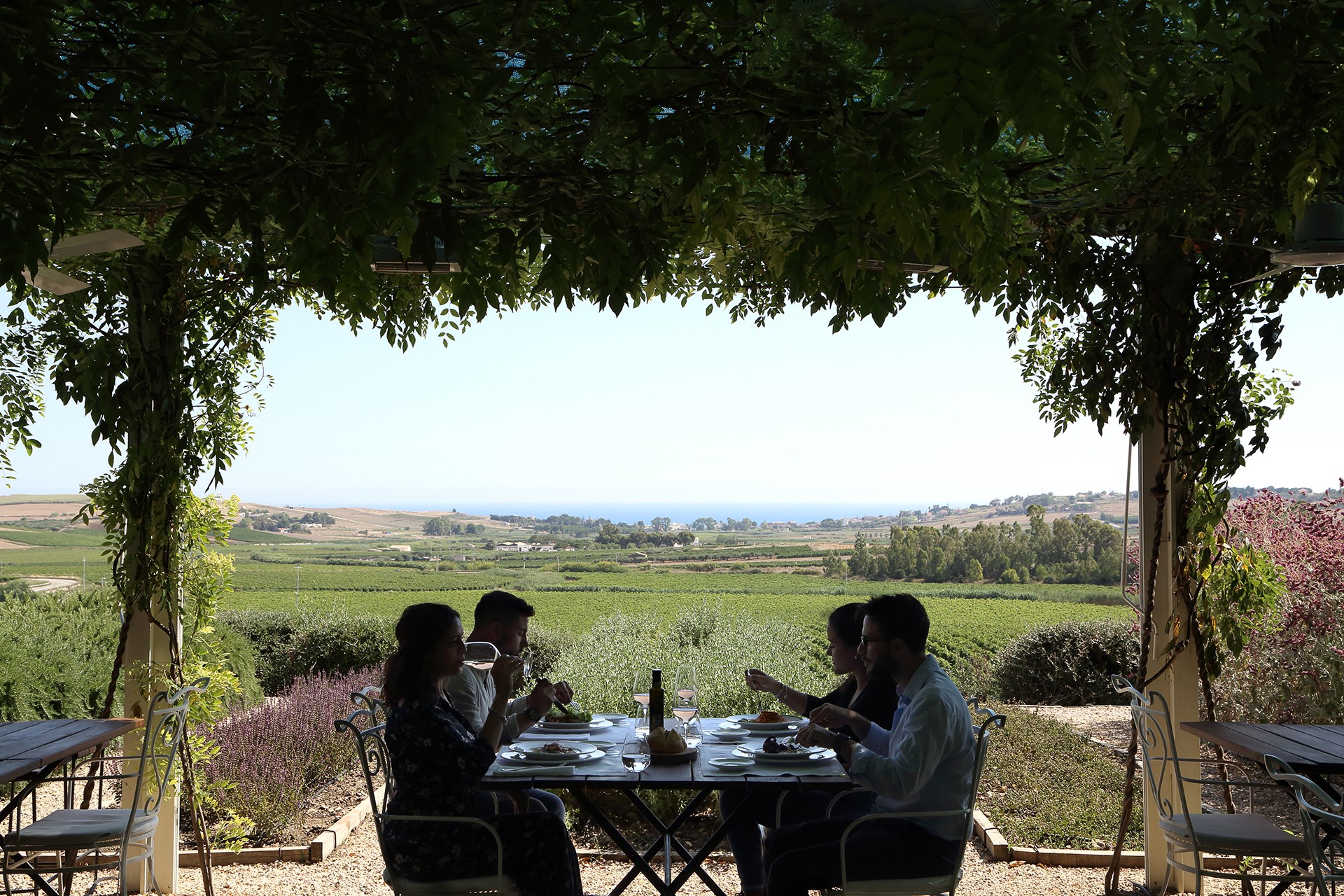
Culinary experiences in Western Sicily
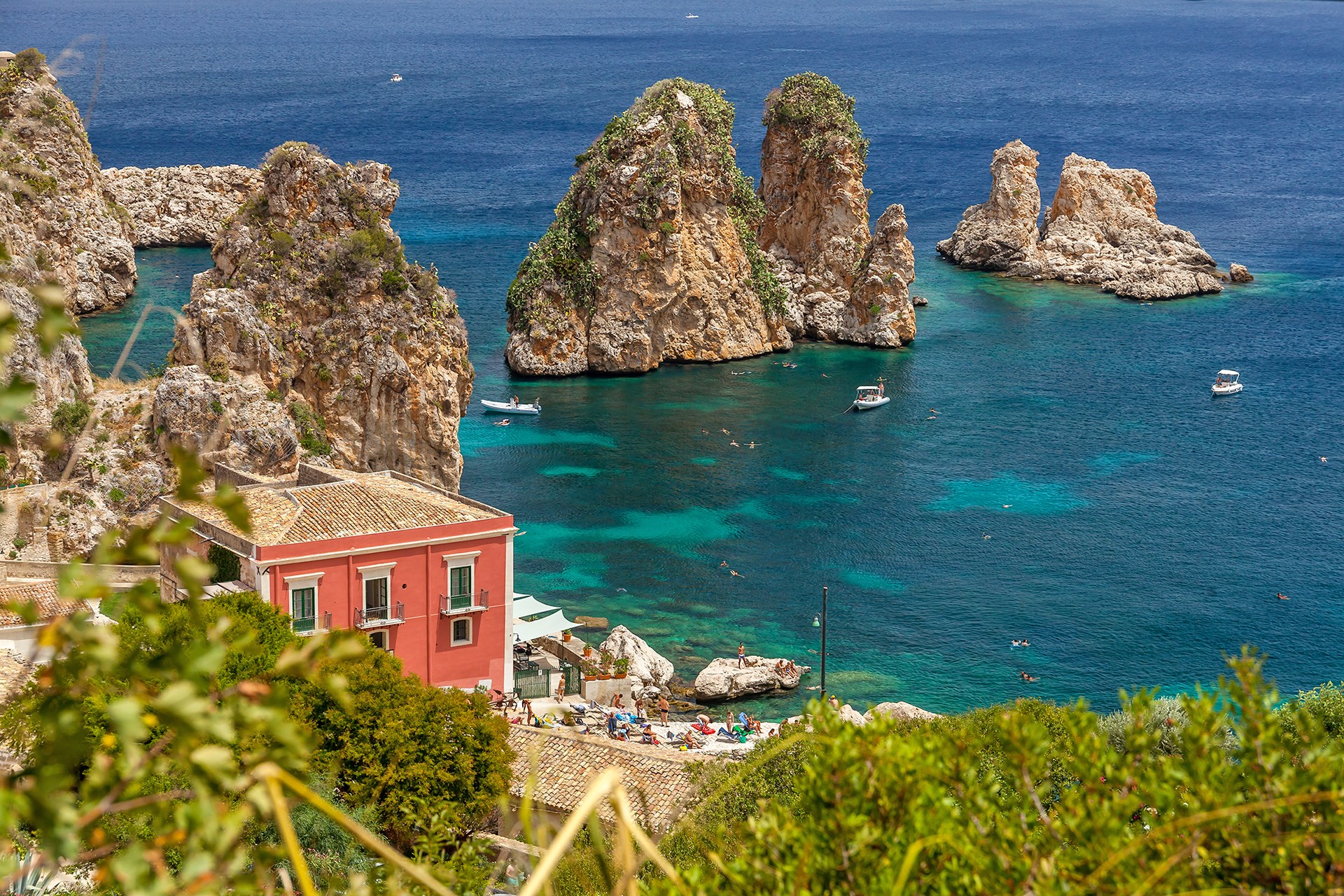
Private boat charters in West Sicily
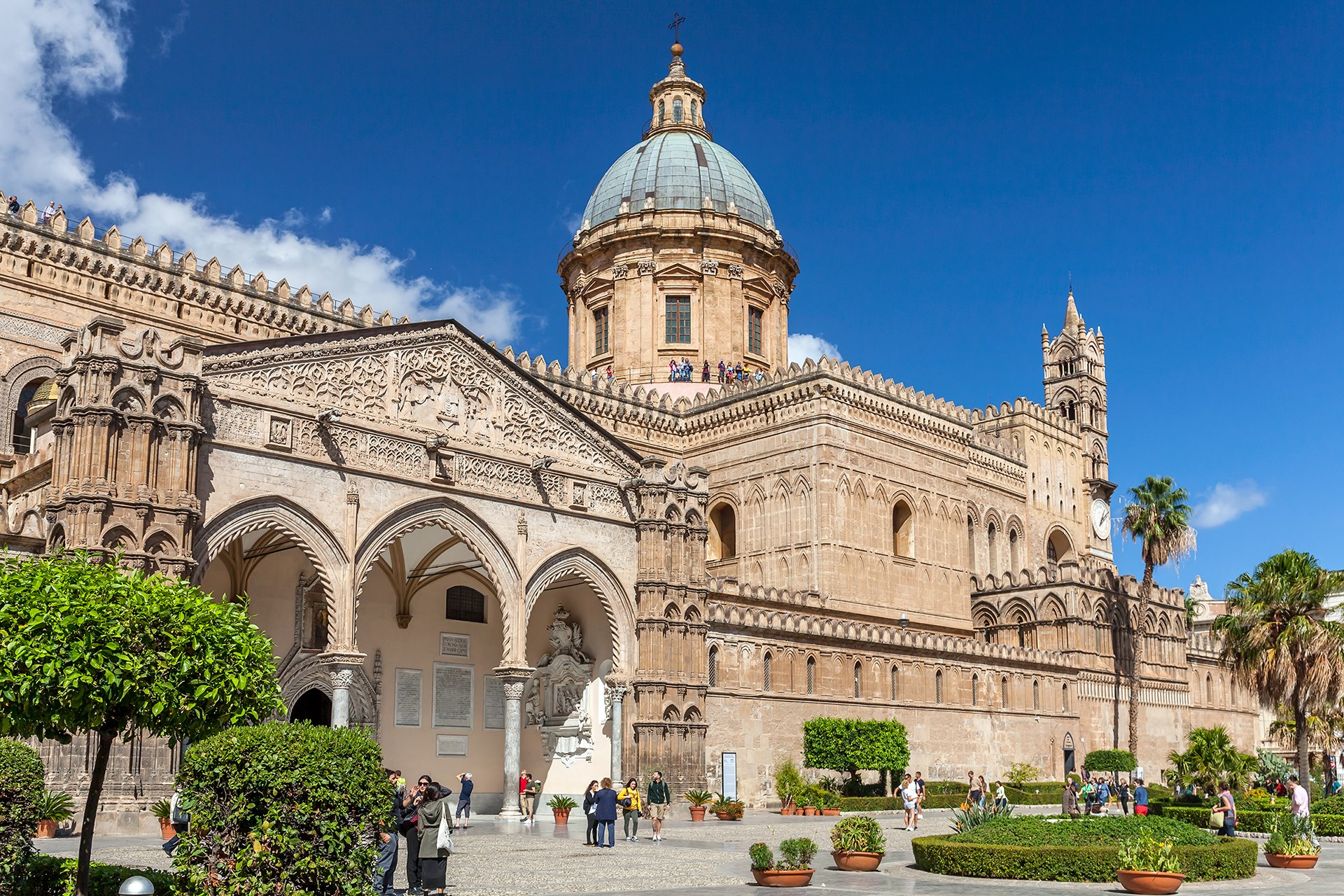
Private guided tours in West Sicily
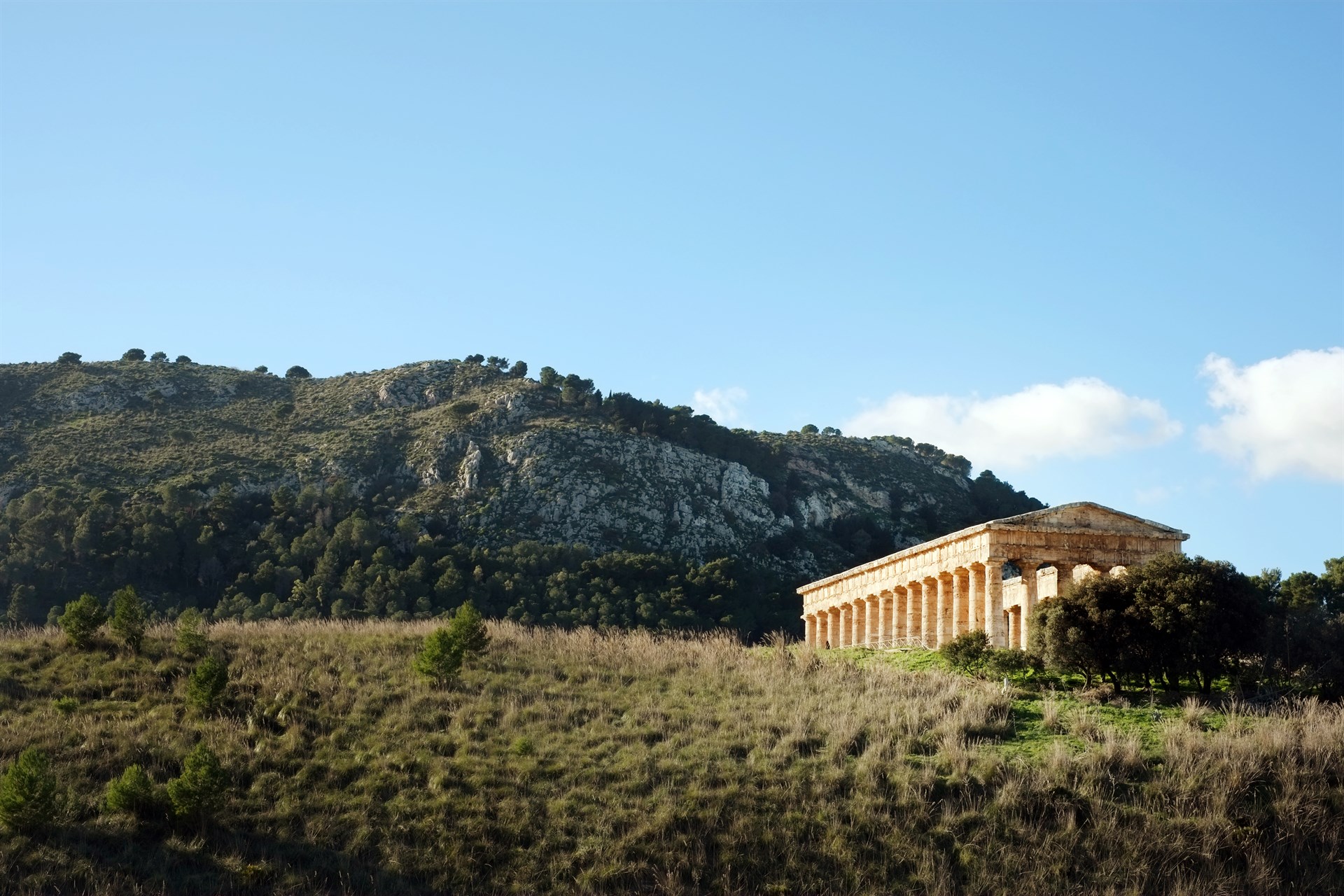
Private Guided Tours in Southwest Sicily
Wine tastings in Southwest Sicily
.jpg)
Bike rental
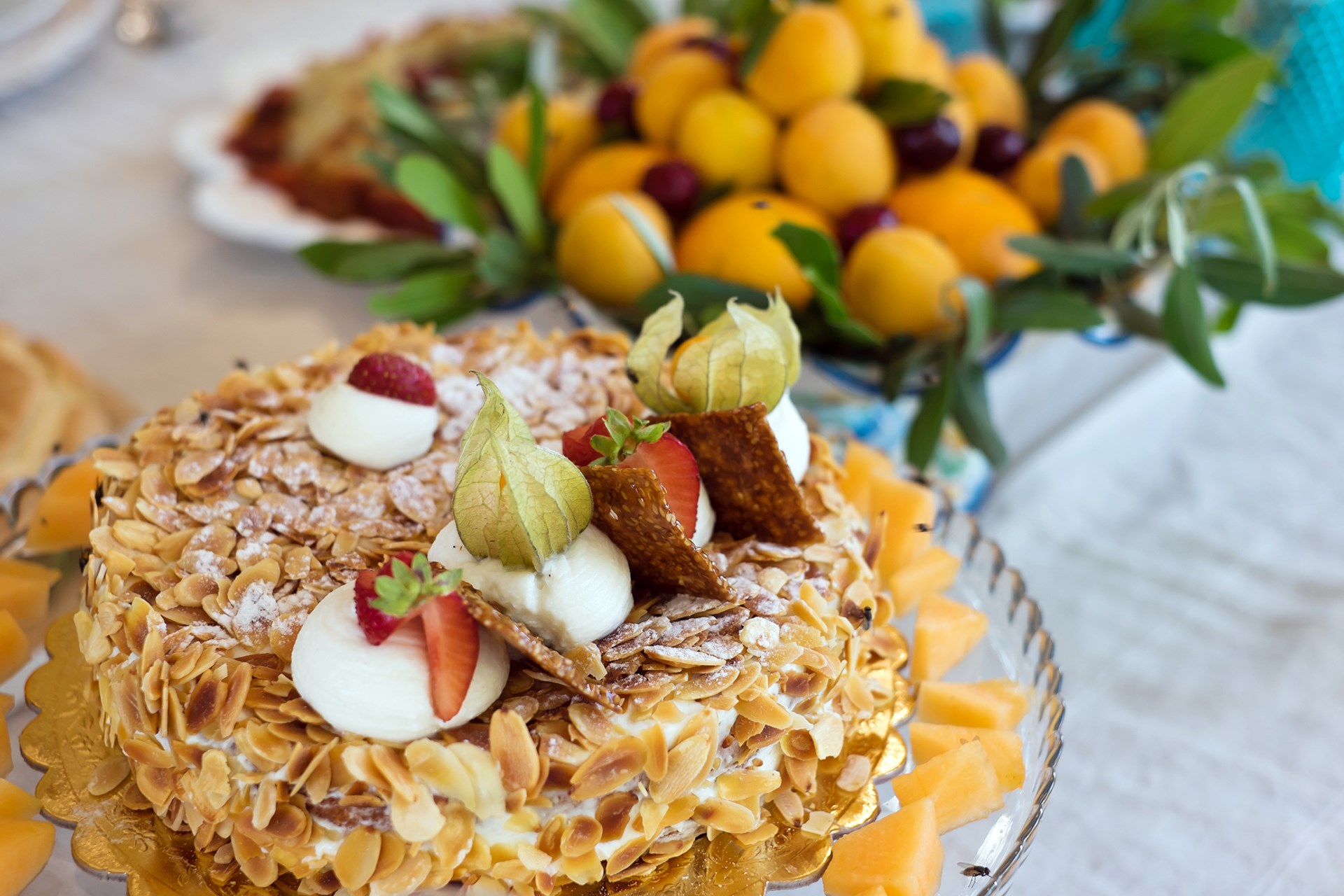
Culinary experiences in West Sicily
Similar Villas

Extraordinary, Exclusive Villas
Our villas are only operated exclusively through us, ensuring award-winning quality of both properties and service. This exclusivity also guarantees secure, 24/7 online booking with real-time availability, meaning you can reserve with complete confidence.
Request Tailored Suggestions