Syracuse and around
Areas of Sicily
Syracuse, once the mightiest city in Magna Graecia, is one of the Mediterranean’s most fascinating towns. Its beating heart is the tiny island of Ortigia, a maze of pretty streets, restaurants, bars, street markets and stunning piazze. Its archaeological site, home to an annual Greek theatre festival, is one of the finest anywhere. Just out of town are sandy beaches, charming seaside villages and the ancient necropolis of Pantalica, which, along with Ortigia, makes up a UNESCO World Heritage Site.

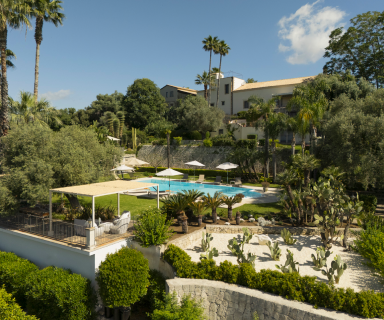
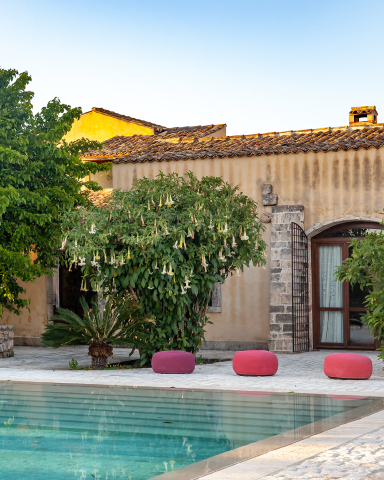


Villa Matchmaking service
Because our local experts have personally visited each of our destinations, we know exactly what makes them special. Tell us what your ultimate villa holiday looks like, and allow us take care of the rest
Exploring the area
Following its defeat of Athens in 413 BC, Syracuse became arguably the most important city in the western world and was home to many a great Greek, not least the great mathematician and scientist, Archimedes. Under the Romans, Syracuse continued to be the most important city on the island.
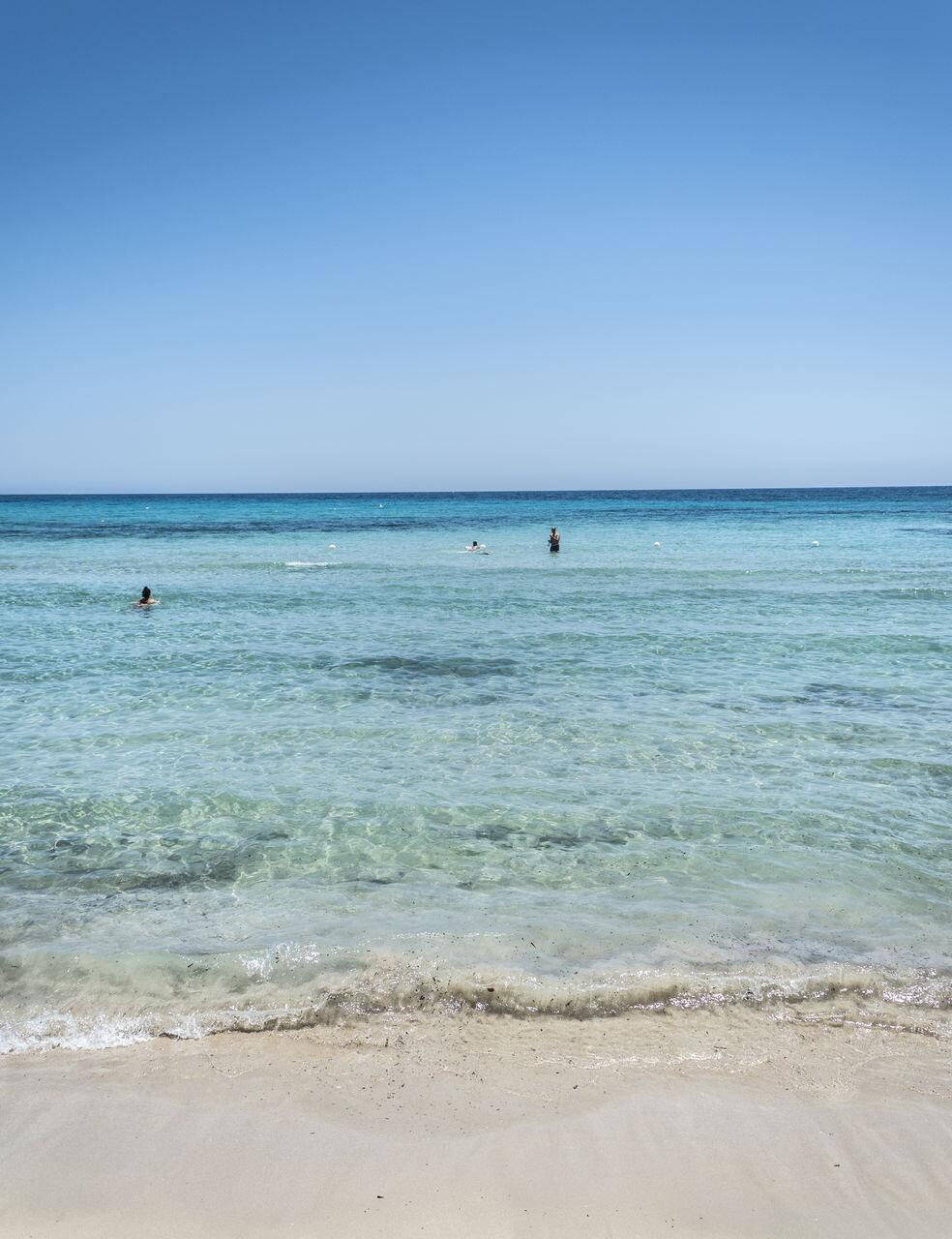
To the west of Syracuse are the empty Iblei Mountains, whose peaks and valleys are home to ancient villages, towns and pre-historic necropoleis, while to the south is the Plemmirio coastal nature reserve and a succession of beautiful beaches, culminating in the golden sands of Fontane Bianche and Gelsomineto.
Things to see and do

- Explore Ortigia: The beating heart of magical Syracuse, Ortigia has much to offer including ancient Greek heritage, baroque beauty, and a vibrant food scene. Visit the wonderful street market to stock up on and try locally produced specialities, including cheeses, cured meats olives and much more. Then take a stroll along the beguiling pedestrianised streets, soaking up over 2,500 years of history, pausing to admire Piazza Duomo (one of the loveliest squares in Italy), the Fountain of Arethusa, and the Temple of Apollo.
- Go back in time: Syracuse's world-class archaeological site is home to a staggering number of well-preserved Greek and Roman remains, including an amphitheatre, a cave known as the Ear of Dionysius, and, most spectacular of all, an amazing theatre, which dates back to the 5th century BC. Its cavea is amongst the largest ever built: its 59 rows could accommodate up to 15,000 spectators. The theatre is still used for an annual Greek theatre festival running from the middle of May to the end of June.
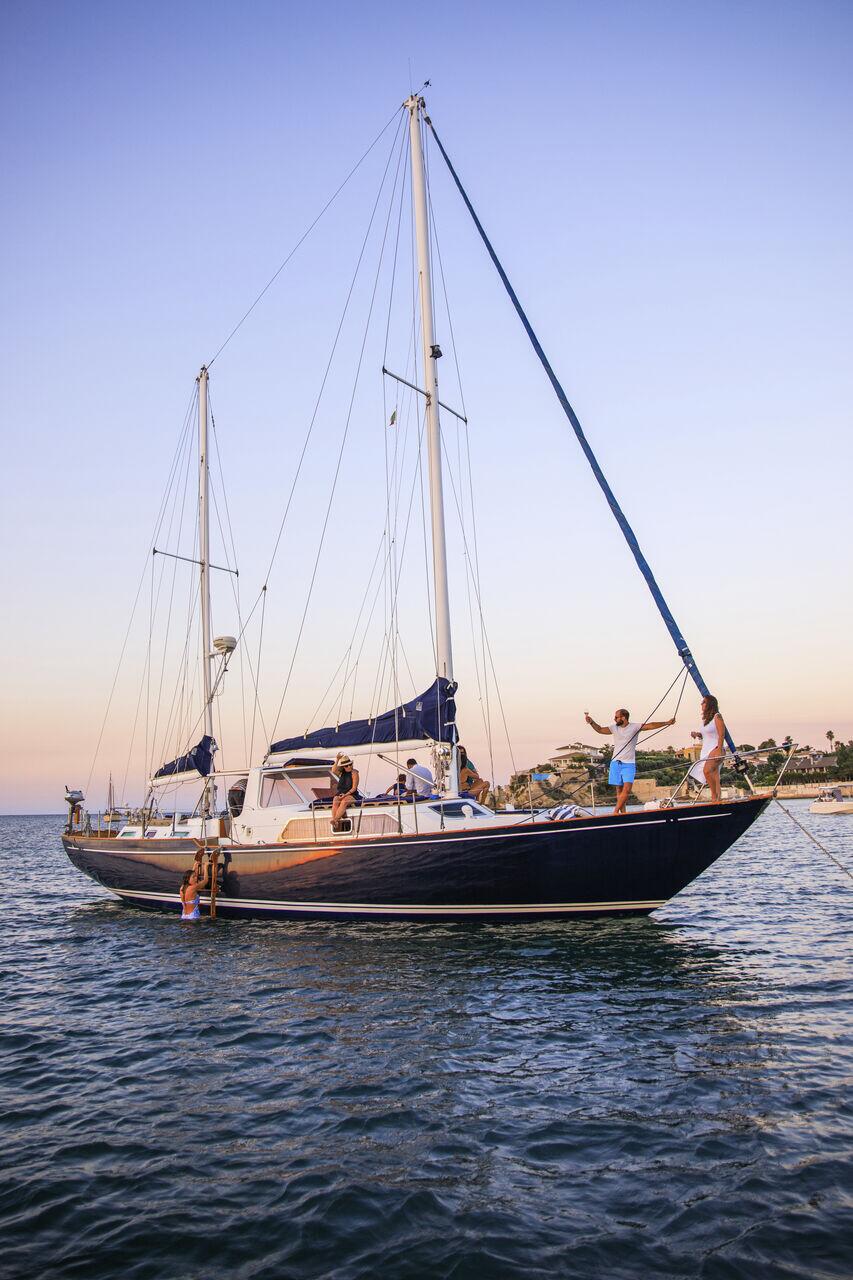
- Cruise along the coast: If you're staying at one of our villas, let us arrange a day's charter so you can explore the area from the water. Your skipper will take you along the coast to the Plemmirio Nature Reserve, where you can dive into pristine, limpid waters, before returning to the bay of Syracuse for an aperitif as the sun sets behind the amazing 13th-century Castello Maniace.
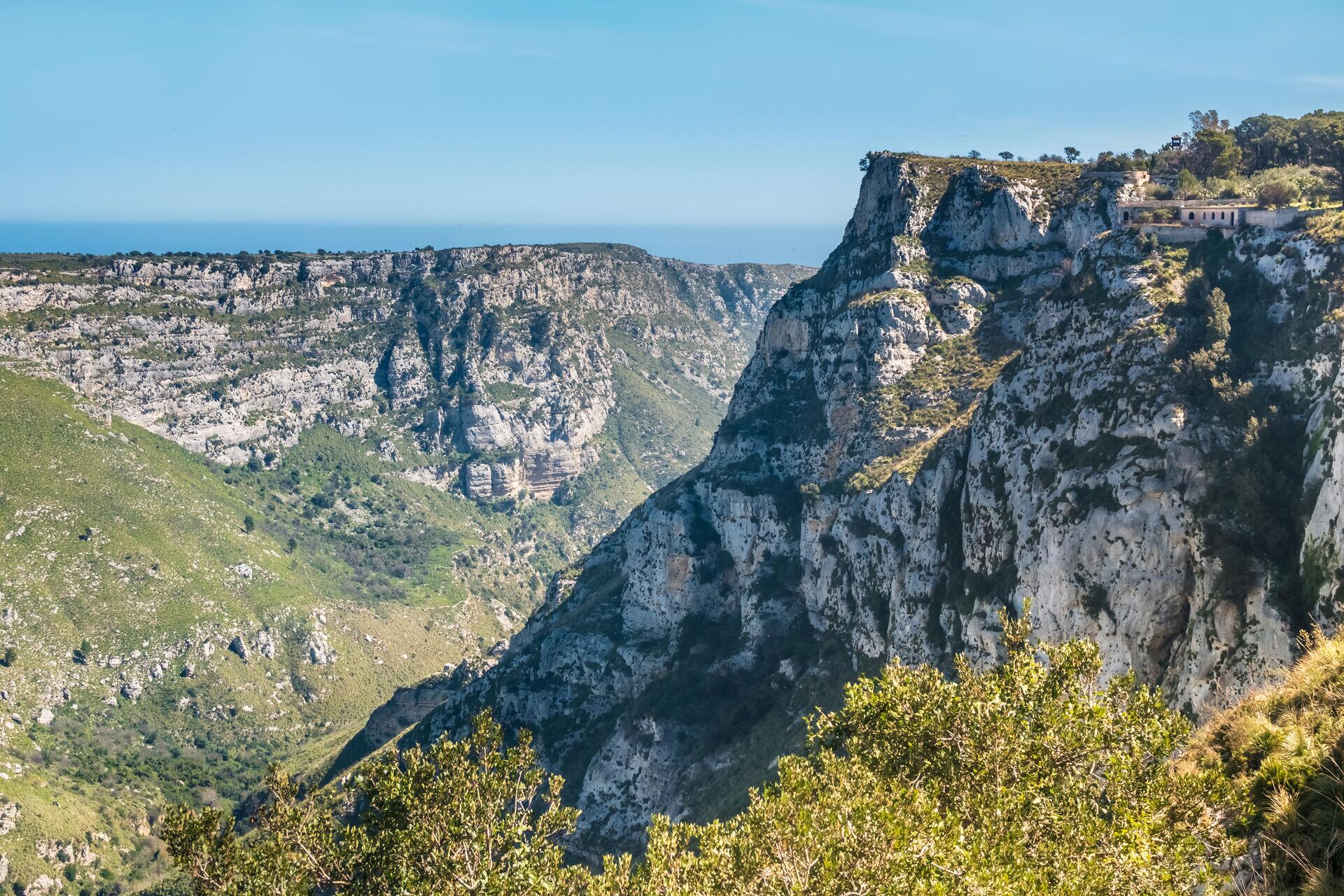
- Head to the mountains: The Iblei Mountains are pretty off the beaten track. You could go hiking around the Rocky Necropolis of Pantalica, explore Syracuse's twin, Palazzolo Acreide, where baroque palazzi and churches rub shoulders with ancient Greek ruins, explore the incredible scenery of the Cava Grande del Cassibile, a 500m deep gorge with a river running through it, and dine on hearty mountain fare in an agiturismo.

Your keys to our house
Sign up to our newsletter for beautiful villas, destinations and things to do
Voted best villa rental company in the World by Condé Nast Traveller’s 2026 Readers’ Travel Awards