The History of Sicilian Emigration: America, Australia and Monterey
The main reasons for Sicilian emigration
Our story begins in earnest 1861, the year Italy became a united country. The new Kingdom of Italy had an uneasy start, especially in the south. The Sicilians had been amongst the first to fight for and believe in the Risorgimento. Garibaldi and his mythical mille had landed in Marsala on Sicily's west coast to begin the process of unification. By the time he arrived at the Straits of Messina, this number had swollen to 10,000.
The hopes of the Sicilians were short-lived, however. The new government introduced heavy taxation and imposed a mandatory seven years of military service. Conscription particularly hit agricultural areas, where young men provided an invaluable contribution to the subsistence farming activities of their families. Rather than sign up to fight, many young Sicilians chose to emigrate in search of a new life elsewhere.
Worse was to come. The government brutally repressed a revolt in Palermo in 1866, and then in 1880, the phylloxera vine blight arrived from France, decimating vineyards across the island. Life was becoming increasingly difficult for those working the land, and a new trade union movement called the Fasci emerged to represent their interests. This too, however, was bloodily repressed by the government in Rome, who sent 30,000 troops to quell the unrest.
Sicily's misfortunes continued relentlessly, and in 1908, a terrible earthquake ripped through Messina, killing 90,000 people and flattening the city. Faced with years of rebuilding, thousands chose to emigrate, mostly to the Americas.
During the build up to the 1 st World War, Italy became increasingly belligerent, ever in search of a military triumph that would validate its claim to be a significant European power. Conscription was once again introduced and, in 1911, Italian armed forces invaded Libya. Rather than fight for their country’s colonial aspirations in the deserts of North Africa, many more thousands of young Sicilian men chose to emigrate.
Social deprivation and natural disasters weren’t the only reasons why Sicilians were emigrating in such large numbers, however. Business, too, played a large role. Already by the mid- to late 19th century, shipping companies had understood that there was money to be made from emigration. They set up offices all around Sicily, even in the most remote parts, and began a publicity campaign extolling the riches on offer for those who emigrated to the United States, South America, and Australia. Crammed with desperate and impoverished Sicilians, liners sailed from Palermo, Castellammare del Golfo and Messina several times a month, headed for the New Worlds.




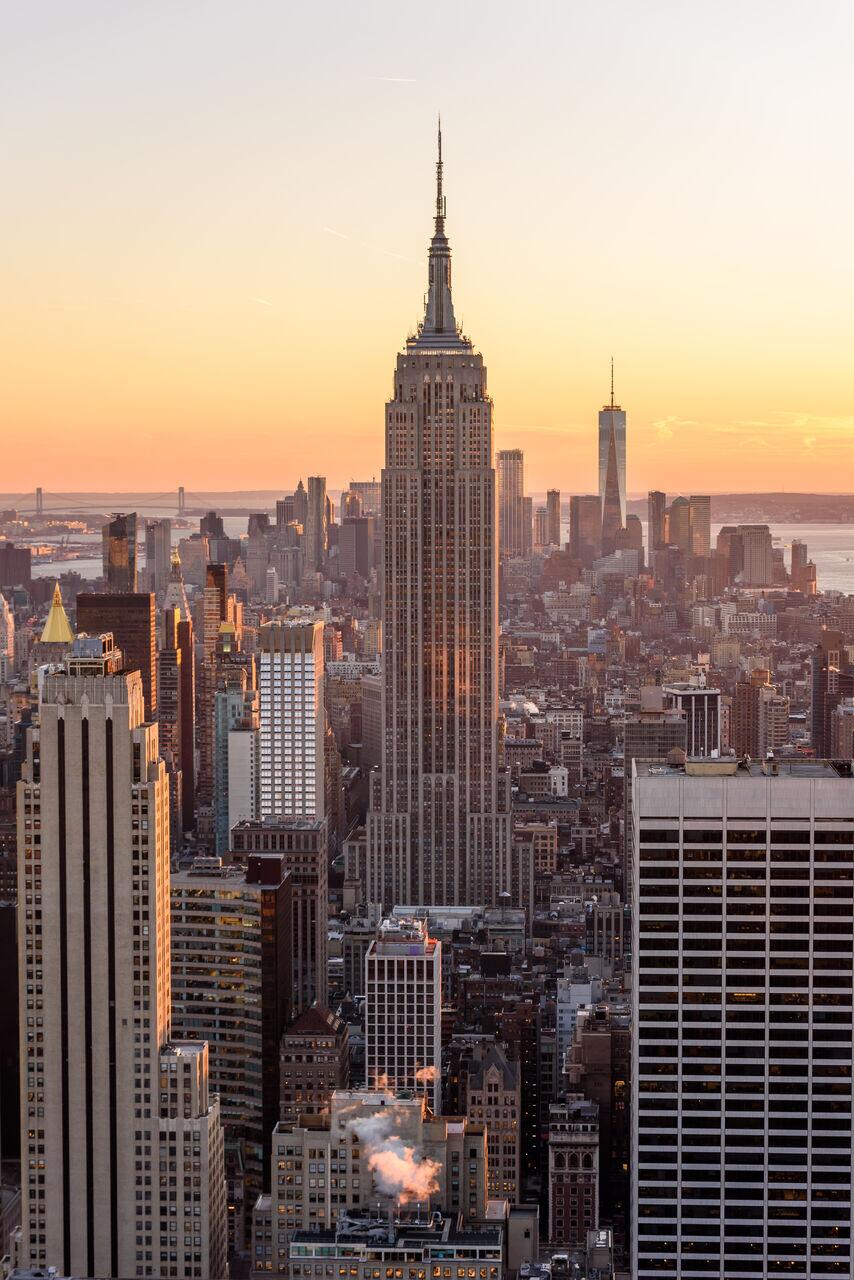
Sicilian emigration to America
On 8th April 1838, Isambard Kingdom Brunel’s steamship, the SS Great Western set sail from Bristol to New York. While not the first steamship to cross the Atlantic, a feat that had been accomplished some years earlier, the SS Great Western was the first steamship designed and built with scheduled trans-Atlantic passenger crossings in mind. The Age of the Steamship had arrived, and it would change the world (and Sicily) beyond recognition.
Globalisation and migration are dominant themes in our jet-propelled, Internet-fuelled contemporary world, but in terms of sheer numbers, the Age of the Steamship has few rivals: between the SS Great Western’s maiden voyage in 1838 and the outbreak of the 1 st World War, trans-Atlantic steamships carried a staggering 30 million European immigrants to the United States. Italy and Sicily contributed significantly to this number: from 1880 to 1920, some 4 million Italians (approximately 10% of the population) made the voyage, and more than a quarter of them were Sicilian. In the first 15 years of the 20 th century, 1,126,513 Sicilians emigrated, with about 90% choosing the United States as their preferred destination. In 1906 alone, some 100,000 Sicilians emigrated to the United States.
The promise of hope
In 1883, Emma Lazarus wrote the following lines, part of her famous sonnet, The New Colossus:
“Give me your tired, your poor, Your huddled masses yearning to breathe free, The wretched refuse of your teeming shore. Send these, the homeless, tempest-tost to me, I lift my lamp beside the golden door!”
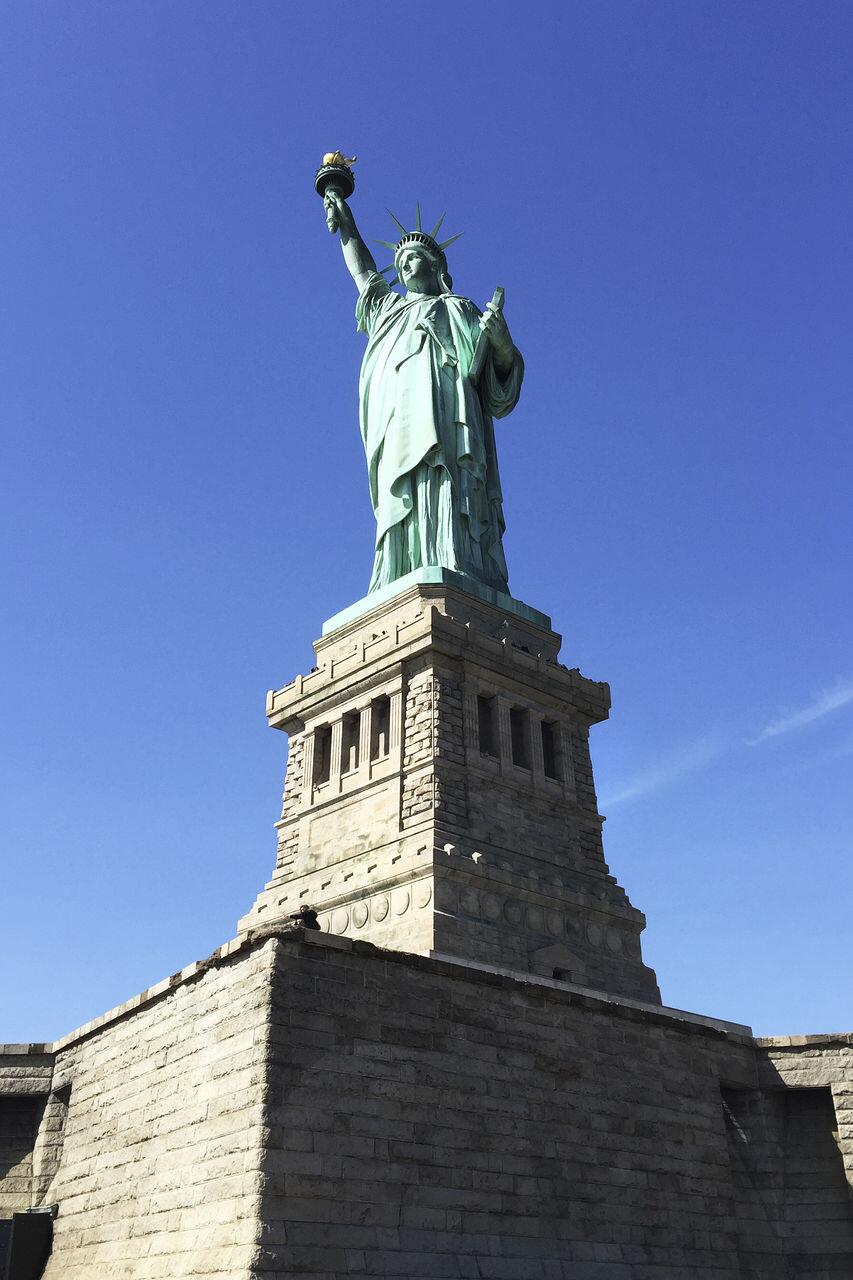
Written to raise funds for a pedestal for the Statue of Liberty, The New Colossus exalted the mythical American dream with propagandistic eloquence: the United States was the land of the free, the land of opportunity, a thoroughly modern country (compared to Europe’s ancient, moribund glories), where anyone could succeed and improve their life.
Hopes dashed
The egalitarian, humanitarian principles embedded in the poem were derided by many Afro-Americans (for obvious reasons), and the vast majority of Sicilians passing through Ellis Island felt no “glow of world-wide welcome” from the Statue of Liberty’s “beacon-hand”.
Indeed, Sicilians were seen as an inferior race, unclean, impoverished, degenerate and criminal-minded. This was not only the opinion of many Americans: immigrants from northern and eastern Europe viewed Sicilians with contempt, as did those from northern Italy. Consequently, Sicilians were given the most menial jobs, were paid the lowest wages, and had to live in some of the worst parts of town. Prejudice against Sicilians was rife and occasionally this verged on the murderous. The most infamous case took place in New Orleans in 1891, when a mob lynched 11 Sicilians who had been acquitted of murdering a local policeman.
Sticking together
Already by the beginning of the 20th century, Sicilian enclaves had sprung up in some of America’s largest cities:
- in New York, Sicilians congregated on East 69th Street and on Elizabeth Street;
- the French Quarter of New Orleans became known as Little Palermo;
- a Little Sicily developed in downtown Chicago;
- North Beach in San Francisco was a Trinacrian hub;
- Boston’s notorious North Street had a distinctly Sicilian feel.
Self-help
As these little communities began to establish themselves, Società di Mutuo Soccorso (mutual aid societies) were founded. New arrivals were helped to find accommodation, a job, and introduced to their new way of life. The Società di Mutuo Soccorso also strove to limit the influence of unscrupulous padroni, well-established Sicilian immigrant middle-men who sourced cheap labour for American employers, wooed their Sicilian compatriots to America, met them off the boat, and took them away to work for free, effectively indentured until they had repaid their padrone for his “services”.
A life of hard work
At first, most Sicilians were employed as miners, factory workers, and hired hands on construction sites or railroad-building projects. Some, particularly women, worked in the textile industry and in clothes manufacturing.
In Boston and San Francisco, there was work to be found on the fishing fleets and on the waterfront, while in the southern states of Louisiana and Texas, farmhands were in constant demand.
Moving up in the world
As their communities grew stronger, Sicilians began to open grocery stores, osterie and simple eateries. Small makeshift theatres and music halls provided a little traditional entertainment. Sicilian clubs were founded, often taking the name of a patron saint from back home, and parades were organised on feast days. Darker, more sinister organisations emerged as well, another reason why Sicilians were viewed with suspicion.
New linguistic horizons
The Sicilian communities that formed across America had little need to learn English. Most didn’t speak Italian, but rather Sicilian, or a dialect of Sicilian unique to their village of origin. This was not just a Sicilian phenomenon, however: when Italy was united in 1861, it is estimated that only 2.5% of the population of the new kingdom could speak the national language.
Sicilian immigrants did assimilate English words, though, creating in the process a kind of pidgin language, known as Siculish. English lexis was given the Sicilian treatment, and soon friends and family were arriving from Sicily on the ferribottu (ferry boat) with the aim of finding a giobbu (a job) or doing bissinissi (business). If all went according to plan, they would be able to afford a house with an inside bathroom rather than a beccasu (backhouse or outhouse), a friggitèra (a fridge), and a dràiu-uè (driveway), in which they could park their carru (car).
Making it big
Some of the early Sicilian immigrants were quick to shake off the shackles of poverty, prejudice and drudgery and make names for themselves in American cultural and business circles.
Nick La Rocca, a jazz trumpeter, was born in New Orleans in 1889 to parents from Salaparuta and Poggioreale in central Sicily. He became one of the outstanding jazz musicians of his generation and joined the renowned Original Dixieland Jazz Band, the first jazz group to make commercial recordings (in 1917).
Over in New York, Vincenzo La Rosa, a native Sicilian, began making pasta in the back of his Brooklyn butcher’s shop. By 1913, he had founded the La Rosa and Sons Macaroni Company, which produced, packaged and distributed pasta throughout the eastern states. Vincenzo was one of the first Sicilian-American self-made millionaires.
Dreaming of home
Many Sicilians, particularly those who arrived in the United States in the first 15 years of the 20th century, had no intention of staying in La Merica permanently. Indeed, significant numbers (some estimate up to 50%) returned home as soon as they had made enough money to buy some land, build a house, and provide for their family. When these so-called birds of passage did eventually arrive back in Sicily, their relative riches inspired others to dream the American dream.
Keeping the home fires burning
Sicilian immigrants in the United States sent money home to relatives, and these cash injections became vital for the Sicilian economy, much in the same way that the economy of the Philippines today relies heavily on remittances from its overseas foreign workers. Emigrant Sicilians also invested in Italian government bonds.
Sicilian emigration to America slows
With the outbreak of the 1st World War, Sicilian immigration into the United States relented. Then, in 1917 and 1924, two Immigration Acts were passed by the US Congress.
The first excluded illiterate immigrants from entering the country and compelled shipping companies to carry out literacy tests and medical examinations on would-be emigrants before allowing them to embark. Anyone considered illiterate, epileptic, feeble-minded, insane, or carrying contagious diseases, was classified as “undesirable”. The list of undesirables also included criminals, polygamists, prostitutes, and political radicals, such as anarchists. Most Sicilians at that time (certainly those wishing to emigrate) fell into the “illiterate” bracket, and the numbers leaving Sicilian shores for America decreased.
The Immigration Act of 1924, meanwhile, imposed strict quotas on immigration depending on the country of origin. After the quota system was introduced, the number of Italians allowed to enter the US dropped to around 6,000 per year. Unable to follow in the trans-Atlantic wake of their forefathers, Sicilians looked elsewhere for opportunities.
What have Sicilian immigrants ever done for the USA?
The legacy of Sicilian immigration into the United States is huge. Millions of Americans have some Sicilian blood coursing through their veins, and there are few areas of American life that have not profited from some kind of Sicilian input, whether it be the arts, business, sport, politics, architecture, the sciences or cuisine. Here’s a compact roll-call of Sicilian-American icons and pioneers:
- Joseph Barbera, animator and co-creator of The Flintstones, Yogi Bear, Top Cat and Scooby-Doo (his mother was from Sciacca);
- Chazz Palminteri, actor (his grandparents emigrated to the US from Menfi);
- Steve Buscemi, actor (his ancestors hailed from Menfi);
- Frank Capra, director (born in Bisacquino, between Palermo and Sciacca - he emigrated to the US with his family in 1903, aged 5);
- Al Pacino, actor (his father was from San Fratello in the Nebrodi Mountains, his mother’s parents were from Corleone);
- Martin Scorsese, director (his father was from Polizzi Generosa in the Madonie Mountains, his mother’s family from Ciminna, near Palermo);
- Frank Sinatra, singer and actor (his father was from Lercara Friddi, in the mountains between Palermo and Agrigento);
- Lady Gaga, singer (her grandparents were from Naso, near Messina);
- Joe DiMaggio, baseball player, husband of Marilyn Monroe (his parents were from Isola delle Femmine, near Palermo);
- Rosario Candela, architect, who designed over 70 buildings in New York in the 1920s and 30s (born in Montelepre, near Palermo);
- Michael Massimino, NASA astronaut on two Space Shuttle missions (all four of his grandparents were from Sicily, three from Palermo, one from Linguaglossa on the northern flanks of Mount Etna).
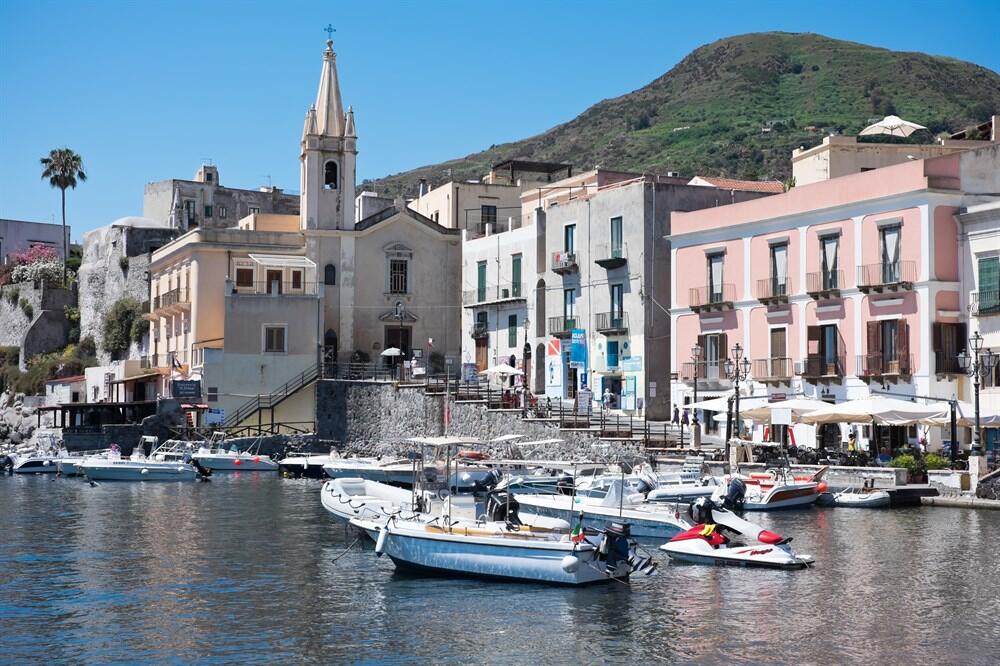
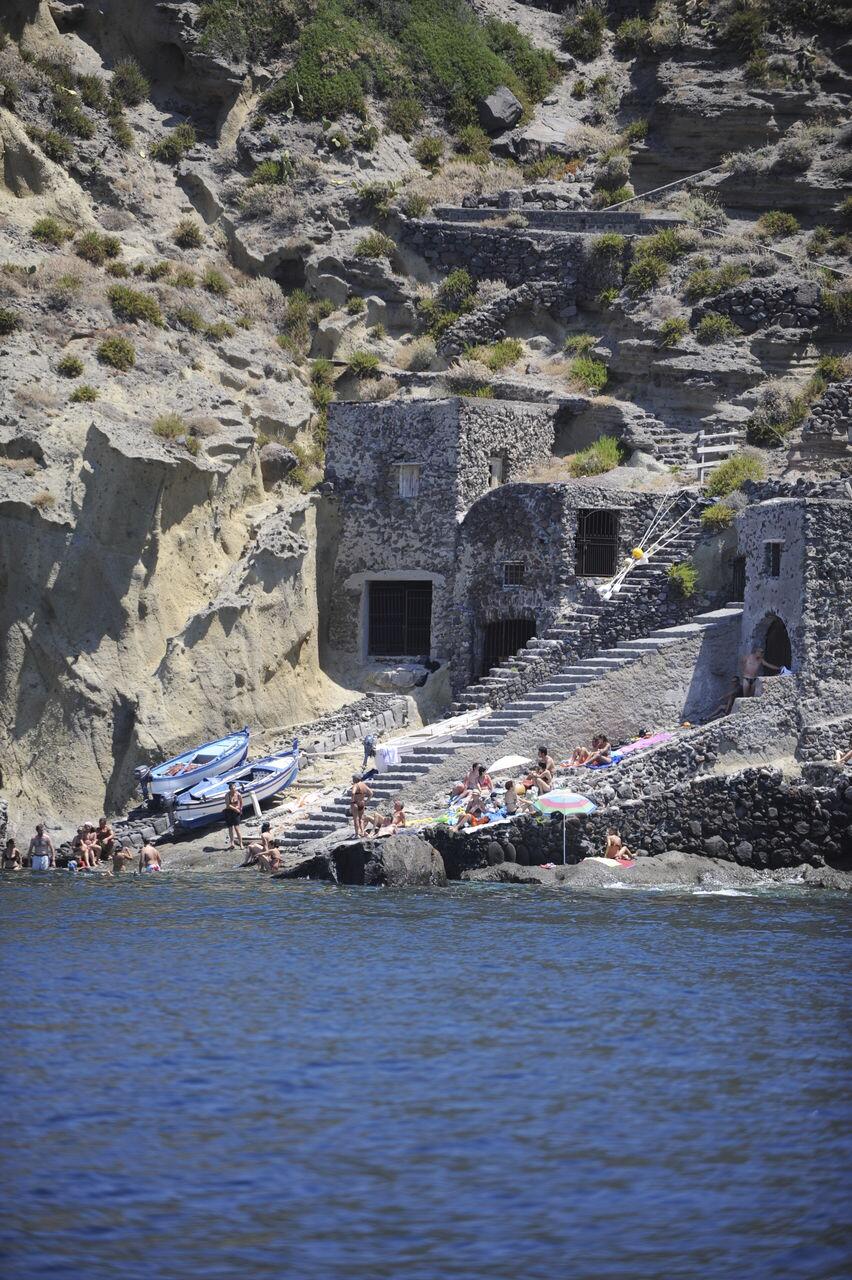
From the Aeolian Islands to Australia
Another well-trodden route for Sicilian emigrants was the 15,000km journey from the Aeolian Islands to Australia.
If you ever meet someone called Bartholomew in Australia, odds are that he has Italian ancestry. To be more precise, his parents, grandparents or great-grandparents probably hailed from the Aeolian Islands, that paradisiacal archipelago off Sicily’s north coast. San Bartolomeo (St Bartholomew) is the patron saint of the islands and a great many Aeolian boys take his name.
Today, around 15,000 Aeolian Islanders live in Australia. If you include second- and third-generation immigrants, the number rises to around 30,000, which is more than double the population of the islands themselves. How did this come about? And what impelled so many natives of Lipari, Salina, Vulcano, Panarea, Stromboli, Alicudi and Filicudi to travel so far in search of a new life?
Economic decline in the Aeolian Islands
In the 1870s and early 1880s, the economy of the Aeolian Islands was in good shape. A flourishing merchant fleet sailing out of Lipari carried merchandise between Sicily and Naples, and the pumice quarries were booming.
Even more important to the economy was wine-making, an activity that had been a constant for some 3,000 years, ever since Mycenaean settlers arrived and planted the first Malvasia vines there. Malvasia and other wine was exported throughout Italy and Europe and its production provided employment and income for a great many families.
From the mid-1880s, however, these three economic pillars began to crumble. A railway line was built between Reggio Calabria and Naples, significantly reducing the need for maritime trade links between Sicily and Naples and rendering the islands' merchant fleet virtually redundant. Then, the company charged with the excavation and exportation of pumice went bankrupt. Finally, disaster struck in the wine industry when the dreaded phylloxera blight arrived in Sicily in 1878, and a nail was driven deep into the coffin.
Most islanders were left with little choice but to emigrate in search of work. In 1891, over 200 inhabitants left their homes on Salina (the main wine-producing island). Others would soon follow, and by 1914, it’s estimated that nearly 10,000 Aeolian Islanders, about one third of the overall population, had emigrated. Most went to the United States, but over 700 chose Australia and there were already enough Aeolian Islanders living in Sydney by 1903 for them to found a social club there, the Circolo Isole Eolie.
The post-war emigration phenomenon
Emigration was frowned upon by Mussolini, and the number of Aeolian Islanders who left in the 1930s dramatically reduced. After the 2nd World War, however, the flow resumed in greater numbers than ever before.
At the end of the 1940s, the Australian Immigration Minister, Arthur Calwell introduced an assisted immigration programme, effectively a massive labour recruitment drive to find workers for the country's enormous infrastructure projects and burgeoning agricultural sector. Calwell signed an agreement with the Italian government (as well as other nations) by which the Australian government would subsidise the cost of the sea passage for those prepared to make the arduous journey to the Antipodes. The Aeolian Islanders jumped at the chance and in 1951 alone, 7,000 of them arrived in Australia.
Calwell’s agreement remained in place until 1971, by which time, the first-generation, Italian-born immigrant population of Australia had risen massively from around 33,000 in 1949 to nearly 290,000 in 1971 (according to the census of that year). A significant proportion was of Aeolian origin.
Who left the Aeolian Islands for Australia - two case studies
Usually it was men (and teenage boys) who emigrated first, leaving behind wives, children and parents. Once established in their new homeland, they would bring out their families, or go back to home, marry, and return to Australia with a bride. Here are two typical stories that highlight the phenomenon of this chain migration:
• the first involves Bartolo (short for Bartolomeo - remember that name?) Virgona, who emigrated from Salina to Australia in 1890, the year the phylloxera parasite arrived. He set up as a fruit seller in Melbourne and two years later, his wife, Bartolina, and son, Vincenzo, joined him. Bartolo and Bartolina went on to have three more children, including Lena, who married another immigrant from Salina, Antonio Santospirito. In a parallel story, Antonio had arrived in Australia with his mother in 1897, aged five. His father, like Bartolo, had arrived alone several years earlier and opened a flower shop in Melbourne.
• our second story is documented on the website of the National Archives of Australia. Aged 19, Rosina Natoli left Lipari with her mother, sister and cousin in 1931. Her brother, Bartolo (that name again), met them off the ship at Melbourne harbour and introduced them to a friend of his, Marino Casamento, originally from Vulcano. Soon, Rosina and Marino were married. They opened a fruit shop in Melbourne and spent the rest of their lives in Australia. On the incoming passenger list of the ship (The Palermo) that brought Marino to Sydney on 25th September 1925, one can make out the names of seven others who embarked with him at Messina: Gaetano Barbuto, a farm labourer; Giovanni China, a shoemaker; Salvatore Campisi and Santo Caratozzolo, both fishermen; Angelo di Marco, a hairdresser; and Emanuele Santospirito, a trader. Their stories remain untold, but we know that Marino would become a pillar of the Aeolian community in Melbourne and president of the city's Aeolian Islands Society, originally founded in 1925.
What did Aeolian and Sicilian migrants in Australia do?
In the early part of the 20th century, many Sicilian migrants put their fishing skills to good use and joined the fleets of the Illawarra area, just south of Sydney. However, the majority headed to the agricultural hub of the Murrumbidgee Irrigation Area, due west of Sydney.
The cultivation and sale of fruit and vegetables seem to have been an area of expertise for Aeolian Islanders, and it wasn't long before they (and other Sicilians) owned many of the market gardens and farms of Riverina, a vast agricultural area that spans the border between New South Wales and Victoria. Today, some 60% of the population of Riverina is of Italian origin, and many of these are of Aeolian extraction.
One prominent example of this is Frank Aloysius Costa. Born in Geelong, near Melbourne, Costa's great uncle, George Virgona, had arrived in Australia from Salina in the 1880s. In 1888, he opened a greengrocer's in Geelong, called the Covent Garden Food Store. The shop was passed on to Costa’s father in the 1920s, before Costa himself took over the business in the 1950s, building it up into the largest grower, wholesaler and exporter of fruit and vegetables in Australia.
Not all first- and second-generation Aeolian immigrants worked in the fruit and vegetable business, of course, and there is a long list of success stories in other fields too. That includes Supreme Court judges, newspaper editors, government ministers, lawyers, engineers, entrepreneurs and stars of show business, such as Natalie Imbruglia, whose father hailed from Lipari.

The Marettimari of Monterey
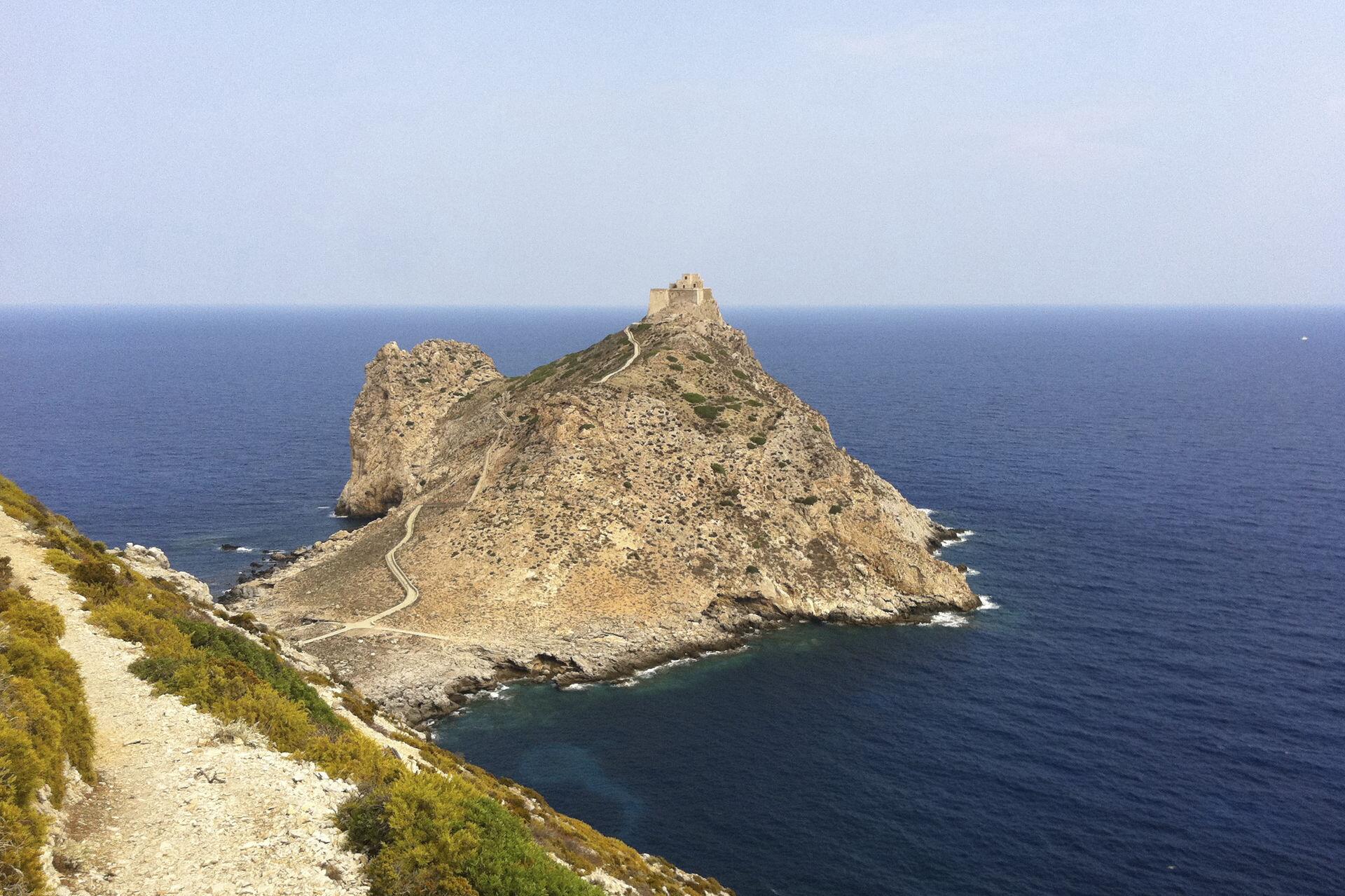
At the end of the 19th century, life on the tiny island of Marettimo was hard. In truth, it had always been, but as the fin di siècle loomed, the inhabitants of the most remote and isolated island of the Egadi archipelago were close to starvation.
Emigration to an unexpected destination
No one seems to remember exactly how it happened or who was first, but around the beginning of the 20th century, a small group of islanders decided they had no choice but to leave Marettimo and seek their fortune elsewhere. They didn’t just go to Palermo, however, and neither did they choose the north of Italy. Instead, they travelled almost 9,000km to the freezing wilds of Alaska.
There, on the other side of the world, in an environment that could scarcely have been more different from their sunny Mediterranean island, the adventurers from Marettimo were soon putting their fishing expertise to good use in the salmon-rich estuaries and rivers of the USA’s most northerly state. The local Alaskan bears were about to get a run for their honey!
A chain reaction
Word arrived back in Marettimo that though the work was hard and the weather was inhospitably cold, the money in Alaska was good. Fathers sent for sons and uncles for nephews and soon a large proportion of the island's male population had slung their hooks and re-cast them in far-off waters. Women and children mostly remained on Marettimo, keeping the home fires burning with wood bought with the money their distant menfolk sent home.
California-bound
But the salmon-fishing season in Alaska was short, hard and remunerative only to a certain extent. The cold Sicilians headed south to warmer climes, settling (again no one quite remembers how or why) in Monterey, California. Over the course of the 20th century entire families arrived there from Marettimo in search of a better life. For most of the year they fished for sea bass, tuna and giant squid in the vast Pacific but they never missed their two-month appointment with the salmon in Alaska.
Soon the population of Marettimari in California dwarfed that of Marettimo itself. More and more money was sent home, allowing those who had remained to build comfortable houses and fund small businesses. Indeed, the village of Marettimo we see today, along with the fishing boats that bob in its harbours, were largely built and bought with 'American' money.
A return to Marettimo
The migratory flow was not all one way, however. 65-year-old Peter, whose parents left Marettimo when he was ten, returned to his native island after over 50 years of American life. His son remained in Monterey, but his daughter happened to fall in love with a young Marettimare and moved back, lock, stock and barrel, to her grandparents’ homeland.
Despite the excellent quality of life, the financial rewards, and the Californian comforts of Monterey, Peter's story is not uncommon, and a significant part of the island’s population today is made of up 'Americans'.
Some arrive back just in time to die, many others spend all their retirement years there, enjoying the quiet life of their spiritual home, fishing (because they can never give that up) and making up for lost time. With an irony that is not lost on the locals, this atavistic urge to return home is not dissimilar to that of the salmon that the Marettimari travelled so far to catch.
A moving, annual homage to the past
Still today, many Marettimari, such as Franco Il Pirata, owner of one of the island’s restaurants, travel from their Mediterranean home to Alaska for the salmon-fishing season. Their journey is not motivated by financial gain, however; their trips are pilgrimages, whereby they symbolically keep alive a tradition and pay homage to their forefathers, who sacrificed so much to keep Marettimo alive.


We're Villa Matchmakers
Because our local experts have personally visited each of our destinations, we know exactly what makes them special. Tell us what your ultimate villa holiday looks like, and allow us take care of the rest.