Mount Etna
Europe's highest active volcano
An introduction
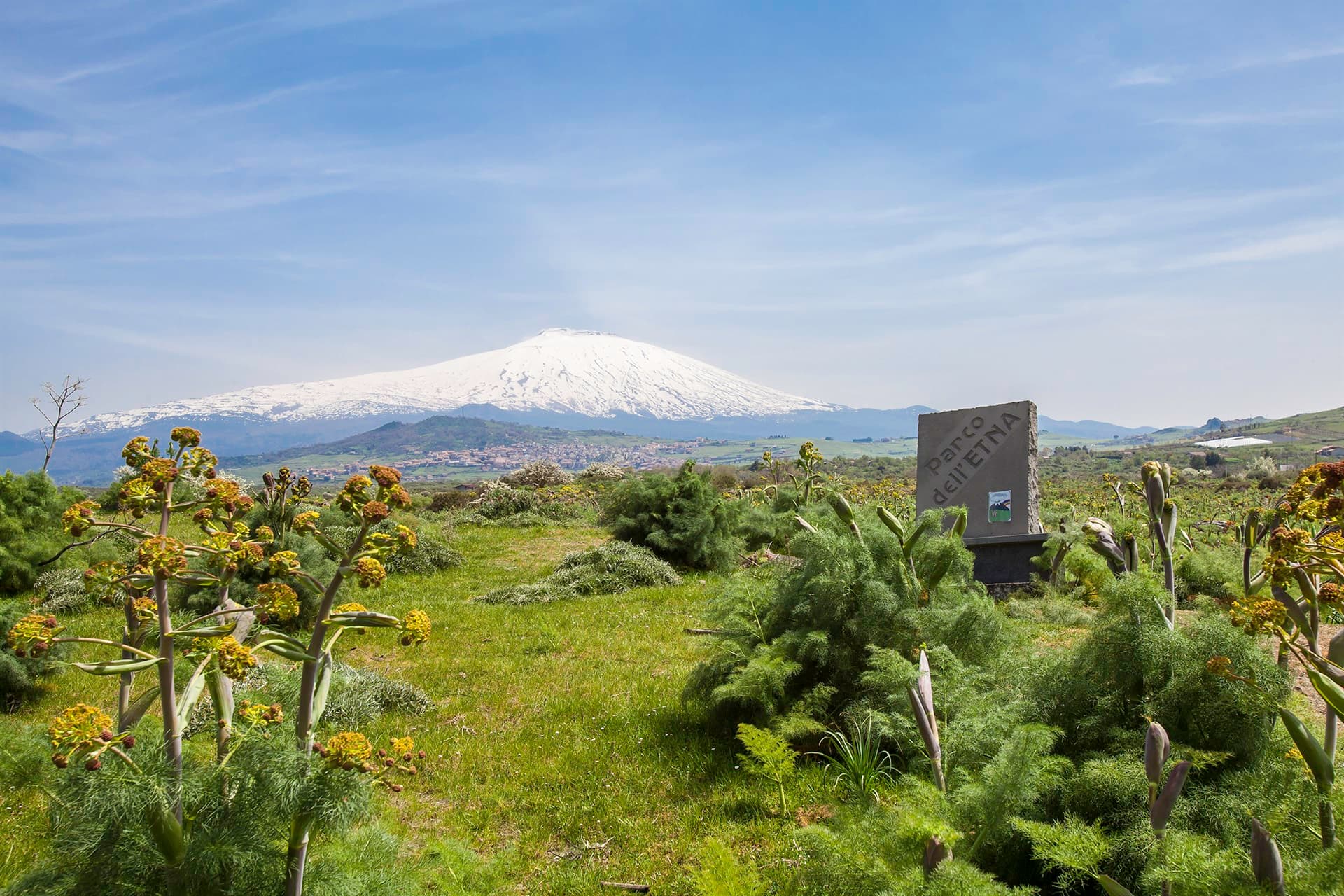
Mount Etna, Europe’s highest active volcano at around 3,400m, dominates Sicily’s east coast and has literally shaped the area for some 600,000 years.
It's not just Etna's height that is striking (and ever changing - it grows or contracts with each eruption), but also its sheer vastness. Its circumference runs for 140km, and its massive bulk covers 1,200km2. And if that wasn't awe-inspiring enough, it's been erupting (on and off) for longer than any other volcano on the planet.
It is home to a vast variety of landscapes, from crater-topped lava fields and smoking fumaroles to dense pine and birch forests and vineyards.
Flanking its slopes are numerous picturesque towns and villages, each one preserving Etnean customs, traditions and ways of life.
As of May 2013, Mount Etna has been protected as a UNESCO World Heritage Site, thanks to it being "globally recognized on basis of its notoriety, scientific importance, cultural and educational value, superlative natural phenomena and exceptional aesthetic importance as iconic volcanic site."
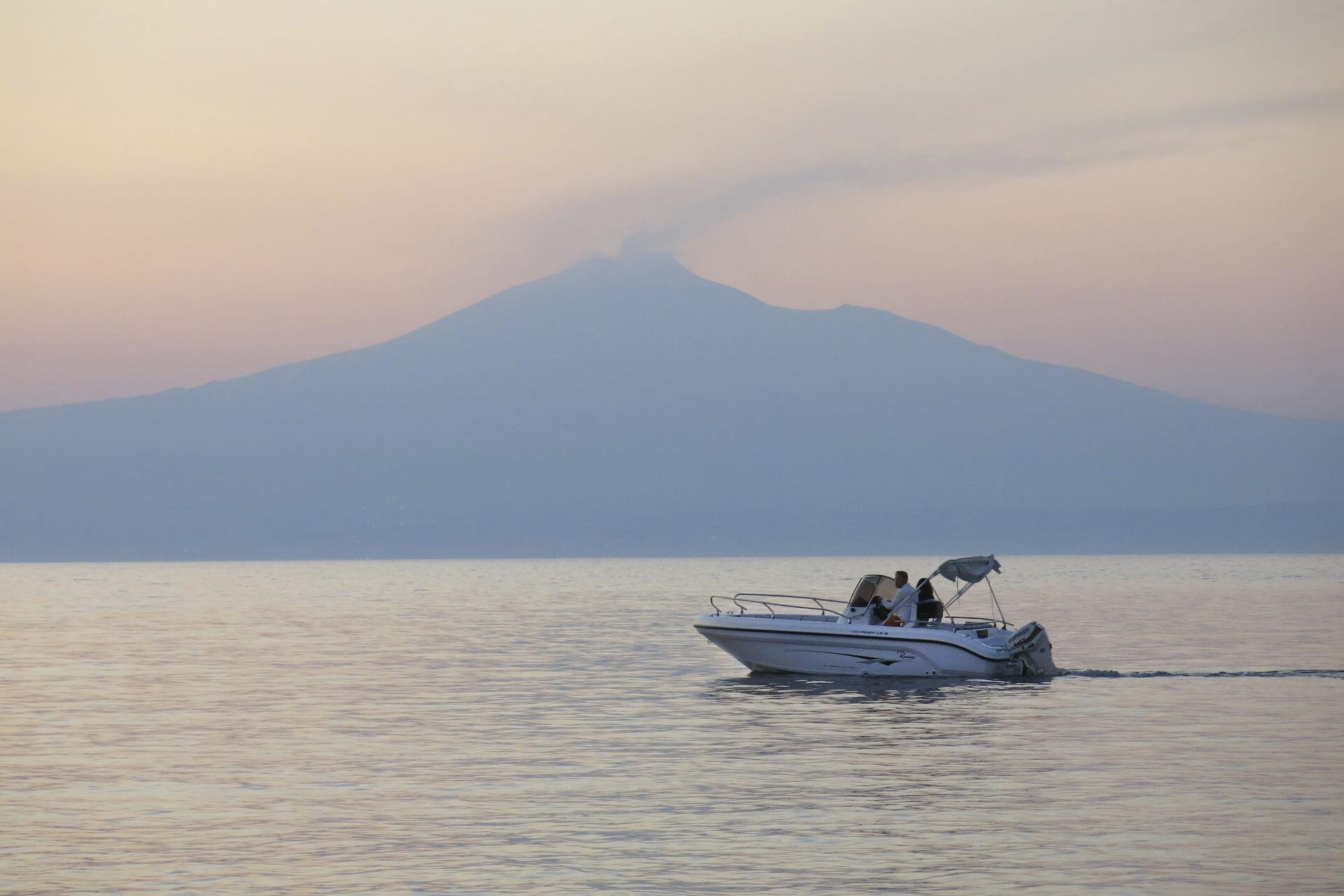
Etna dominates eastern Sicily's skyline, no matter where you are.
2,700 years of eruptions
“A’ Muntagna” - “the mountain” in local dialect - has always dominated the lives of those who live in its shadow.
Its lava flows and dust clouds have brought destruction, but they have also enriched the soil, transforming the lower slopes and the surrounding plains into some of the most fertile areas of Sicily. Vast expanses citrus groves flourish as far as the eye can see, vineyards prosper from the mineral-rich soil, and pistachio trees thrive in the area around Bronte on the western flanks. In the last few years, farmers and market gardeners have started producing excellent avocados.
Mount Etna's eruptions have also provided an inexhaustible supply of building material. Entire towns and villages, from the houses, churches and municipal buildings, to road surfaces, walls and sea defences, are built out of lava stone. The old town centres of Catania and Acireale are masterpieces of volcanic architecture.
Mount Etna's periodic eruptions have been well documented throughout history, from the tales of Pindar and Virgil to the modern-day. 1669 saw one of the largest eruptions, and so much lava flowed down to the coast that Catania's harbour was completely filled in. Much of the shoreline running north between Catania and Naxos is volcanic, perhaps most impressively at Aci Castello and Aci Trezza, where massive lava stone sea stacks emerge from the water.
More recent volcanic events have been spectacular in their nature, though quite safe as they've all started far from inhabited areas.
Whenever Etna erupts, journalists and travellers arrive from all over the world to admire (from a safe distance) the unique sight of the smoking craters and snaking lava flows, which are visible from miles away.
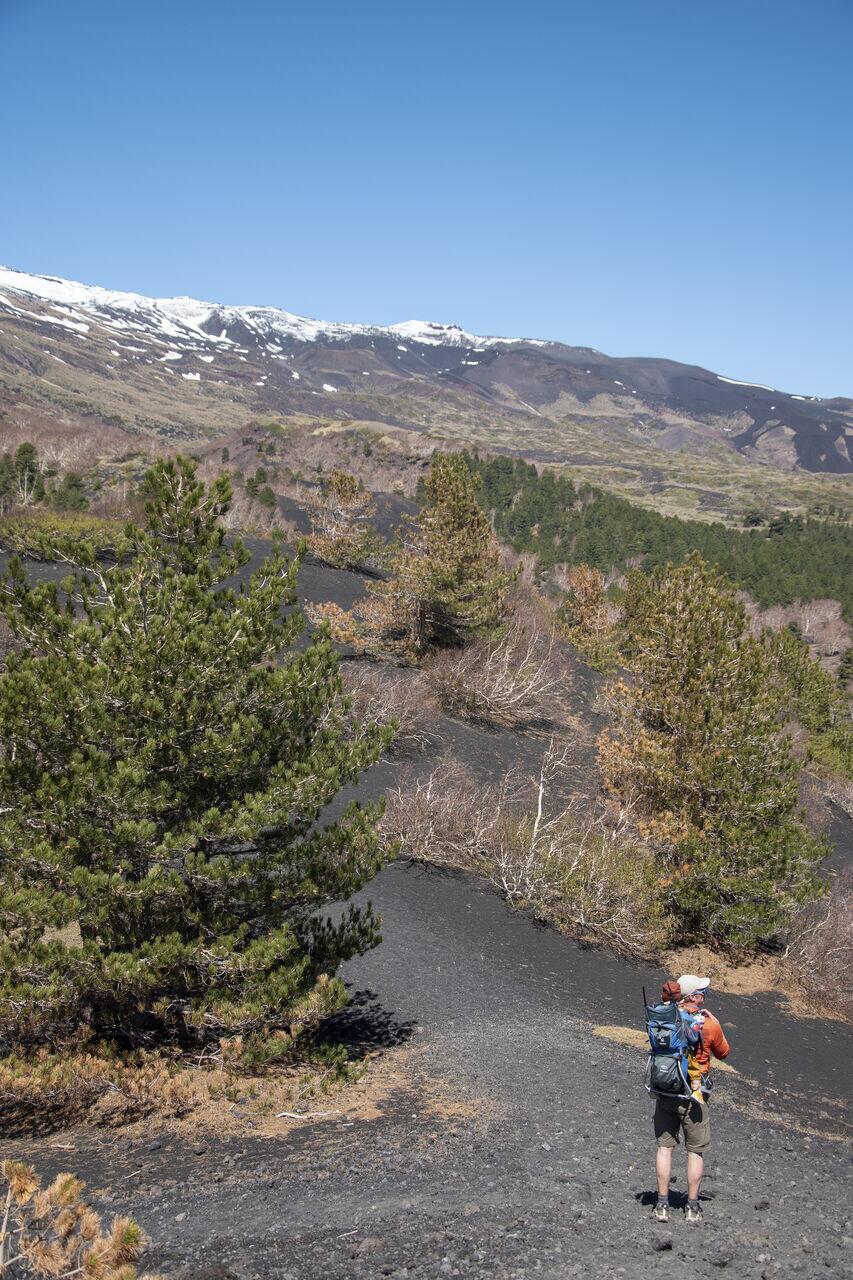
You could spend years walking on Etna and never scratch the surface.
Exploring Mount Etna
There are two main points of departure for a trip on Etna:
- Etna Sud (La Sapienza), from where you can either walk or take the cable car to 2,900m. Once there, it is a 2-4 hour round trip to the summit craters, although there is no need to go that far to get a good feel for the majesty of the mountain.
- Etna Nord (Piano Provenzana) from where you can walk or take a 4X4 bus up to the observatory at 2,400m. It is also possible to walk to the summit craters from there.
Skiing
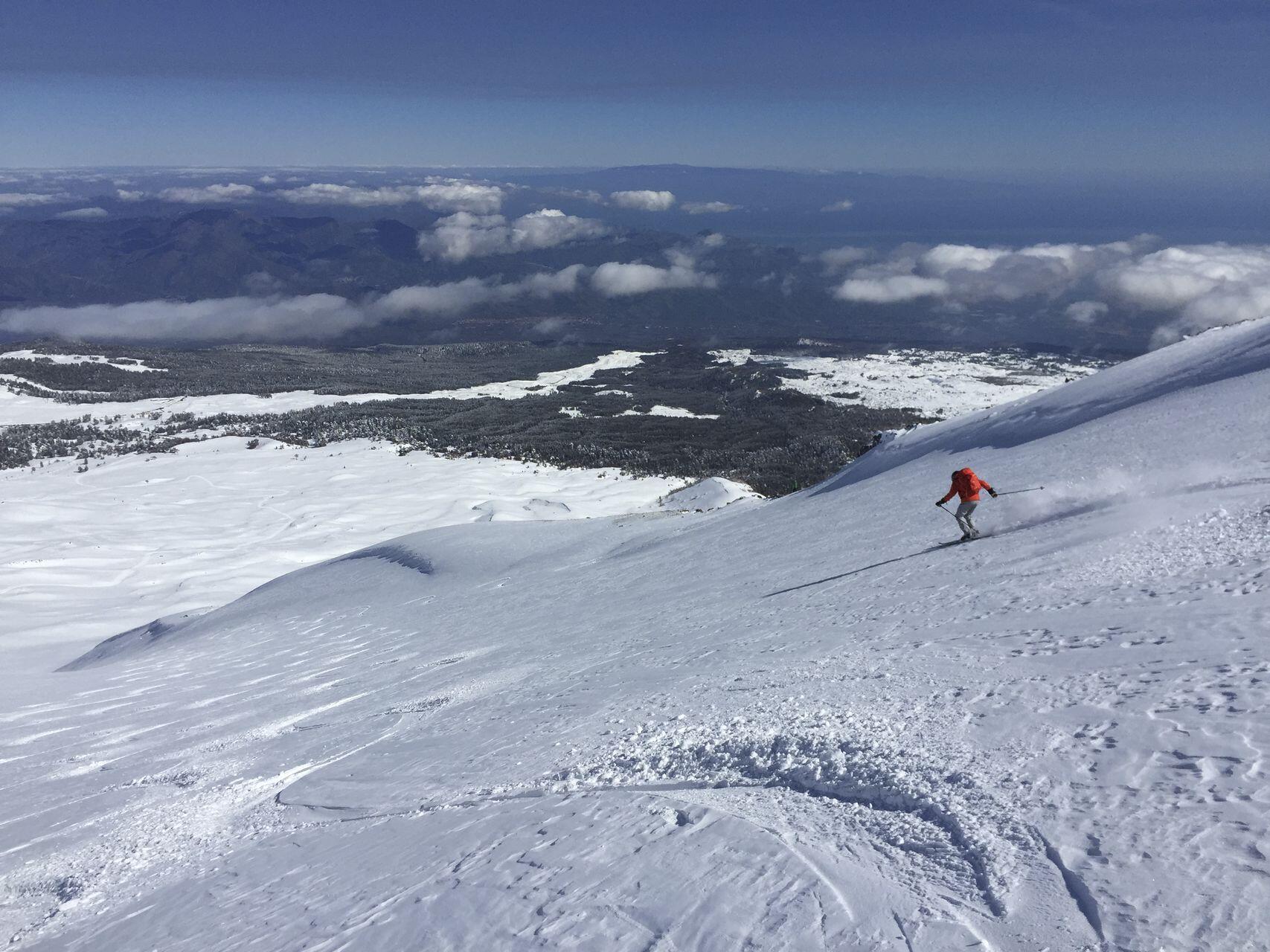
In the winter (from around the end of December to the end of March), you can ski from both Etna Sud and Etna Nord.
A word of caution
We would strongly discourage you from venturing to the main craters of Etna without a qualified guide. Apart from the volcanic conditions, you should remember that this is a very high mountain. The weather can change quickly, it is easy to become disoriented when the cloud comes down, and it can get very cold even in the height of summer. If you're planning on doing anything more than stepping out of the cable car to look at the view, you should be properly equipped with good boots, long trousers, a couple of warm outer layers, hat, gloves and a waterproof jacket. Make sure you take some water and food too.
For guests staying at our villas, we offer a series of Etna discovery experiences, which will put you in the safe hands of an expert.
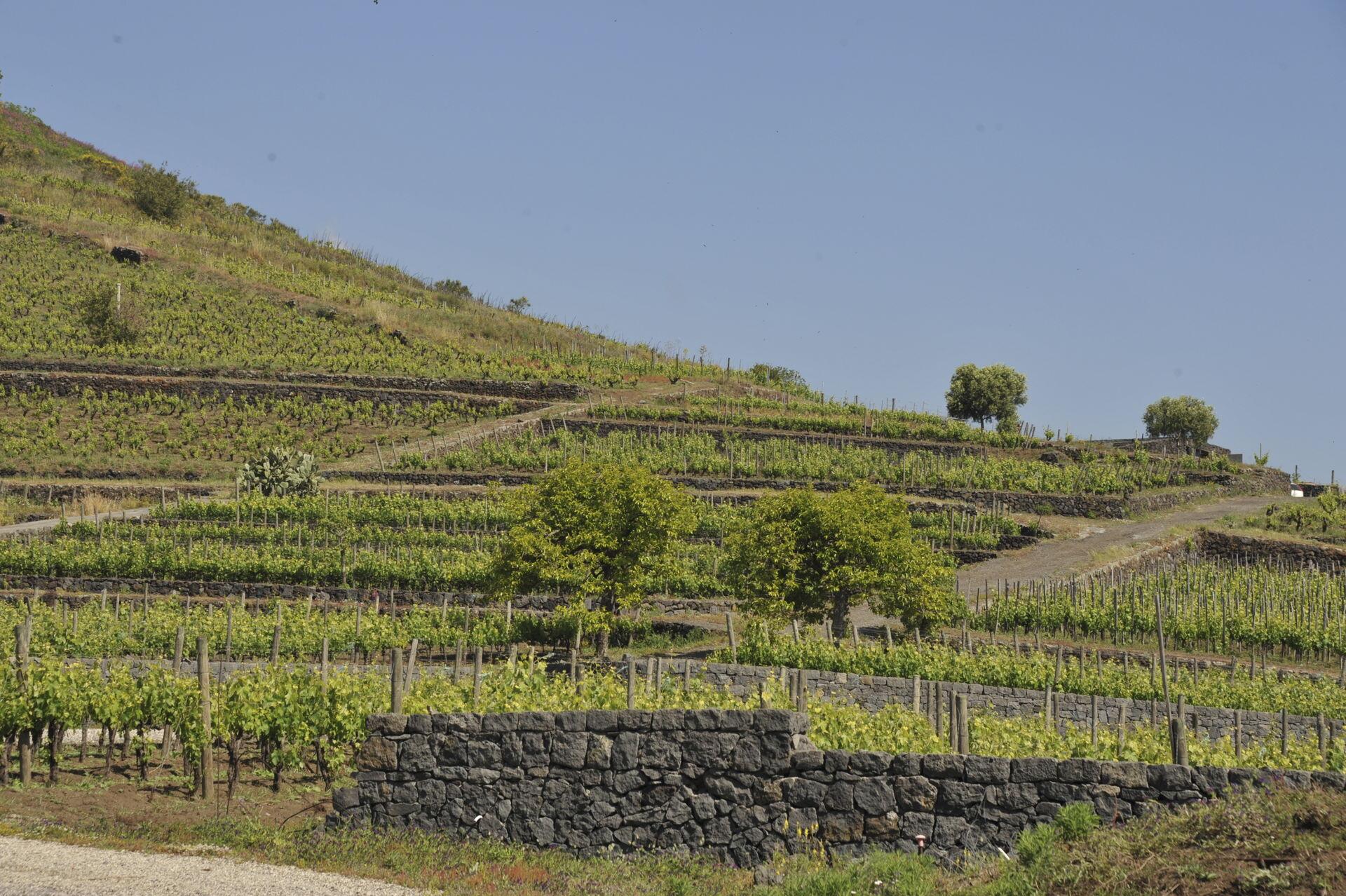
Terraced vineyards on Etna.
Wine on Mount Etna
The New Bourgogne: that is what wine buffs are calling Mount Etna. Bacchus’ tipple of choice has been made on Europe’s highest active volcano for millennia, but in the last two decades it has become world-class and received critical acclaim from across the globe.
Sicilian wineries rub shoulders with prestigious international winemakers and there is a distinct fizz in the air as producers team up to promote the area’s unique and fascinating terroir.
The distinctive organoleptic qualities of the wine made on Mount Etna derive from the mineral qualities of the lava soil, the altitude of the vineyards, and the volcano’s autochthonous grape varieties: white Carricante and red Nerello Mascalese and Nerello Cappuccio.
Clients of The Thinking Traveller wishing to indulge in a spot of Etnean oenological exploration (ie wine-tasting), can book one of our Etna Wine Experiences.
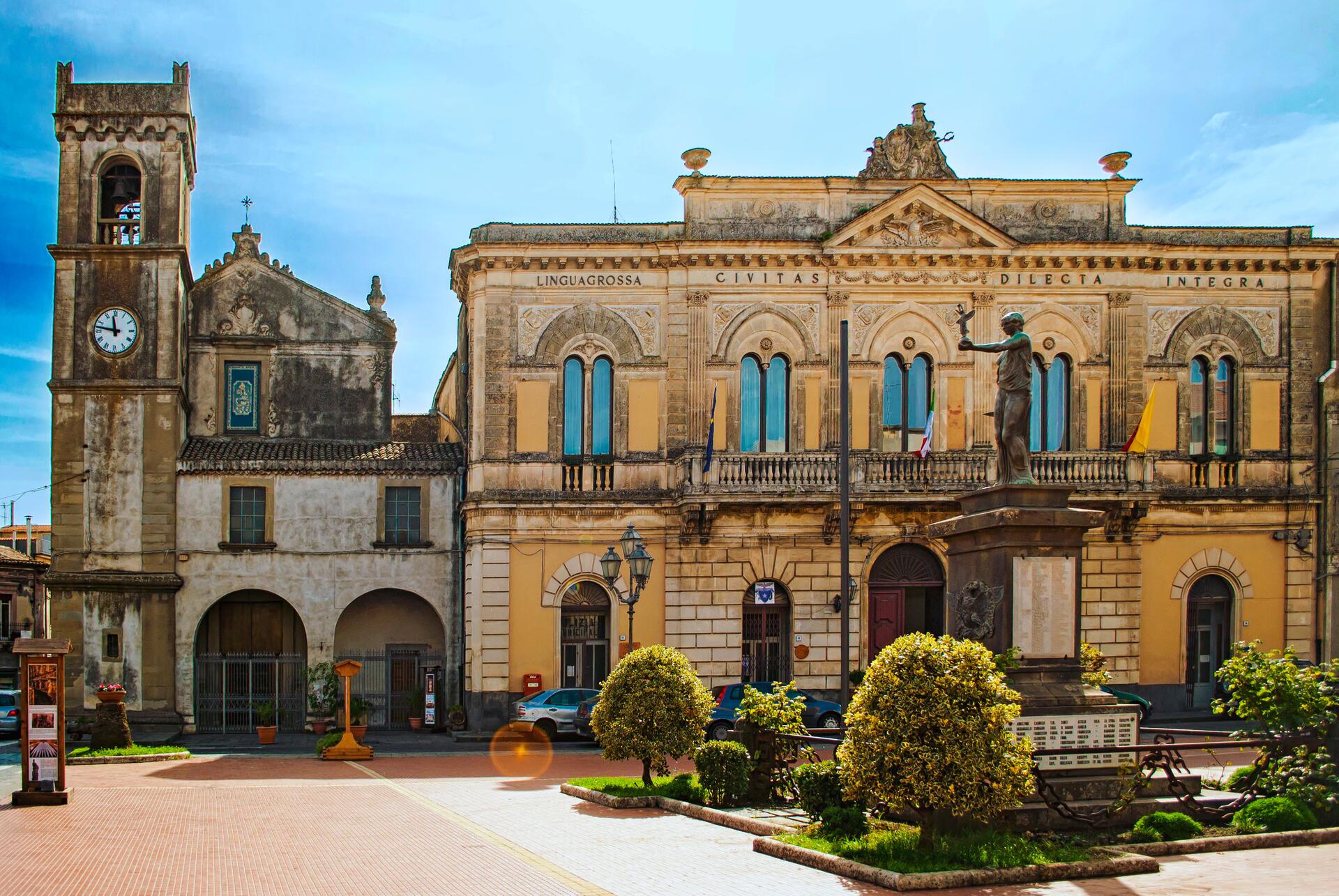
Linguaglossa, one of many attractive, authentic towns on Mount Etna.
Towns and villages
While ascending Etna, or at least exploring some of its numerous lower craters is warmly recommended, the mountain also boasts plenty of colourful, authentic towns and villages. Exploring their lava stone-flagged streets, admiring the pastel colours of their buildings, shopping in their street markets, and dining in their restaurants gives a fascinating insight into local culture and the residents' relationship with their unique environment, .
Some of our favourites include:
- the larger centres of Nicolosi and Trecastagni to the south;
- buzzing Zafferano Etnea and the pretty villages of Milo and Sant'Alfio in the east;
- historic Piedimonte Etneo, the wine-making, gastronomic centre of Linguaglossa, and the bustling market town of Randazzo in the north;
- Bronte (famed for its high-quality pistachios) and Adrano in the west
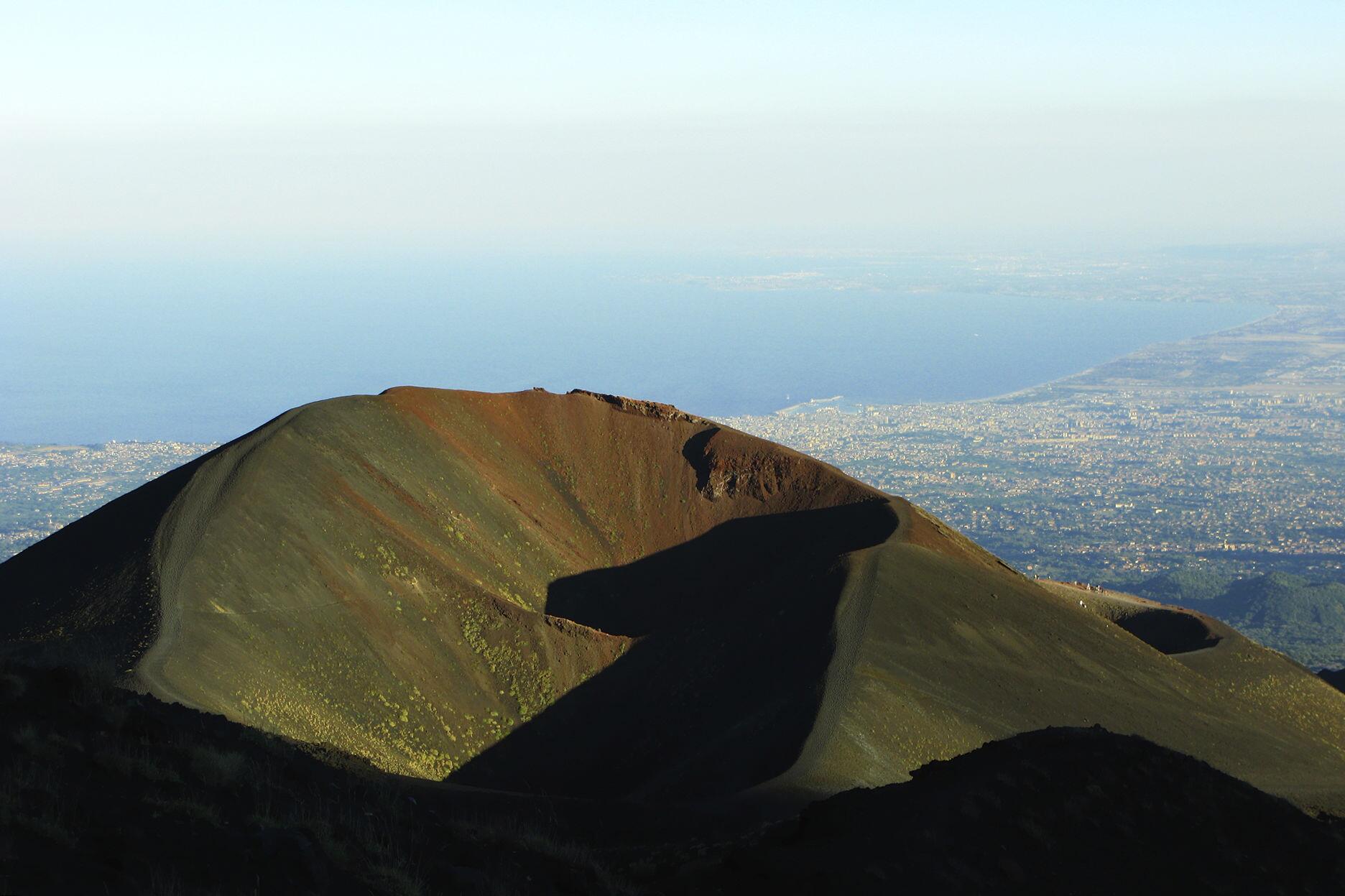
One of numerous craters on Etna, with Catania far down below.
Literary descriptions of Mount Etna
“We do not what we ought,
What we ought not, we do,
And lean upon the thought
That Chance will bring us through.”
Empedocles - about 430BC, before throwing himself into the crater to prove that the gases would support his body weight. Chance was unkind.
“The port capacious, and secure from wind,
Is to the foot of thund’ring Etna joined.
By turns a pitchy cloud she rolls on high:
By turns hot embers from her entrails fly,
And flakes of mounting flames, that lick the sky.
Oft from her bowels massy rocks are thrown,
And shivered by the force come piece-meal down.
Oft liquid lakes of burning sulphur flow,
Fed from the fiery springs that boil below.”
Virgil – about 20BC
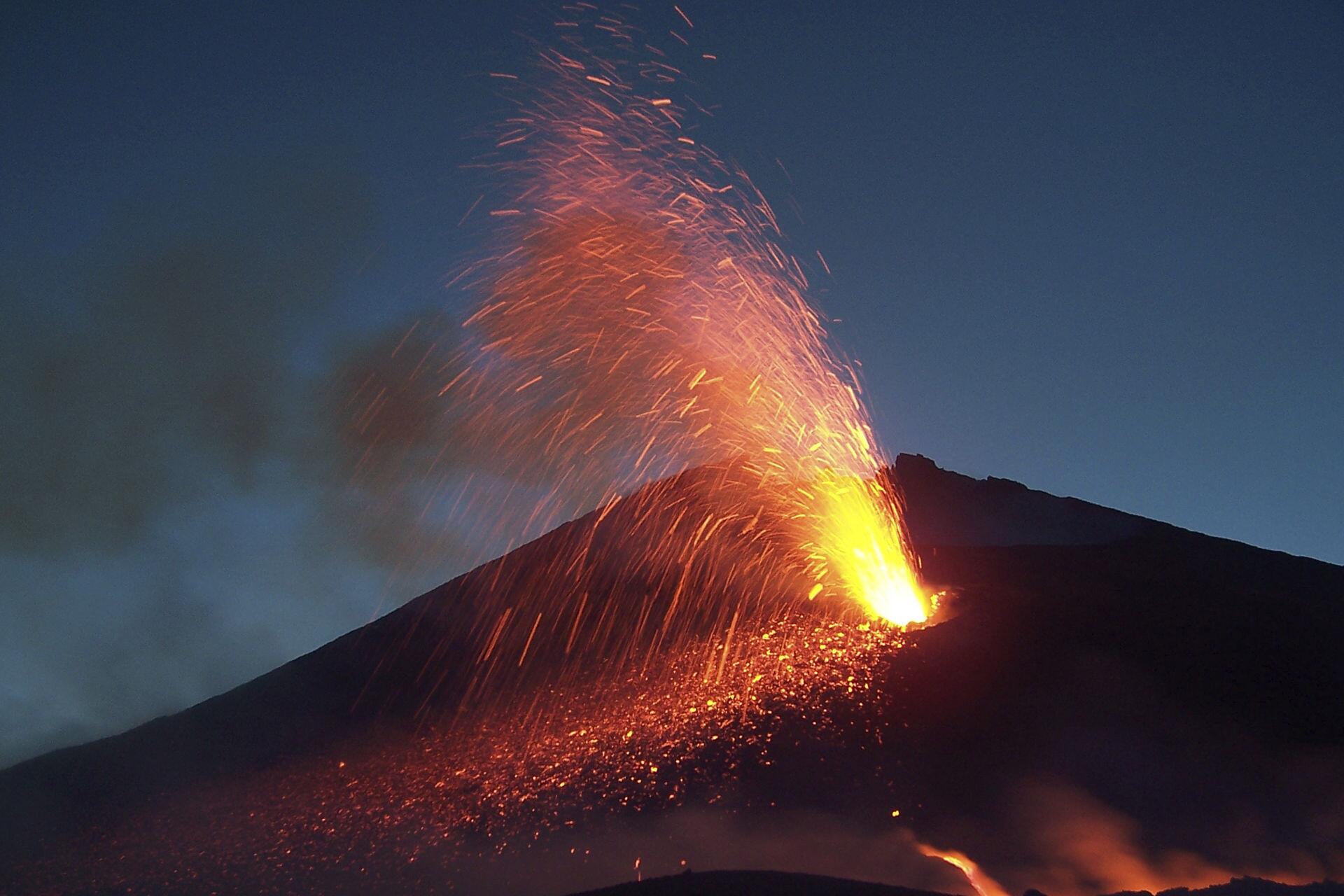
An incandescent eruption of molten lava.
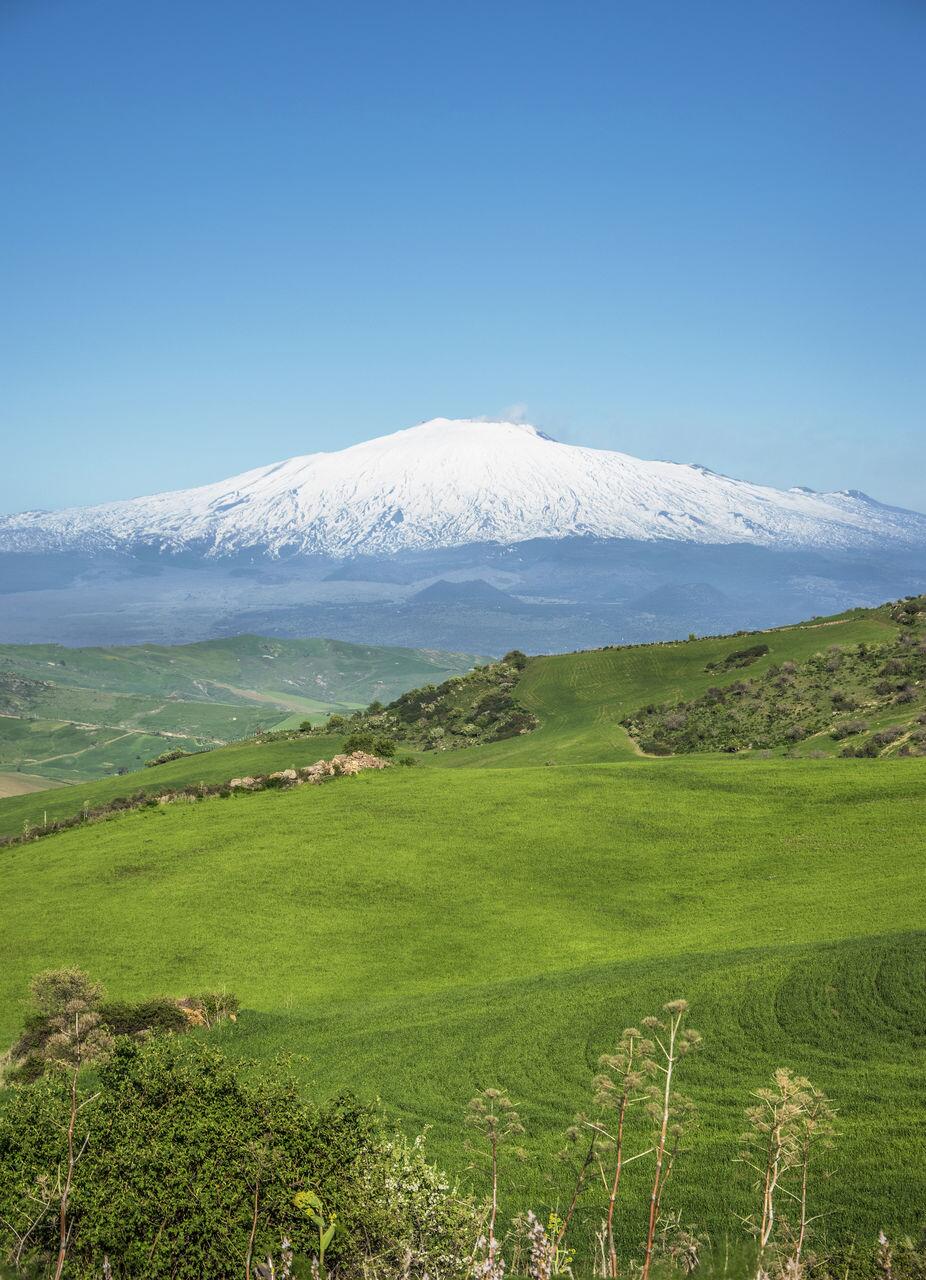
“I would jump down Etna for any public good - but I hate a mawkish popularity.”
John Keats - 1818
“...Etna, that wicked witch, resting her thick white snow under heaven, and slowly, slowly rolling her orange-coloured smoke. They called her the Pillar of Heaven, the Greeks. It seems wrong at first, for she trails up in a long, magical, flexible line from the sea’s edge to her blunt cone, and does not seem tall. She seems rather low, under heaven. But as one knows her better, oh, awe and wizardry.
Remote under heaven, aloof, so near, yet never with us. The painters try to paint her, and the photographers to photograph her, in vain. Because why? Because the near ridges, with their olives and white houses, these are with us. Because the river-bed, and Naxos under the lemon groves, Greek Naxos deep under dark-leaved, many-fruited lemon groves, Etna’s skirts and skirt-bottoms, these still are our world, our own world… If you would see her, you must slowly take off your eyes from the world and go a naked seer to the strange chamber of the empyrean. Pedestal of heaven!”
D.H. Lawrence - 1920-22